

How Much Does It Cost To Build A Wine Cellar
Understanding the Cost Range
Building a wine cellar involves structural work, insulation, climate control, and custom storage. Because each project differs in size and complexity, the cost varies widely. In general, a wine cellar can range from a simple small conversion to a fully customized walk-in room with premium finishes. The investment depends on space, materials, cooling capacity, and design requirements.
Typical Cost Ranges for Wine Cellars
Small Closet or Under-Stairs Conversion
These compact cellars require minimal structural changes and basic climate preparation.
Typical cost: 5,000–10,000 USD
Compact or Cabinet-Style Cellars
Ideal for kitchens or dining areas, offering moderate bottle storage with climate stability.
Typical cost: 10,000–20,000 USD
Medium-Size Home Wine Cellars
Designed for 100–500 bottles, these require proper insulation, a cooling unit, and custom shelving.
Typical cost: 15,000–60,000 USD
High-End or Designer Wine Cellars
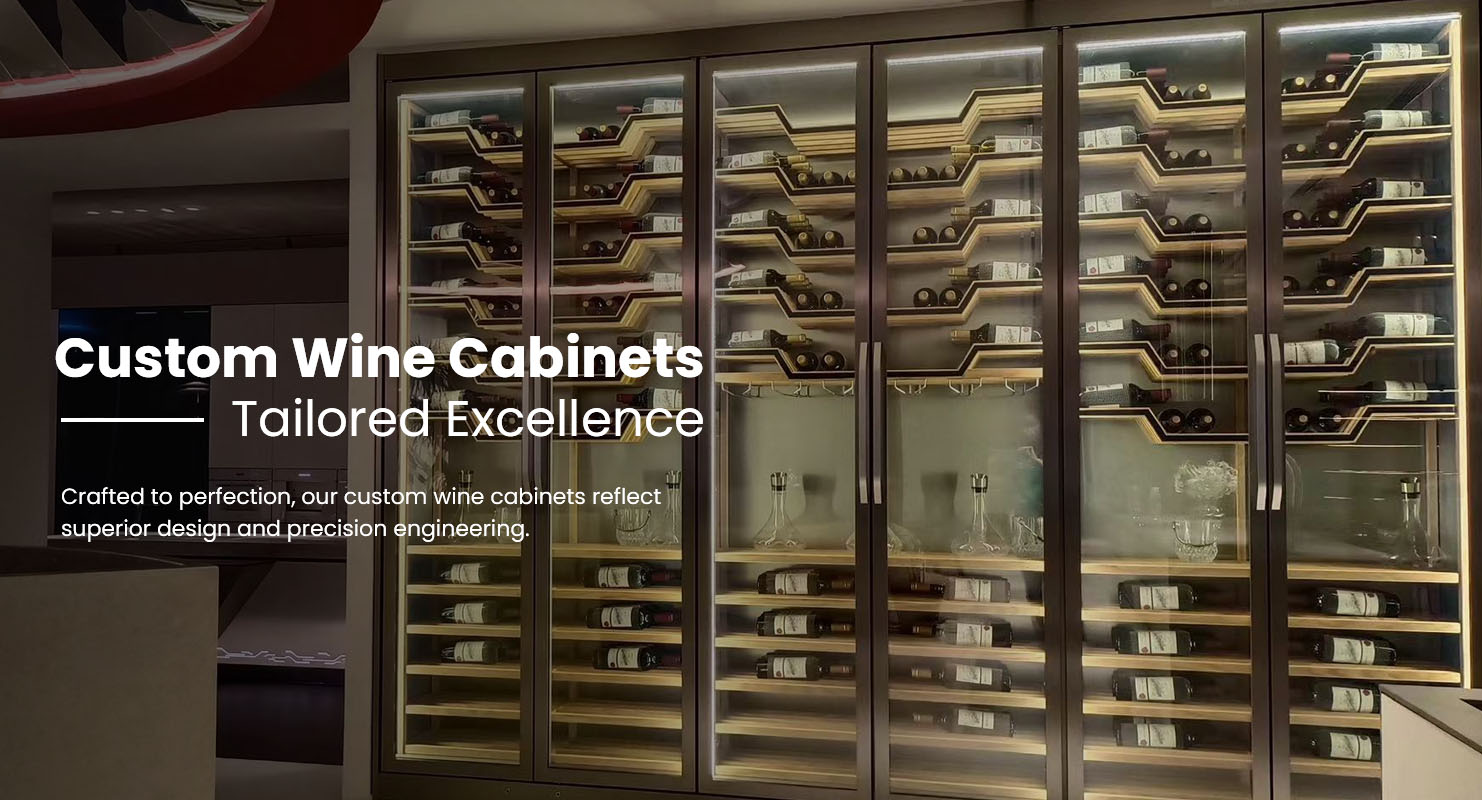
Includes glass enclosures, premium wood, architectural lighting, and multi-zone cooling.
Typical cost: 30,000–100,000 USD
Large Walk-In or Luxury Wine Rooms
For serious collectors or luxury homes, offering expansive storage and high-grade finishes.
Typical cost: 75,000–150,000 USD or more depending on scale
Key Factors That Influence Cost
Size and Storage Capacity
More bottles require more shelving, more cooling power, and more materials. Small spaces are more affordable, while large rooms significantly increase the cost.
Climate Control System
A stable environment requires a cooling unit designed for wine storage. Costs depend on:
Cooling strength
Installation style
Ventilation requirements
Humidity stability
Climate control is one of the most important and expensive components.
Insulation and Vapor Barrier
Proper insulation ensures the cellar retains temperature and humidity. Vapor barriers prevent moisture loss and protect surrounding walls. Poor insulation leads to cooling inefficiency and higher long-term costs.
Racking and Cabinetry Materials
Choices range from simple wood racks to custom woodwork, metal shelving, or display-style racks. Premium finishes and complex designs add to the investment.
Doors and Enclosures
Glass doors, insulated panels, and specialty finishes affect both aesthetics and thermal performance. Full-glass enclosures increase cost due to custom fabrication and the need for stronger cooling systems.
Flooring, Lighting, and Interior Finishes
Stone flooring, hardwood finishes, LED accent lighting, and decorative elements elevate design but increase the budget. Display lighting, custom niches, and tasting counters also add cost.
Labor and Construction Work
Professional installation, carpentry, electrical work, and insulation require skilled labor. Projects involving structural modifications, wall framing, or basement conversion add further cost.
What You Can Expect at Different Budget Levels
5,000–15,000 USD
Small space or basic cellar. Limited bottle capacity, simpler racks, minimal custom work. Good entry-level option.
15,000–40,000 USD
Well-built cellar with a dependable cooling unit, proper insulation, and quality shelves. Suitable for serious collectors.
40,000–100,000+ USD
Custom Cabinetry, premium materials, advanced climate control, and decorative finishes. Ideal for showcasing a large collection.
100,000+ USD
Luxury walk-in or underground wine rooms with architectural design, display lighting, and high storage capacity.
Additional Considerations
Space Preparation
Existing rooms may need moistureproofing, rewiring, reinforced flooring, or ceiling modifications. Preparation work often forms a significant portion of the overall cost.
Bottle Variety
If storing different bottle shapes or larger formats, the cellar may require specialized racks or adjustable shelves, affecting design complexity and price.
Installation Location
Basements usually cost less than above-ground rooms because they naturally support cooler temperatures, requiring less cooling power. Above-ground wine walls or glass displays may require stronger insulation and climate systems.
Conclusion
The cost to build a wine cellar depends on size, climate control needs, materials, and design preferences. Small conversions may cost as little as a few thousand dollars, while large, premium cellars may exceed six figures. A carefully planned wine cellar provides long-term preservation, efficient storage, and a significant lifestyle upgrade for collectors and homeowners.
Previous: What Is A Wine Cellar