
What Is A Wine Cellar
Understanding the Purpose of a wine cellar
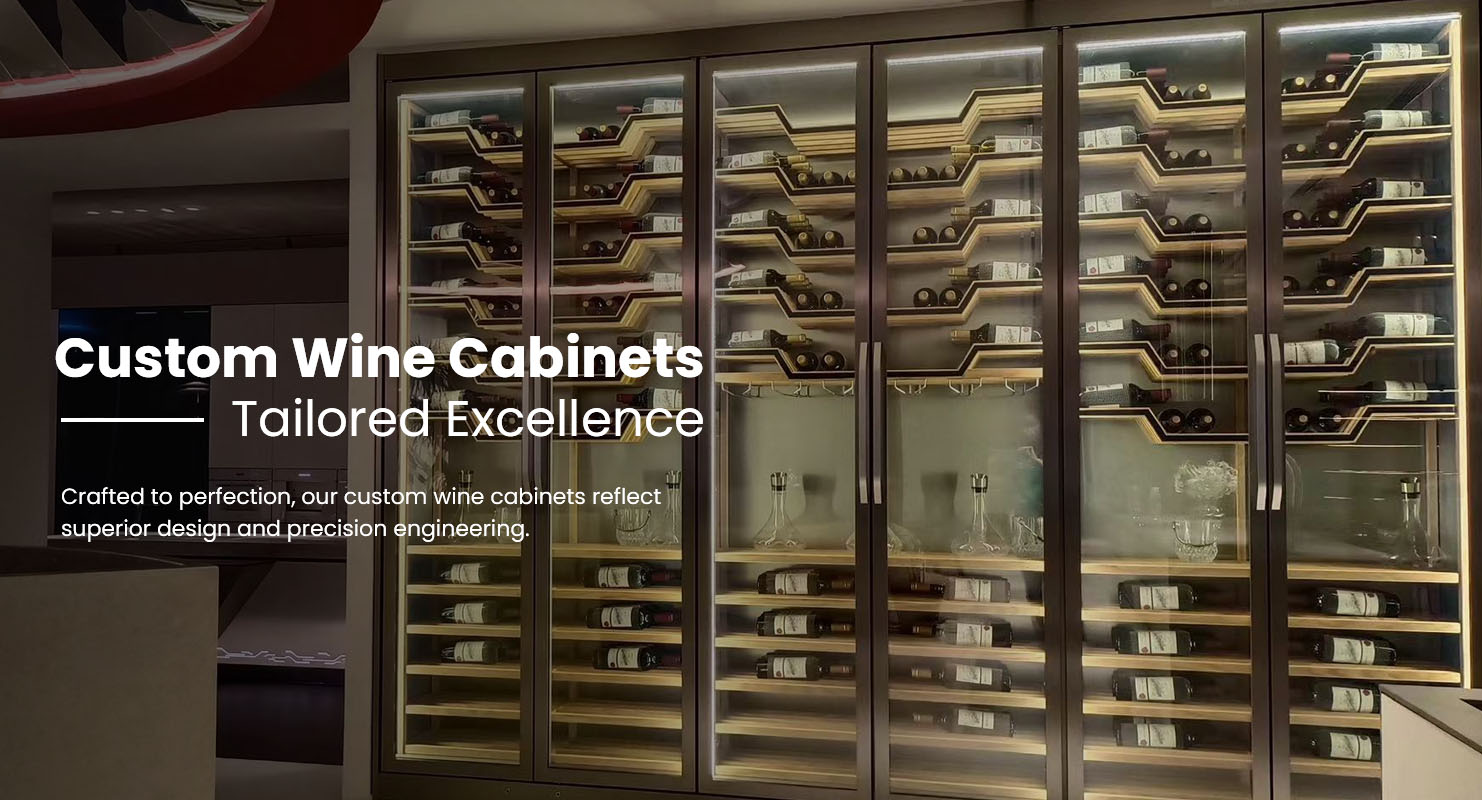
A wine cellar is a dedicated storage space designed to preserve wine under controlled temperature and humidity conditions. Its purpose is to protect wine from environmental fluctuations, allowing it to age properly and maintain its flavor, aroma, and structural integrity. A wine cellar can be a small converted space, a built-in cabinet, or a full walk-in room designed for long-term storage and display.
Key Functions of a Wine Cellar
Temperature Stability
Wine ages best in a cool and consistent environment. A wine cellar maintains temperatures typically between 12–18°C. This prevents rapid aging, flavor loss, and spoilage. Stable temperature is essential for maintaining wine quality over months or years.
Humidity Control
Proper humidity, generally between 50–70 percent, keeps corks from drying out or becoming moldy. Balanced humidity protects the wine’s seal and prevents oxidation. Without humidity control, wine can deteriorate even if temperature is stable.
Protection From Light
Wine is sensitive to light exposure, especially ultraviolet light. A wine cellar uses solid walls, insulated doors, or UV-protected glass to shield bottles and preserve their natural characteristics.
Vibration Reduction
Vibration disturbs the sediment and aging process. A wine cellar provides a calm, vibration-free environment that supports gradual and consistent aging.
Organized Storage
Wine cellars use racks, shelves, and display systems to store bottles horizontally. This keeps corks moist and allows efficient organization by type, region, or vintage.
Types of Wine Cellars
Passive Wine Cellar
A passive cellar uses natural environmental conditions rather than mechanical cooling. These are typically located underground, where temperatures remain stable due to soil insulation. Passive cellars require the right location and structural design.
Active Wine Cellar
An active cellar uses climate-control equipment to regulate temperature and humidity. Most modern residential and commercial wine cellars fall into this category. Active systems are necessary when the surrounding environment cannot naturally provide ideal conditions.
Built-In Wine Cabinet
A compact version of a cellar, built into kitchen or bar cabinetry. It uses cooling units to maintain wine at optimal temperature and humidity levels. Ideal for modern homes with limited space.
Walk-In Wine Room
A larger, fully customized space designed for extensive collections. Walk-in rooms combine advanced climate systems with decorative elements such as lighting, glass walls, and tasting areas.
Why Wine Needs a Dedicated Storage Environment
Prevents Premature Aging
Wine exposed to fluctuating heat will age too quickly and lose its intended character. A cellar maintains conditions that support long-term maturation.
Protects Cork Integrity
Corks dry out when humidity is too low, allowing air into the bottle. Proper humidity prevents shrinkage and leakage.
Maintains Flavor and Aroma
A stable environment protects the delicate balance of tannins, acids, and aromatic compounds. Without proper storage, wine can lose its complexity.
Supports Valuable Collections
Collectors require dependable conditions to protect rare or long-aged bottles. A cellar safeguards investments and ensures wines remain in peak condition.
Where Wine Cellars Are Used
Residential Homes
Homeowners install wine cellars in basements, kitchens, dining rooms, or entertainment areas to store and display personal collections.
Restaurants and Hospitality
Restaurants, hotels, and bars use wine cellars for both storage and presentation. Maintaining optimal conditions ensures wine is served at its best.
Retail and Commercial Spaces
Wine shops and tasting rooms rely on temperature-stable storage to keep inventory fresh and appealing to customers.
Components of a Proper Wine Cellar
Insulation and Vapor Barrier
These elements stabilize the internal climate and prevent temperature and moisture escape.
Climate Control System
Cooling units regulate temperature and humidity, ensuring consistency year-round.
Racking and Shelving
Racks keep bottles organized and accessible while supporting horizontal storage.
Door and Enclosure
Sealed, insulated doors or glass panels maintain climate stability and add visual appeal.
Lighting
Low-heat, soft lighting enhances presentation without damaging the wine.
Conclusion
A wine cellar is a purpose-built storage environment designed to safeguard wine by maintaining stable conditions. Whether it is a small cabinet or a large walk-in room, a wine cellar provides temperature control, humidity balance, light protection, and organized storage. These features allow wine to age as intended and ensure the collection remains in exceptional condition for long-term enjoyment.