

How To Build A Wine Cellar In A Closet
Understanding the Purpose of a Closet wine cellar
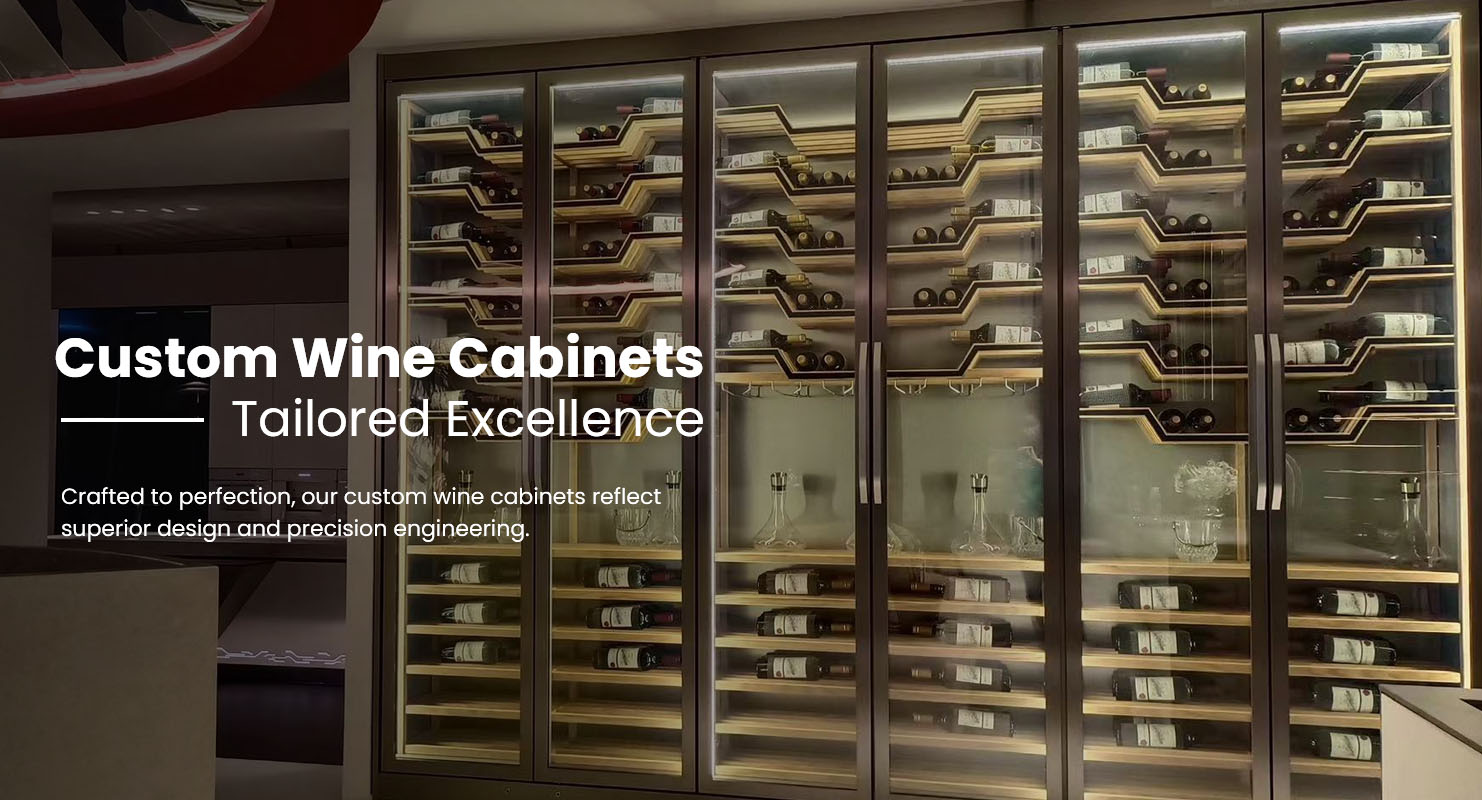
Transforming a closet into a wine cellar is an effective way to create climate-controlled storage in a compact area. This approach uses existing structural space, reduces renovation complexity, and offers a practical solution for homeowners who want professional wine storage without dedicating an entire room. A Closet Wine Cellar must still meet essential requirements for temperature control, humidity stability, and proper insulation.
Step 1: Evaluate the Closet Space
Measure the Dimensions
Record the width, depth, and height of the closet. Storage capacity and cooling layout depend on these measurements. Closets with more depth or height allow for double-depth racks or stacked shelving.
Inspect Ventilation and Access
A closet converted into a cellar requires proper ventilation for the cooling unit. Confirm whether the closet backs to an adjoining room or exterior wall, as this affects cooling system selection.
Check for Moisture Risks
Ensure the space has no existing moisture issues. Any signs of mold, leaks, or poor air movement must be addressed before construction.
Step 2: Add Proper Insulation and Vapor Barriers
Insulate Walls, Ceiling, and Floor
Closet interiors must be insulated to stabilize temperature. Foam board or batt insulation helps maintain the desired climate inside the cellar.
Install a Vapor Barrier
A vapor barrier prevents moisture from escaping or entering the cellar. It should be placed on the warm side of the insulation, ensuring long-term climate accuracy.
Seal All Gaps
Use sealants around electrical outlets, corners, and joints. Proper sealing prevents climate fluctuations.
Step 3: Choose an Appropriate Cooling System
Match Cooling Capacity to Closet Volume
Cooling units must be sized for the closet’s volume. Undersized units struggle to maintain temperature, while oversized units cycle too frequently.
Select Cooling Unit Type
Closet Wine Cellars commonly use:
Through-wall cooling systems
Split cooling systems
Ducted systems for concealed installation
The choice depends on ventilation location and noise considerations.
Provide Adequate Ventilation
Cooling units require warm-air exhaust space. Ensure adjoining rooms can handle the heat load or use ducting to direct it away.
Step 4: Build the Interior Structure
Add Wall Finishes
Moisture-resistant wall coverings, wood paneling, or decorative cladding can be installed once insulation is complete.
Install Racking and Shelving
Choose racks that fit the closet dimensions:
Single-depth racks
Double-depth racks
Display shelves
Pull-out drawers
Customizable racks help maximize bottle capacity in limited space.
Consider Bottle Variety
Allow additional room for large-format bottles or champagne. Adjustable racks offer flexibility for future collection expansion.
Step 5: Install a Sealed, Insulated Door
Replace Hollow Doors
Closet doors must be solid and insulated to maintain climate stability.
Add Weather Stripping
Proper sealing around the door prevents air leakage and temperature drift.
Choose Door Style
Options include solid wood, insulated glass, or panel doors that match the home’s design.
Step 6: Add Lighting and Electrical Upgrades
Use Low-Heat Lighting
LED lighting is the preferred choice for wine cellars because it emits minimal heat and provides clear visibility.
Install Switches Outside the Closet
This prevents warm air from entering when lights are turned on and reduces unnecessary heat exposure.
Upgrade Electrical Outlets
Ensure power supply is adequate for the cooling unit and any added lighting or controls.
Step 7: Finish the Closet for Optimal Storage
Monitor Climate Performance
Test the cooling unit for stable temperature and humidity. Allow the cellar to run for several days before loading bottles.
Add Organization Features
Include labels, inventory tags, or a small management system to track bottle placement and aging cycles.
Keep the Space Clean
Avoid storing items other than wine. Extra items can restrict airflow and introduce unwanted odors.
Step 8: Load the Wine Gradually
Avoid Temperature Shock
Place bottles in the cellar gradually to allow the cooling system to adapt without abrupt temperature fluctuations.
Organize by Category
Arrange bottles by type, region, or vintage for efficient access and proper collection management.
Conclusion
Building a wine cellar in a closet is an efficient way to create a compact, professional-grade storage environment. With proper insulation, climate control, racking design, and sealed construction, a standard closet can be transformed into a fully functional wine cellar that maintains temperature stability and preserves wine quality. It is a practical option for homeowners who want long-term storage without dedicating large amounts of space.