
How To Create A Wine Cellar in A Non-Traditional Space
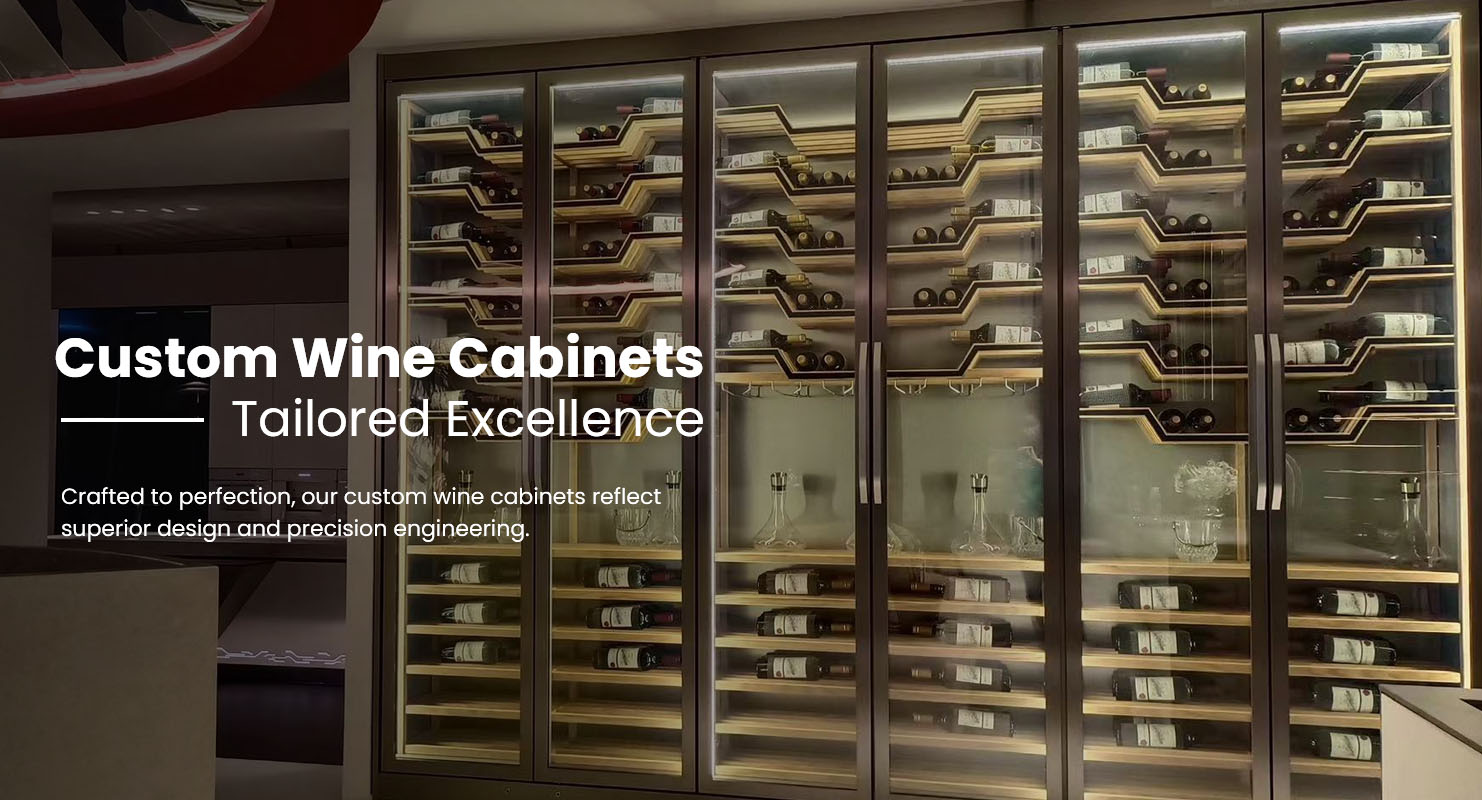
A true wine cellar is defined by environmental control, not by having a dedicated basement room. Non-traditional spaces such as a pantry, closet, under-stair void, corridor niche, spare laundry area, or a section of an open-plan living space can become reliable wine storage when you design around four constraints: temperature stability, humidity balance, light protection, and vibration control. WINTON manufactures Wine Coolers and custom wine cabinets with engineering features such as integrated foaming insulation, back-mounted evaporator with air-cooling circulation, and constant-humidity design concepts that help achieve stable conditions in compact or irregular spaces.
1) Choose the Right Non-Traditional Space
A non-traditional cellar space should be selected by “risk reduction” first, aesthetics second.
Best candidates
Under-stair storage: naturally shaded, often centrally located, easy to hide equipment and ducting
Interior closet: fewer exterior temperature swings, simpler vapor barrier detailing
Pantry corner: convenient access, can be integrated into cabinetry with a built-in wine cooler
Unused corridor recess: works well with a shallow-depth, front-venting built-in unit
Spaces to avoid
Next to ovens, dishwashers, or boiler rooms
Direct sun exposure areas
Garages without climate stability unless your design includes true insulation + controlled cooling
WINTON’s built-in and freestanding product range covers common “cabinet-integration” paths where a full room build-out is not feasible.
2) Define Your Target Storage Conditions
For most collections, your design target should be stable rather than extreme.
Reference ranges commonly engineered into wine cabinet systems
Wine storage temperature control commonly spans 5°C–18°C in single-zone solutions
Dual-zone designs may separate zones and include humidity guidance such as 60%–80% RH to protect corks and labels
Non-traditional spaces fail most often because they “cycle” too hard: frequent temperature swings, dry air, and poor sealing. Your build should reduce cycling first through insulation and airtightness, then let the cooling system do fine control.
3) Build the Envelope: Insulation, Vapor Barrier, Sealing
If you are converting a closet or under-stair void, the envelope is your foundation.
Key build principles
Use a continuous insulation layer and avoid thermal bridges
Add a vapor barrier on the warm side where required by local practice
Seal all penetrations and corners; uncontrolled air leakage defeats humidity control
Use a solid door with perimeter gaskets; glass doors must be insulated and well-sealed
Wine cabinet engineering often relies on integrated foaming insulation for consistent thermal performance, which is the same principle you should replicate in a room-scale conversion.
4) Select the Right Cooling and Cabinet Format
Non-traditional spaces typically benefit from built-in solutions because they minimize construction and keep the design clean.
Built-in wine cooler (fastest route)
Choose this when you want predictable results with minimal construction. Typical specs you can map to project requirements include:
Wide electrical compatibility such as 110V–250V for multi-market projects
Low operating power options, with examples around 85W in compact under-counter designs
Low-noise targets such as ≤42 dB for residential and hospitality quiet zones
Custom Cabinet or full “micro-cellar”
Choose this when the space is irregular, you need matched millwork, or you have a larger bottle count plan. WINTON positions itself as both a wine cooler manufacturer and a custom cabinet solution provider, with R&D and production focus on high-end wine cabinets.
5) Materials That Matter in Tight Spaces
In non-traditional spaces, material choices impact odor, corrosion, safety, and long-term stability.
Common material standards and selection logic
304 stainless steel for surfaces that need corrosion resistance and easy cleaning
Double-layer tempered hollow glass doors for insulation and safety in visible installations
UV protection and sealing performance can be specified with measurable targets such as ≥99% UV protection, <1% seal leakage rate, and hardware durability like ≥30,000 hinge cycles for front-of-house or high-use settings
6) Ventilation, Heat Rejection, and Layout Rules
Most “non-traditional” builds fail because heat cannot leave the space.
Layout checklist
Confirm whether the unit is front-venting for built-in applications
Maintain the minimum air path required for intake and exhaust
Avoid dead-end cavities that trap condenser heat
Keep the door swing clear and plan shelf pull-out clearance
If you are deploying multiple units in a hospitality corridor niche or a multi-apartment model room concept, heat rejection planning becomes a bulk-supply risk item, not just a design preference.
7) OEM/ODM Path for Non-Traditional Space Projects
If you’re building a repeatable cellar concept for property developers, hospitality groups, or retail display programs, OEM/ODM makes sense when you need consistency across projects.
Typical OEM/ODM scope
Cabinet dimensions, toe-kick and ventilation geometry
Single-zone vs dual-zone configuration
Door glass specification and handle finish
Shelf structure, label-view angle, lighting, and lock options
Packaging protection design for project delivery
WINTON’s product portfolio includes wine coolers, Cigar Cabinets, and custom cabinets, supporting the foundation for standardized project SKUs and tailored build-ins.
8) Bulk Supply Considerations
Non-traditional space deployments often involve multi-unit rollouts. Your bulk plan should control variation and reduce installation surprises.
Bulk supply checklist
Electrical versions: 110–120V/60Hz and 220–240V/50Hz options for different markets
Operating environment requirement, such as 5–32°C ambient guidance, to prevent misuse claims
Power range planning (examples show 85–120W in certain lines) to manage energy modeling and circuit allocation
Refrigerant compliance: solutions using R600a with documented charge values like 20 g in compact units can support environmental positioning and shipping documentation
9) Manufacturing Process Overview
When your wine cellar is inside a non-traditional space, reliability is tightly tied to manufacturing consistency.
WINTON highlights factory capabilities and production equipment covering fabrication and assembly needs, including shearing, bending, grooving, foaming, welding, and testing equipment—the practical backbone of consistent cabinet build quality.
10) Quality Control Checkpoints
For project sourcing, do not accept “spec sheet only.” Require measurable QC checkpoints.
Recommended QC gates
Temperature stability verification under door-open events
Humidity behavior validation (especially for dual-zone or constant-humidity positioning)
Door seal integrity checks, with leak-rate targets when applicable
Noise validation for residential/hospitality quiet areas (targets like ≤42 dB)
Lighting and glass performance confirmation where display is part of the project brief
11) Export Market Compliance
Non-traditional space cellar projects are often shipped as part of broader fit-out packages, so compliance documentation must be ready.
WINTON product pages reference certification coverage such as CE, CB, and RoHS, and in some lines also list ETL, ERP, and DOE, supporting different market access needs depending on your destination requirements.
Practical Takeaway
A non-traditional wine cellar becomes reliable when you engineer the space like a controlled cabinet: airtight envelope, strong insulation, managed heat rejection, and a correctly matched cooling format. For repeatable project deployment, working directly with a manufacturer that can support OEM/ODM specification control, bulk consistency, process transparency, QC checkpoints, and export compliance documentation is the most dependable route.