
Maintaining the correct temperature inside a wine cellar is essential for preserving the quality, aroma, and aging potential of wine. Excess heat can accelerate chemical reactions in wine, leading to premature aging and flavor imbalance. Whether the wine cellar is located in a traditional basement or a modern built-in cabinet space, controlling the cooling environment is the most critical factor in long-term wine storage.
Professional wine storage systems are designed to maintain stable temperature conditions while protecting bottles from sudden environmental changes. Manufacturers specializing in wine cabinets and wine cellar systems focus on refrigeration technology, insulation materials, and airflow design to achieve this stability.
Why Temperature Control Is Critical For Wine Storage
Wine is highly sensitive to temperature fluctuations. Most wine experts recommend storing wine between 10°C and 15°C (50°F–59°F) to preserve its aging characteristics and prevent oxidation. Temperatures above 20°C (68°F) can accelerate aging, while rapid temperature swings may damage cork seals and alter wine structure.
A well-designed wine cellar must therefore maintain consistent cooling conditions. This is achieved through a combination of insulation structure, controlled refrigeration systems, and internal air circulation. Without proper cooling control, even a visually appealing wine room cannot protect wine effectively.
Choosing The Right Cooling Method For A Wine Cellar
Different wine cellar installations require different cooling solutions. The appropriate method depends on cellar size, installation environment, and storage capacity.
Wine Cellar Cooling Units
Dedicated wine cellar cooling units are commonly used in walk-in wine rooms. These systems regulate temperature through compressor-based refrigeration and circulate cooled air throughout the storage space. Proper installation also requires insulated walls and vapor barriers to prevent heat intrusion.
These systems are suitable for large wine collections, hospitality environments, or residential wine rooms where consistent climate control is necessary.
Wine Cabinets With Integrated Cooling
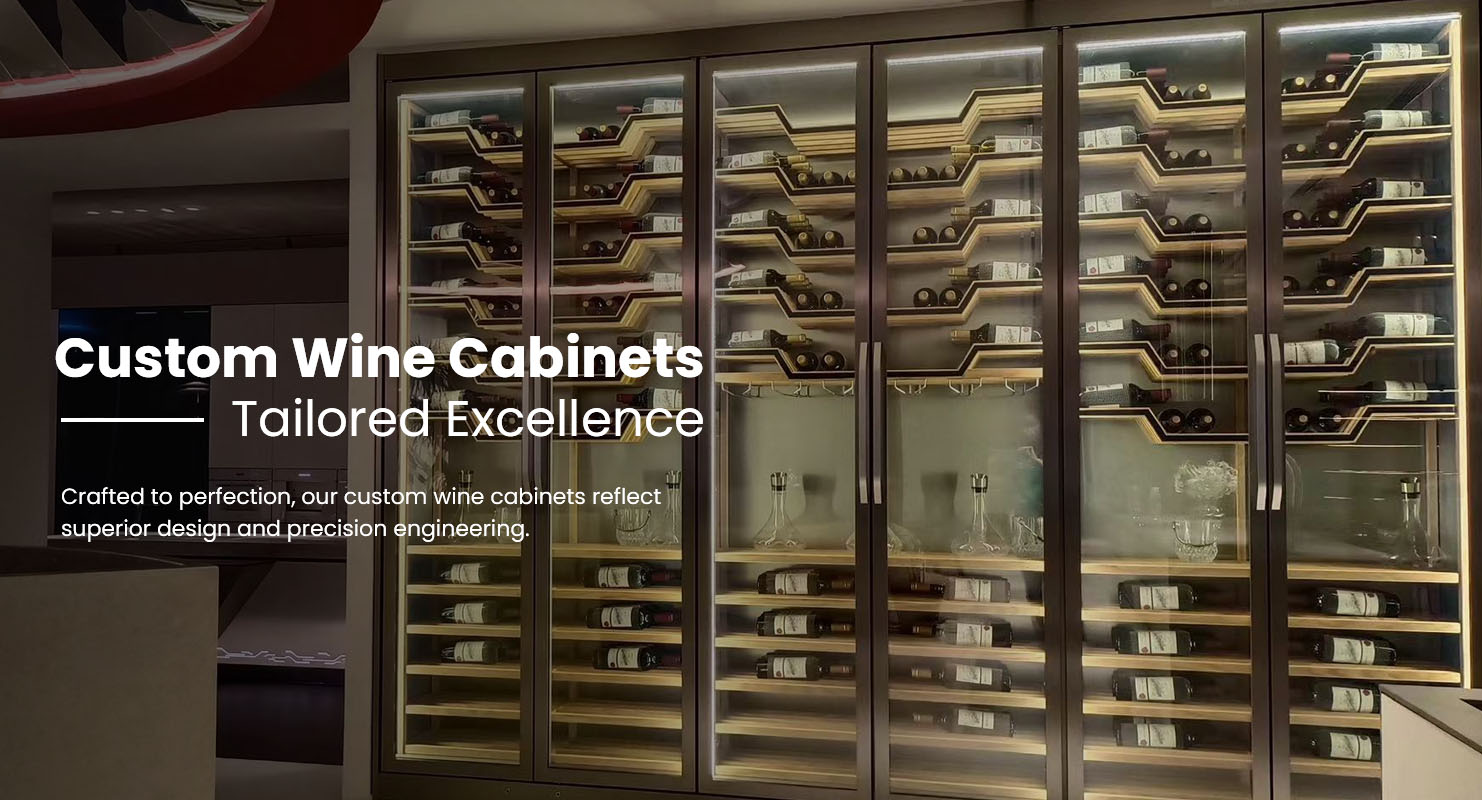
For smaller installations or non-traditional cellar spaces, wine cabinets with integrated refrigeration systems provide a practical solution. Instead of cooling an entire room, the cabinet itself creates a controlled storage environment.
Manufacturers such as WINTON design wine cabinets with compressor cooling systems, insulated foaming structures, and airflow circulation technology. This allows stable temperature management even when the cabinet is placed in living areas, restaurants, or built-in furniture installations.
Importance Of Insulation In Cooling Performance
Cooling efficiency depends heavily on insulation quality. A poorly insulated wine cellar will constantly lose cold air and force the refrigeration system to work harder.
Integrated foaming insulation is commonly used in high-quality wine cabinets and cellar panels. This process fills the cabinet structure with insulating material that reduces heat transfer from the surrounding environment.
Good insulation provides several benefits:
Stable internal temperature
Lower compressor workload
Reduced energy consumption
Improved long-term storage conditions
Manufacturers with dedicated foaming equipment can produce cabinets with stronger thermal stability, which is particularly important for installations in kitchens, living rooms, or commercial areas.
Air Circulation And Temperature Uniformity
Cooling a wine cellar is not only about reaching the correct temperature but also about maintaining even temperature distribution throughout the storage space.
Advanced wine cabinet systems use internal fans and evaporator structures to circulate cool air evenly across shelves. This prevents temperature differences between the upper and lower sections of the cabinet.
Some systems also support humidity balance by controlling airflow when the compressor stops running. Maintaining balanced humidity protects cork integrity and prevents bottles from drying out.
Materials That Support Effective Cooling
Material selection also influences cooling performance. Premium wine cabinets typically use:
304 stainless steel structures for durability and heat resistance
Double-layer insulated glass doors to reduce heat penetration
Copper evaporator components for efficient heat exchange
Flame-resistant PVC components for structural safety
These materials help improve insulation, maintain cooling efficiency, and ensure the cabinet structure remains stable during long-term operation.
Manufacturers that control these material standards can produce wine storage systems capable of maintaining stable storage environments.
Quality Control In Wine Cooling Systems
Reliable wine cellar cooling requires strict manufacturing inspection procedures. Key quality checkpoints include:
Refrigeration system performance testing
Insulation integrity verification
Door sealing inspection
Airflow circulation testing
Temperature stability evaluation
Manufacturers equipped with testing equipment can simulate real operating conditions before products leave the factory, ensuring stable performance after installation.
Bulk Supply And commercial wine storage Projects
Cooling solutions are not only required for residential wine collectors. Restaurants, hotels, bars, and property developers often require multiple wine storage units for large-scale installations.
Bulk buyers should evaluate several factors when sourcing wine cooling systems:
Production capacity
Consistency across multiple units
Refrigeration system reliability
Packaging protection for export transportation
Long-term supply stability
Working directly with a manufacturer simplifies large orders and allows projects to maintain consistent technical specifications.
Export Market Considerations
Wine storage equipment sold internationally must meet electrical and material requirements in the destination market. This includes correct voltage configurations, safe materials, and secure packaging for global transportation.
Manufacturers serving overseas markets design wine cabinets with export compatibility in mind, ensuring that refrigeration systems and materials meet international standards.
Conclusion
Cooling a wine cellar requires more than simply lowering the temperature of a room. Effective wine storage depends on a combination of refrigeration technology, insulation design, air circulation, and high-quality materials.
Wine cabinets and custom cellar systems developed by specialized manufacturers provide stable temperature environments that protect wine collections over long periods. Companies such as WINTON focus on producing wine cabinets and customized wine storage solutions that integrate cooling systems, insulation structures, and durable materials for reliable wine preservation.
With the right cooling system and proper design, even small or unconventional spaces can become stable wine storage environments suitable for both residential and commercial projects.