
How To Create A Temperature Controlled Wine Cellar
A temperature controlled wine cellar protects wine from heat, light, and environmental fluctuations that can damage flavor and aging potential. Whether the cellar is a dedicated room, a built-in cabinet, or a custom installation in a living space, the key requirement is maintaining a stable storage environment. Most wines are best stored between 10°C and 15°C (50°F–59°F) with minimal temperature fluctuation.
Wine is sensitive to temperature changes. If the storage environment becomes too warm, the aging process accelerates and may alter the wine’s taste. Sudden temperature fluctuations can also expand and contract the liquid inside the bottle, which may affect cork integrity and allow unwanted air exposure. A controlled wine cellar helps wine mature naturally and maintain its intended flavor characteristics.
Select A Professional Wine Cooling System
The most important step in building a temperature controlled wine cellar is choosing the correct cooling system. Standard air conditioning systems are not suitable because they are designed for human comfort rather than stable wine storage conditions.
Wine Cellar Cooling Units
Professional wine cellar cooling units use compressor refrigeration and controlled airflow to maintain consistent temperatures throughout the storage space. These systems are commonly used in walk-in wine rooms or larger storage areas where multiple racks of bottles need stable cooling conditions.
Wine Cabinets With Integrated Cooling
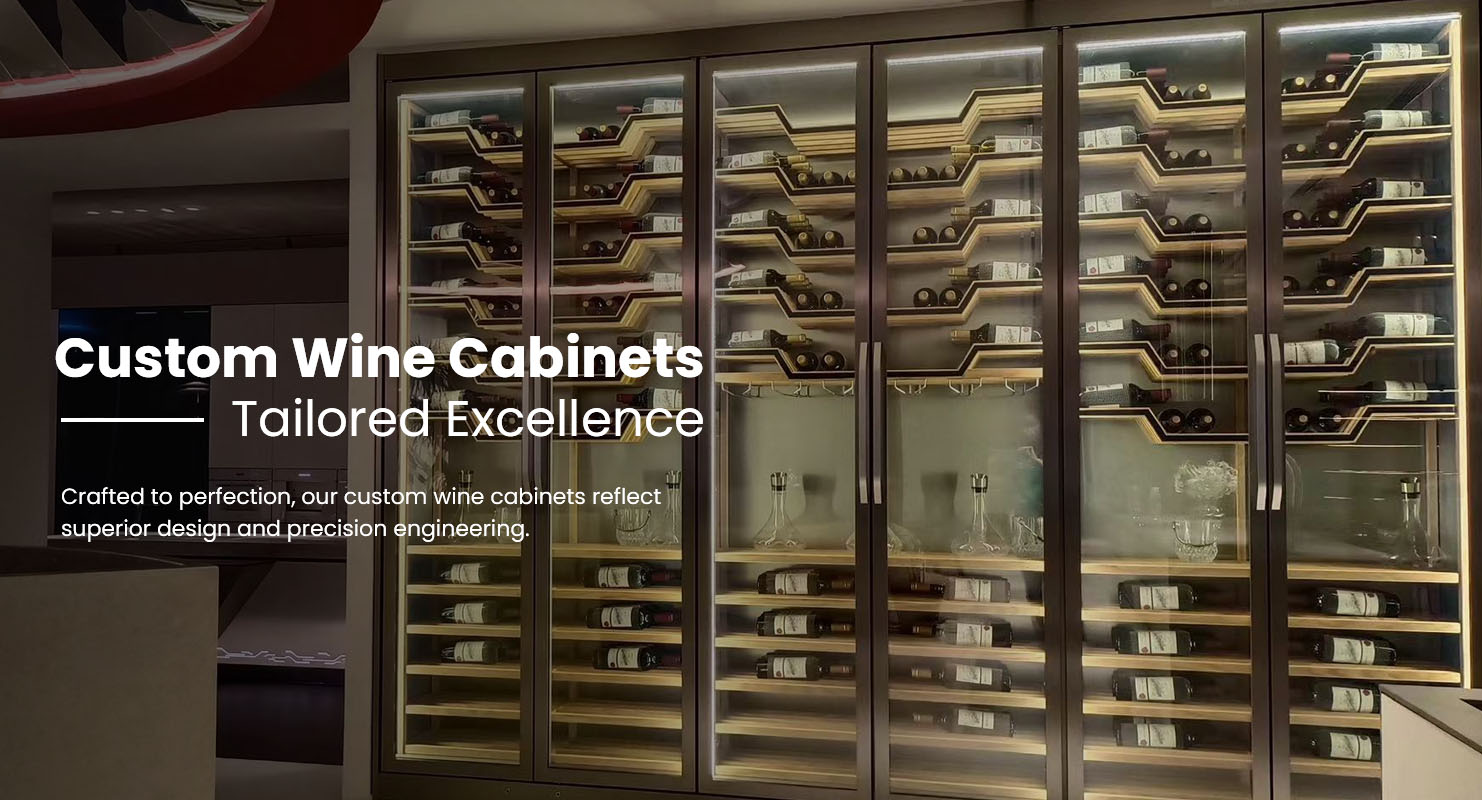
For smaller installations or built-in storage areas, wine cabinets with integrated refrigeration systems provide a practical solution. These cabinets create a controlled environment inside the cabinet itself without requiring a separate cooling system.
WINTON manufactures wine cabinets and customized wine storage systems designed with compressor refrigeration and insulated cabinet structures. These solutions allow wine to be stored safely even when the cabinet is installed in residential living areas or commercial spaces.
Build Proper Insulation
Insulation plays a critical role in maintaining temperature stability. Without effective insulation, heat from the surrounding environment can enter the cellar and reduce cooling efficiency.
Many wine cabinets use integrated foaming insulation, which fills the cabinet structure with insulating material and forms a sealed thermal barrier. This construction helps maintain consistent internal temperatures while improving overall cooling performance.
Maintain Air Circulation
Uniform airflow inside the wine cellar ensures that every bottle is stored at the same temperature. Without proper circulation, temperature differences may develop between different areas of the storage space.
Internal Cooling Circulation
Modern wine cabinets use internal fans and evaporator systems to distribute cool air evenly across shelves. This airflow helps maintain consistent temperatures throughout the cabinet.
Humidity Balance
Air circulation also helps maintain stable humidity levels. Balanced humidity helps protect corks from drying out and prevents unwanted air from entering the bottle.
Use Durable Materials
Material selection also influences temperature control performance. High-quality wine cabinets commonly incorporate 304 stainless steel structures, double-layer insulated glass doors, and copper evaporator components.
These materials improve durability and insulation performance while supporting efficient refrigeration operation. Reliable materials also help ensure the cabinet structure remains stable during long-term use.
Ensure Manufacturing Quality Control
A temperature controlled wine cellar depends on reliable manufacturing quality. During production, several inspection steps are necessary to ensure stable performance.
Refrigeration System Testing
Cooling systems should be tested to confirm that the cabinet maintains stable temperature conditions.
Structural And Insulation Inspection
Manufacturers should verify cabinet sealing, insulation integrity, and airflow performance to ensure consistent cooling results.
Conclusion
Creating a temperature controlled wine cellar involves more than simply cooling a room. Effective wine storage requires stable refrigeration systems, strong insulation, balanced airflow, and durable materials working together to maintain consistent conditions.
Wine cabinets and customized wine cellar systems produced by manufacturers such as WINTON provide reliable temperature control solutions for residential and commercial wine storage projects, allowing wine collections to be preserved under stable conditions for long-term aging.
Previous: How To Decorate A Wine Cellar