
How To Decorate A Wine Cellar
A wine cellar is not only a storage space but also a place that reflects personal taste and wine culture. Proper decoration improves visual appeal while helping maintain an organized and functional storage environment. Whether the wine cellar is located in a basement, a dining area, or built into a wall cabinet, thoughtful design can turn it into a highlight of the home or a centerpiece in a commercial setting.
Decorating a wine cellar should balance aesthetics and practicality. The space must remain suitable for long-term wine storage while presenting the collection in an elegant and accessible way.
Choose A Suitable Layout
The first step in decorating a wine cellar is determining the layout. The arrangement should allow easy access to bottles while maximizing storage capacity. Some wine cellars focus on large storage capacity with organized shelving, while others emphasize display for selected bottles.
Wall Storage Design
Wall-mounted racks or built-in cabinets are common solutions for wine cellars with limited space. These installations allow bottles to be stored horizontally while keeping labels visible. This design works well in dining rooms, lounges, and modern home wine displays.
Walk-In Wine Cellar Layout
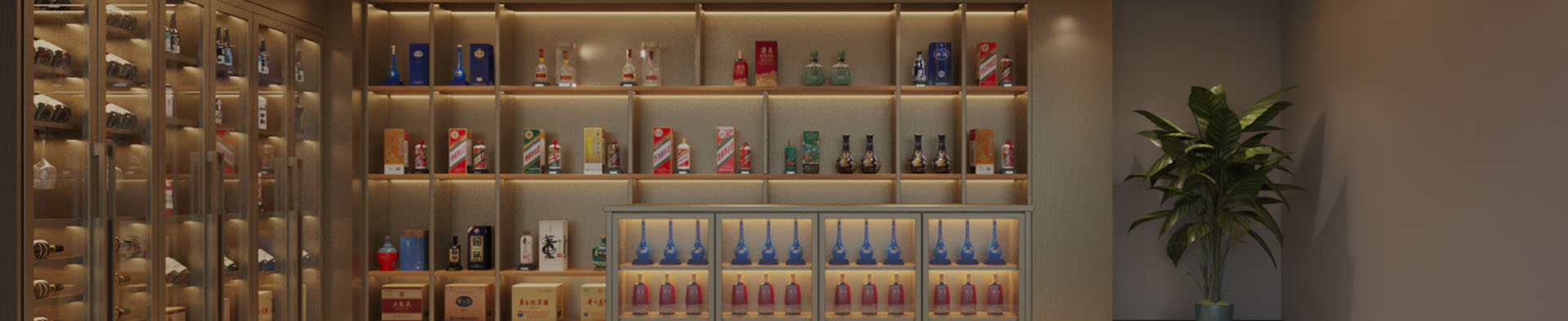
For larger spaces, a walk-in wine cellar provides greater flexibility in decoration. Shelving units can be arranged along the walls while leaving space in the center for tasting tables or display cabinets. This design creates a more immersive wine storage experience.
Select Elegant Storage Systems
The storage system plays a major role in the appearance of the wine cellar. Wine racks, cabinets, and shelving structures should match the interior design style of the room.
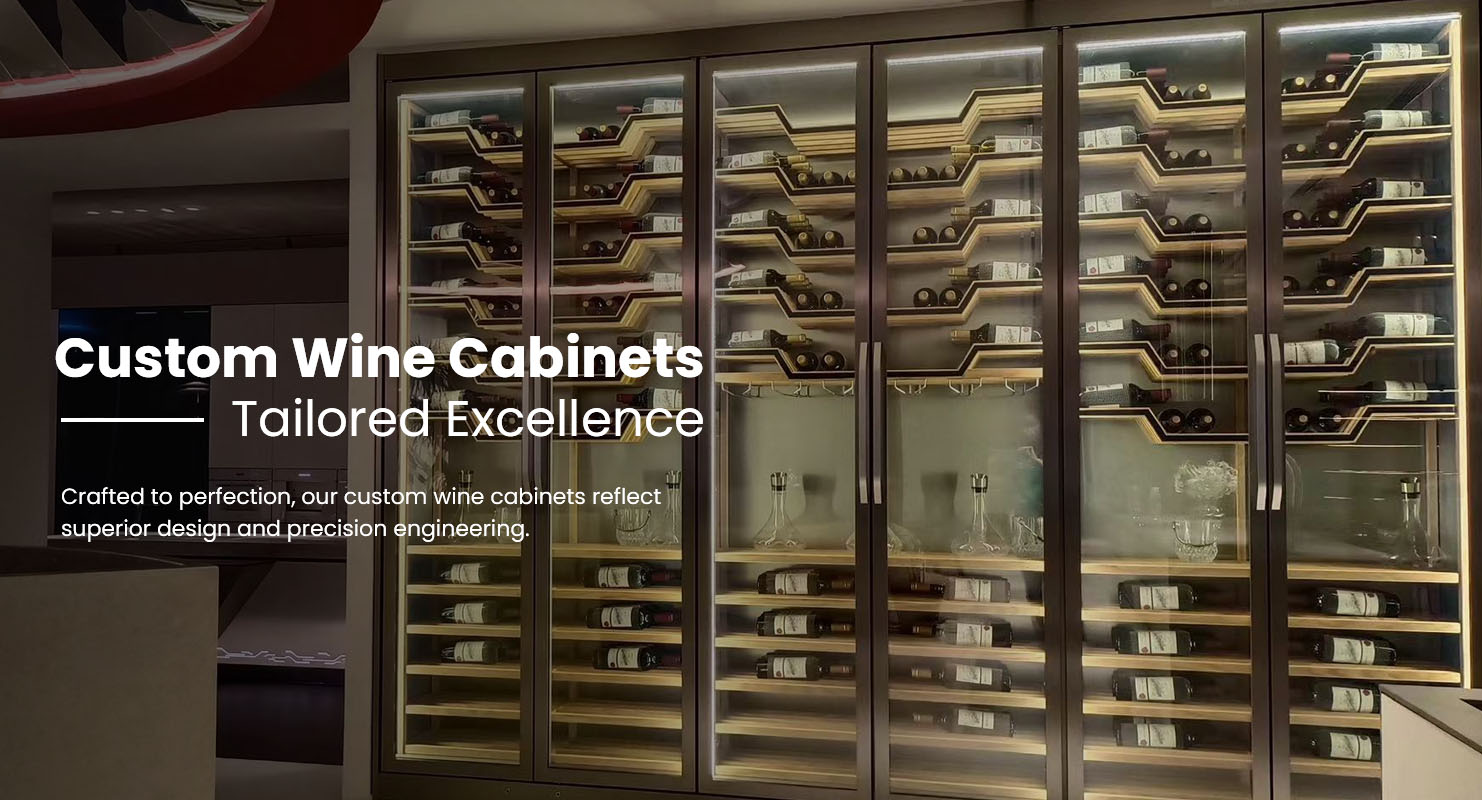
Wine cabinets with glass doors are often used in modern interiors because they display the collection while protecting the bottles from dust and environmental changes. WINTON produces wine cabinets and custom wine storage systems designed with insulated structures and professional cooling technology, allowing wine collections to be displayed attractively while maintaining stable storage conditions.
Use Lighting To Enhance The Atmosphere
Lighting is an important decorative element in Wine Cellar Design. Soft lighting can highlight bottle displays and create a warm, sophisticated environment.
LED strip lighting is often installed along shelving edges or behind bottle racks to illuminate labels without generating excessive heat. Accent lighting can also be used to highlight special bottles or decorative features within the cellar.
Care should be taken to avoid strong direct lighting that may affect wine storage conditions.
Choose Appropriate Materials
Materials used in the wine cellar should complement both the storage function and the interior style. Popular materials include wood, stainless steel, and glass.
Wood shelving creates a traditional and warm atmosphere often associated with classic wine cellars. Stainless steel structures provide a modern and durable look suitable for contemporary interiors. Glass doors or panels help display wine collections while protecting them from dust and temperature changes.
High-quality wine cabinets often combine stainless steel structures with insulated glass doors to achieve both durability and elegant presentation.
Add Decorative Elements
Decorative elements can make a wine cellar more inviting and visually distinctive. Wall art related to wine culture, vintage wine posters, cork displays, or small sculptures can enhance the atmosphere of the space.
Some wine cellars also include tasting counters or small tables where guests can enjoy wine directly within the cellar environment. These additions transform the cellar from simple storage into a social and experiential space.
Maintain A Functional Storage Environment
While decoration improves appearance, the wine cellar must still maintain suitable storage conditions. Temperature stability, air circulation, and proper bottle positioning remain essential for preserving wine quality.
Wine cabinets designed with insulated structures and compressor cooling systems help maintain consistent storage environments while allowing decorative display. Manufacturers such as WINTON develop wine storage solutions that combine aesthetic design with reliable temperature control.
Conclusion
Decorating a wine cellar involves more than choosing attractive materials or lighting. A well-designed wine cellar combines functional storage, stable environmental conditions, and visually appealing presentation.
By selecting the right layout, storage systems, lighting, and materials, a wine cellar can become both a practical storage space and a refined feature within a home or commercial environment. Wine cabinets and customized wine storage systems from manufacturers like WINTON make it possible to create elegant wine displays while maintaining proper storage conditions for long-term wine preservation.