

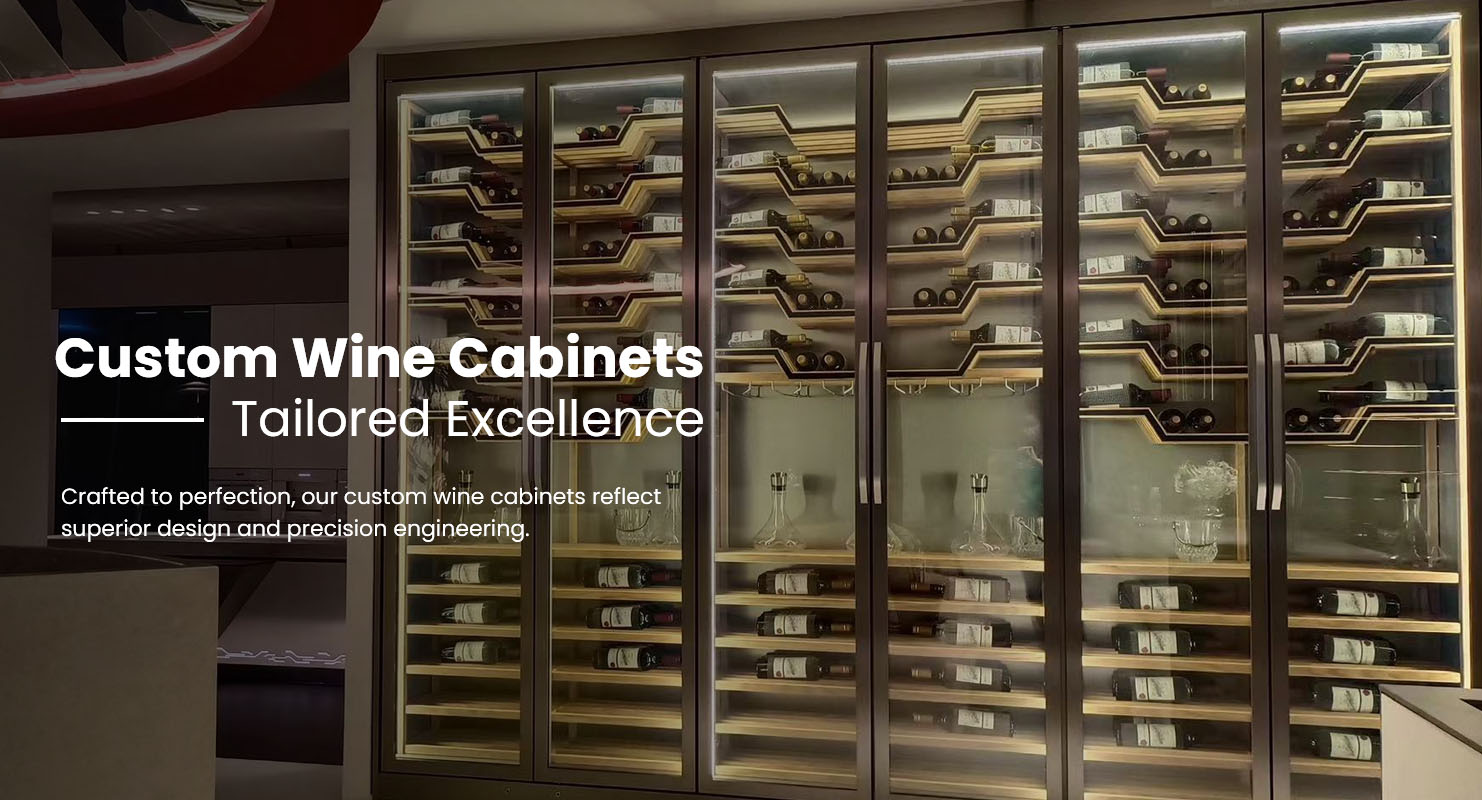
A wine cellar split system is a professional cooling solution designed for maintaining stable temperature conditions in dedicated wine storage rooms. Unlike self-contained cooling units, a split system separates the cooling components into two parts: the evaporator unit installed inside the wine cellar and the condenser unit installed outside the room.
This design helps reduce noise inside the cellar and allows more flexible installation. Split systems are commonly used in large residential wine rooms, restaurants, hotels, and commercial wine storage spaces where precise temperature control is required.
Prepare The Wine Cellar Space
Before installing a wine cellar split system, the storage space must be properly prepared. The room should have sufficient insulation to prevent heat from entering and to maintain stable internal conditions.
Walls, ceilings, and doors should be insulated with materials that limit temperature transfer. Vapor barriers are also recommended to prevent moisture from entering the cellar. Proper insulation allows the cooling system to operate efficiently and maintain stable storage conditions for wine.
Select Installation Locations For System Components
A split cooling system consists of two main parts, and each must be installed in the correct location.
Evaporator Unit Placement
The evaporator unit is installed inside the wine cellar. It is responsible for distributing cooled air throughout the room. The unit is usually mounted on a wall or ceiling where air circulation can reach all storage areas.
The installation position should allow unobstructed airflow across wine racks. This ensures even temperature distribution and prevents warm spots inside the cellar.
Condenser Unit Placement
The condenser unit is installed outside the wine cellar, usually in a mechanical room, utility space, or outdoor location. This unit releases heat generated during the cooling process.
The condenser should be placed in a well-ventilated area where heat can dissipate effectively. Adequate space around the unit is necessary to ensure proper airflow and maintenance access.
Connect Refrigeration Lines
The evaporator and condenser units are connected by refrigerant lines. These copper lines allow refrigerant to circulate between the two units and transfer heat out of the wine cellar.
During installation, the refrigerant lines must be carefully routed and insulated to prevent temperature loss. Proper sealing of these connections ensures efficient cooling performance and prevents refrigerant leakage.
Professional installation is recommended because refrigeration systems require correct pressure balancing and vacuum sealing before operation.
Install Drainage And Electrical Connections
Wine cellar split systems also require drainage and electrical connections. The evaporator unit typically produces condensation during operation, which must be drained away through a dedicated drainage line.
Electrical connections should be installed according to the system’s voltage requirements and local electrical standards. Professional electricians or refrigeration technicians should handle these connections to ensure safe operation.
Test Cooling Performance
After installation, the system should be tested to confirm that the wine cellar reaches the desired storage temperature. Most wine cellars are maintained between 10°C and 15°C (50°F–59°F).
Technicians should verify airflow circulation, refrigerant pressure, and thermostat operation. Proper testing ensures the system can maintain stable temperature conditions for long-term wine storage.
Maintain Stable Air Circulation
Once installed, the cooling system must maintain even airflow throughout the wine cellar. Proper air circulation prevents temperature differences between different areas of the room.
Wine racks should be arranged to allow air movement around the bottles, and the evaporator unit should not be blocked by shelving or other structures.
Conclusion
Installing a wine cellar split system requires careful planning, proper insulation, and professional refrigeration installation. By correctly positioning the evaporator and condenser units, connecting refrigeration lines, and ensuring stable airflow, a wine cellar can maintain consistent storage temperatures.
Reliable cooling systems are essential for preserving wine quality over time. Wine storage solutions developed by manufacturers such as WINTON combine refrigeration technology, insulated cabinet structures, and durable materials to help create stable wine cellar environments for both residential and commercial wine collections.