
Insulation is one of the most important elements in building an effective wine cellar. A properly insulated cellar helps maintain a stable temperature and humidity level, which are essential for preserving wine quality. Without insulation, outside heat can easily enter the storage space, forcing the cooling system to work harder and causing temperature fluctuations that may damage the wine.
Most wines are stored best between 10°C and 15°C (50°F–59°F). Good insulation allows the wine cellar to maintain this temperature range consistently while improving energy efficiency.
Choose The Right Insulation Materials
Selecting suitable insulation materials is the first step in building a stable wine cellar environment. Common insulation materials include rigid foam boards, spray foam insulation, and fiberglass insulation. Among these options, rigid foam insulation and spray foam are widely used because they provide strong thermal resistance and help seal gaps within walls and ceilings.
These materials reduce heat transfer between the cellar and the surrounding environment, allowing the cooling system to maintain stable conditions more efficiently.
Install A Vapor Barrier
A vapor barrier is an essential component when insulating a wine cellar. It prevents moisture from entering the insulated walls and protects the cellar from condensation problems.
The vapor barrier is typically installed on the warm side of the wall structure, which is the side facing the external environment. By blocking moisture penetration, the vapor barrier helps maintain stable humidity levels inside the cellar and protects insulation materials from long-term damage.
Insulate Walls, Ceiling, And Door
To achieve effective insulation, every surface of the wine cellar must be properly sealed and insulated.
Wall Insulation
Walls should contain thick insulation panels placed between the framing structures. The goal is to create a continuous insulation layer that prevents outside heat from entering the cellar.
Ceiling Insulation
If the wine cellar is located below another room, the ceiling must also be insulated. Warm air naturally rises, so ceiling insulation helps prevent heat transfer from the floor above.
Door Insulation
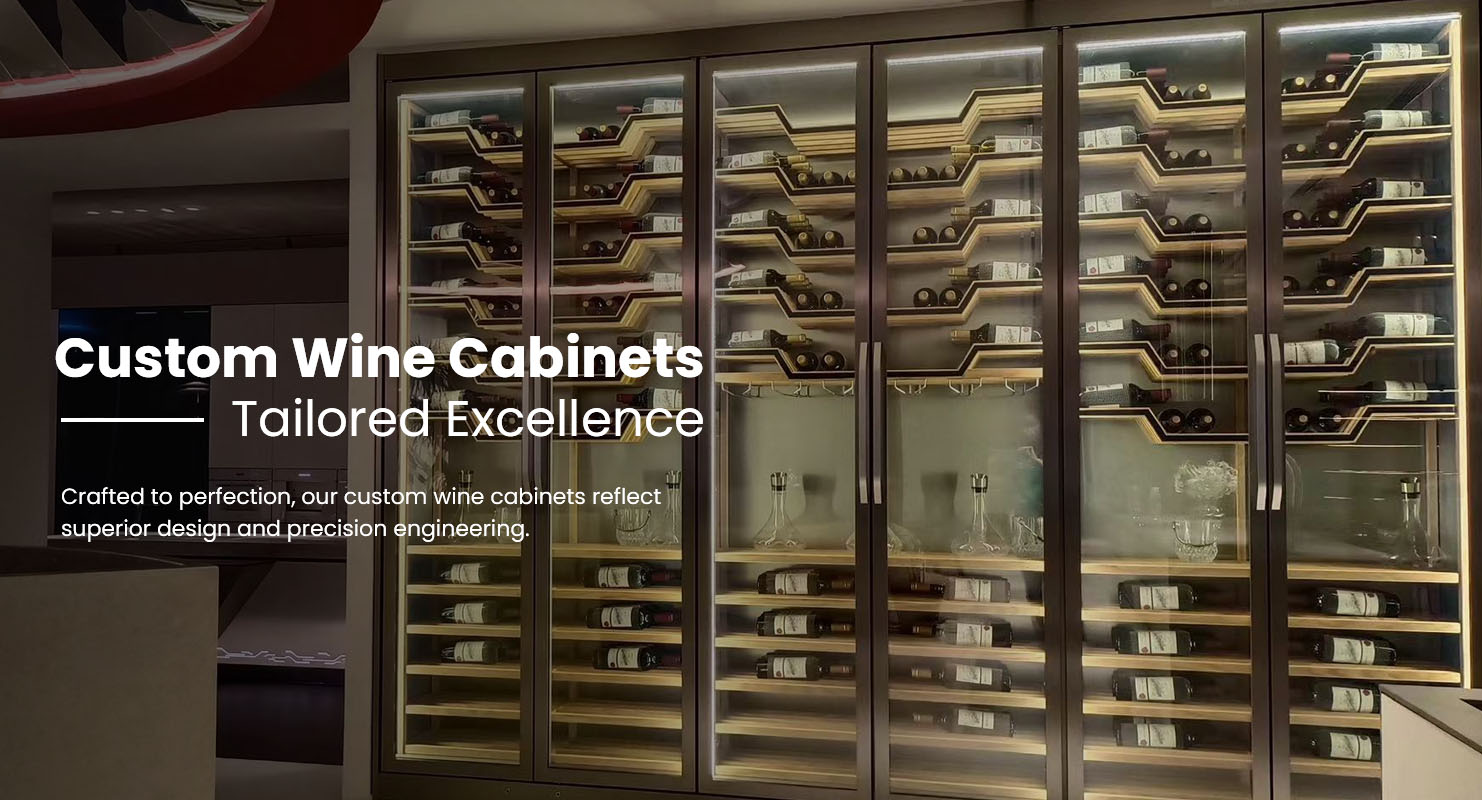
Wine cellar doors should be insulated and tightly sealed. Glass doors used for wine cabinets typically feature double-layer insulated glass to reduce temperature transfer. Proper door sealing prevents warm air from entering the cellar.
Seal All Air Gaps
Even small air gaps can affect the temperature stability of a wine cellar. Sealing these gaps around doors, wall joints, and electrical openings helps maintain consistent internal conditions.
Sealing materials such as foam sealants or insulation tapes can be used to close gaps and improve overall insulation performance.
Combine Insulation With Proper Cooling Systems
Insulation alone cannot control wine cellar temperature. It must work together with a dedicated cooling system designed for wine storage.
Many wine cabinets use integrated foaming insulation within the cabinet structure to create a sealed thermal environment. Manufacturers such as WINTON design wine cabinets with insulated panels and controlled cooling systems to maintain stable storage conditions for wine collections.
Conclusion
Insulating a wine cellar is essential for maintaining stable temperature and humidity conditions. Proper insulation materials, vapor barriers, sealed structures, and insulated doors all contribute to an efficient wine storage environment.
When combined with professional wine cooling systems, good insulation helps protect wine quality and ensures long-term storage stability. Wine cabinets and customized storage systems produced by manufacturers like WINTON provide insulated structures and controlled cooling technology designed for reliable wine preservation.