
A wine cellar must maintain a clean, stable, and well-balanced environment to protect wine quality over long periods. If the storage area becomes stale, overly humid, or contaminated with strong odors, it may affect both the cork and the wine inside the bottle. Keeping the cellar fresh helps maintain proper aging conditions and ensures that the wine retains its intended aroma and flavor.
A well-maintained wine cellar typically keeps temperature around 10°C to 15°C (50°F–59°F) while maintaining balanced humidity and clean airflow.
Maintain Stable Temperature
Temperature stability is the foundation of a fresh wine cellar environment. Frequent temperature changes can disturb the aging process and cause the liquid inside the bottle to expand and contract.
Professional wine cooling systems are designed to maintain consistent storage temperatures. Many wine cabinets use compressor cooling technology combined with insulated cabinet structures to create a stable internal environment.
Manufacturers such as WINTON design wine cabinets with controlled cooling systems that help maintain stable temperature conditions even when the cabinet is installed in residential or commercial spaces.
Ensure Proper Air Circulation
Fresh air circulation helps prevent stale odors and uneven temperature zones inside the wine cellar. Without proper airflow, certain areas may become warm or humid while others remain cooler.
Modern wine cabinets often include internal fans and evaporator systems that circulate air throughout the storage space. Balanced airflow helps distribute temperature evenly and supports proper humidity levels.
Good air circulation also prevents condensation and keeps the storage environment fresh.
Control Humidity Levels
Humidity should remain balanced to keep the cellar environment healthy. Ideally, wine cellars maintain humidity between 50% and 70%. If humidity is too low, corks may dry out and allow air to enter the bottle. If humidity becomes too high, mold growth may occur.
Using humidifiers or integrated humidity control systems can help maintain appropriate moisture levels in the cellar.
Keep The Cellar Clean
Cleanliness is essential for maintaining a fresh wine cellar environment. Dust, mold, and strong odors can accumulate if the space is not maintained regularly.
Shelves and storage racks should be cleaned periodically, and spilled wine or moisture should be removed promptly. Avoid storing chemicals, cleaning products, or strong-smelling items inside the cellar because wine corks can absorb odors over time.
Use Suitable Materials
Materials used in wine cellar construction can influence freshness and air quality. Natural materials such as wood shelving can help regulate moisture, while stainless steel structures provide durability and resistance to mold.
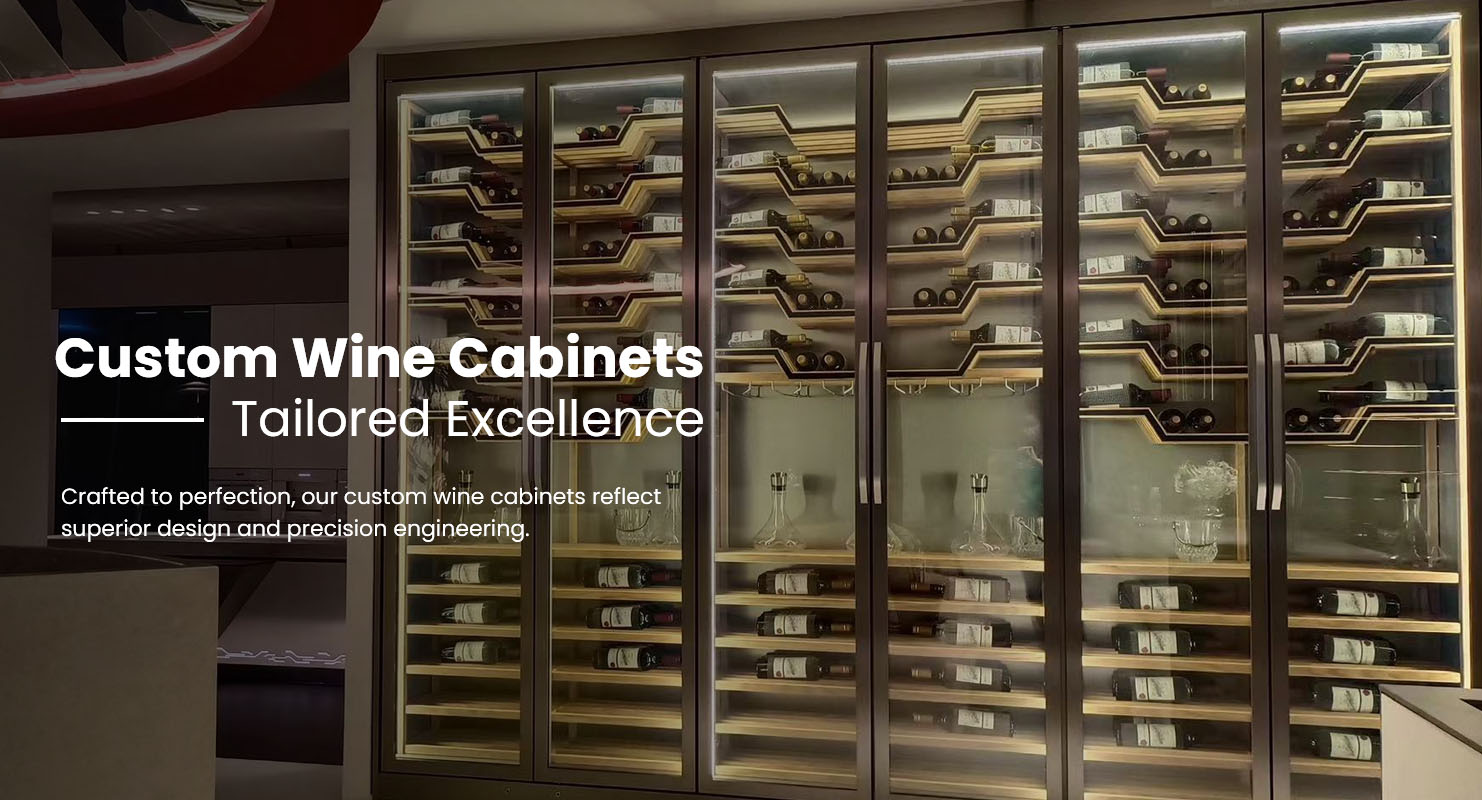
Wine cabinets often combine insulated structures with sealed glass doors and durable metal frames to protect wine from external contaminants while maintaining stable internal conditions.
Limit Light Exposure
Excessive light can affect wine quality and increase heat inside the cellar. Soft, indirect lighting is recommended to maintain a pleasant atmosphere without disturbing storage conditions.
LED lighting is commonly used in wine cabinets because it produces minimal heat and allows wine labels to be displayed clearly.
Conclusion
Keeping a wine cellar fresh requires maintaining stable temperature, balanced humidity, proper air circulation, and a clean storage environment. These factors work together to create ideal conditions for wine preservation and aging.
Wine cabinets and customized wine storage systems produced by manufacturers such as WINTON integrate insulation, cooling technology, and airflow design to help maintain a fresh and stable wine storage environment for both residential and commercial collections.