
Humidity plays a critical role in preserving wine during long-term storage. A wine cellar should typically maintain humidity between 50% and 70%. This range helps protect corks from drying out while preventing excessive moisture that could lead to mold growth or label damage.
If the cellar air becomes too dry, corks may shrink and allow oxygen to enter the bottle, which can negatively affect the wine’s taste and aging process. Maintaining proper humidity helps ensure that bottles remain sealed and the wine continues to mature naturally.
Use A Wine Cellar Humidifier
One of the most reliable ways to keep a wine cellar humid is by installing a humidifier designed for wine storage environments. These devices release controlled amounts of moisture into the air to maintain stable humidity levels.
Humidifiers are especially useful in large walk-in wine cellars or in regions with naturally dry climates. Automatic humidification systems can monitor humidity levels and adjust moisture output to maintain a balanced environment.
Improve Cellar Insulation
Proper insulation helps retain humidity inside the wine cellar. If the room is poorly insulated, dry air from surrounding areas may enter and reduce humidity levels.
Insulated walls, ceilings, and doors help create a sealed storage environment. Many wine cabinets use integrated foaming insulation within the cabinet structure to limit air exchange and maintain stable internal conditions.
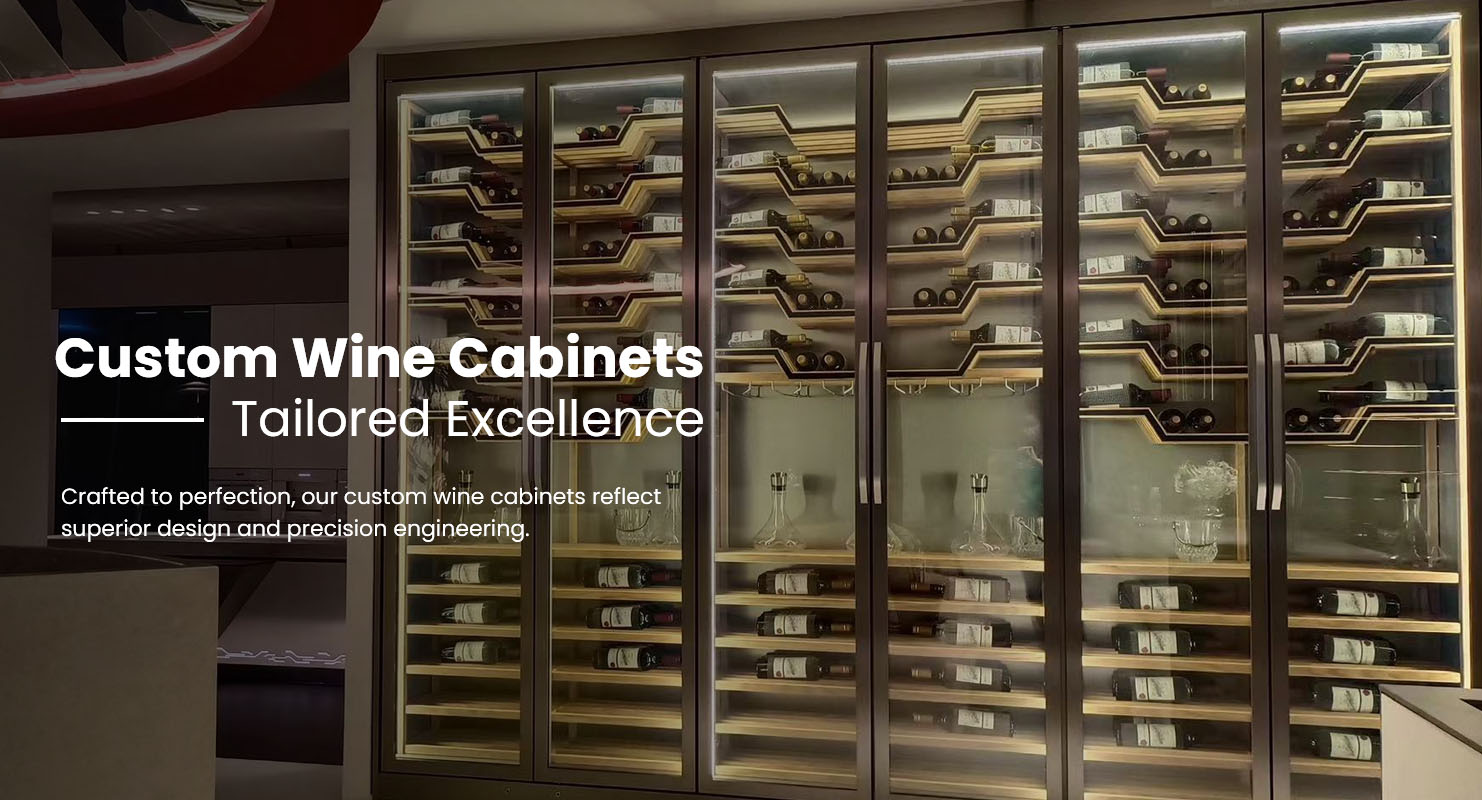
Manufacturers such as WINTON produce wine cabinets with insulated panels and sealed glass doors to help preserve both temperature and humidity stability.
Maintain Balanced Air Circulation
Air circulation is necessary for distributing moisture evenly throughout the wine cellar. Without airflow, some areas may become overly dry while others remain humid.
Wine cabinets often use internal fans and evaporator systems to circulate air across storage shelves. Balanced airflow supports consistent humidity levels and helps maintain a stable storage environment for all bottles.
Reduce Sources Of Dry Air
External factors can cause humidity levels to drop inside the wine cellar. Heating systems, strong ventilation, and direct airflow from air conditioning units can remove moisture from the air.
To maintain humidity, the cellar should be sealed from strong airflow sources and doors should remain closed whenever possible. Proper door sealing and insulated structures help reduce moisture loss.
Use Natural Moisture Methods
In smaller wine cellars, simple methods can help increase humidity. Placing a container of water inside the cellar allows moisture to slowly evaporate into the air. Damp sponges or small water trays can also help raise humidity levels slightly.
These methods may not replace professional humidification systems but can help stabilize humidity in smaller storage environments.
Monitor Humidity Levels
A hygrometer is an essential tool for monitoring humidity inside a wine cellar. This device measures the moisture level in the air and helps ensure the environment remains within the recommended range.
Regular monitoring allows cellar owners to adjust humidifiers or airflow systems when necessary to maintain proper conditions.
Conclusion
Keeping a wine cellar humid is essential for protecting cork integrity and maintaining proper wine aging conditions. Stable humidity levels help prevent oxidation, preserve bottle seals, and support long-term wine storage.
By combining proper insulation, controlled airflow, and effective humidification systems, a wine cellar can maintain the ideal storage environment. Wine cabinets and customized wine storage systems produced by manufacturers such as WINTON are designed to maintain balanced temperature and humidity conditions for reliable wine preservation.