
How To Maintain Consistent Conditions in A Wine Cellar
Maintaining consistent conditions inside a wine cellar is essential for preserving the quality, aroma, and aging potential of wine. Wine is sensitive to environmental changes, and fluctuations in temperature, humidity, or airflow can affect both the liquid and the cork seal. Stable conditions allow wine to mature gradually and maintain its intended flavor profile.
In most wine cellars, the recommended storage temperature is 10°C to 15°C (50°F–59°F), with humidity levels typically maintained between 50% and 70%. Consistency within these ranges is more important than frequent adjustments.
Maintain Stable Temperature
Temperature stability is the foundation of a properly functioning wine cellar. Rapid temperature changes can cause the liquid inside the bottle to expand and contract, which may weaken the cork seal and allow oxygen to enter.
Professional wine cellar cooling systems are designed to maintain a consistent storage temperature. Compressor-based cooling units are commonly used in wine cabinets and cellar systems because they provide reliable temperature control over long periods.
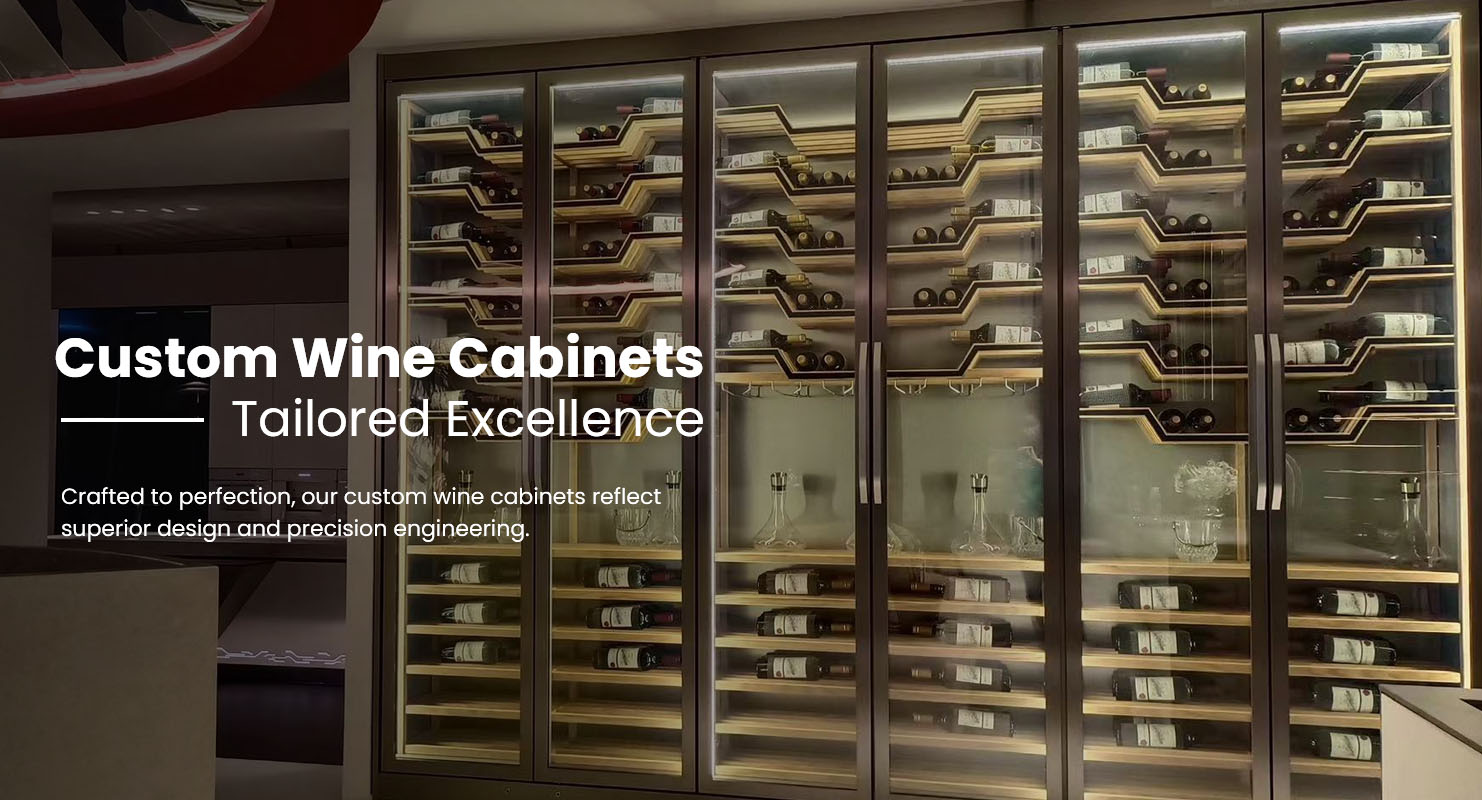
Manufacturers such as WINTON produce wine cabinets and customized wine storage systems that incorporate insulated cabinet structures and controlled cooling technology to maintain stable internal conditions.
Ensure Proper Insulation
Insulation helps prevent external temperature changes from affecting the wine cellar. Without sufficient insulation, heat from surrounding areas can enter the cellar and disrupt the cooling system.
Walls, ceilings, and doors should be insulated to create a sealed storage environment. Many wine cabinets use integrated foaming insulation within the cabinet structure to reduce heat transfer and improve temperature stability.
Proper insulation also improves energy efficiency by allowing the cooling system to operate more effectively.
Control Humidity Levels
Balanced humidity helps protect cork integrity and prevents excessive moisture buildup. If humidity levels drop too low, corks may dry out and allow air into the bottle. If humidity becomes too high, mold may develop on labels or shelving.
Humidity levels in a wine cellar should generally remain between 50% and 70%. Humidifiers or humidity control systems can be used to maintain this balance, especially in dry climates.
Maintain Good Air Circulation
Air circulation ensures that temperature and humidity remain consistent throughout the entire wine cellar. Without proper airflow, certain areas may become warmer or more humid than others.
Wine cabinets and cooling systems often include internal fans that distribute air evenly across storage shelves. Balanced airflow helps maintain consistent conditions and prevents the formation of temperature zones inside the cellar.
Reduce Light And External Disturbances
Excessive light and vibrations can affect wine quality over time. Strong lighting can increase temperature inside the cellar, while vibrations may disturb the sediment in certain wines.
Soft LED lighting is commonly used in wine storage environments because it produces minimal heat. Storage areas should also be located away from heavy machinery or equipment that may create vibration.
Monitor Environmental Conditions
Monitoring devices such as thermometers and hygrometers help track temperature and humidity levels inside the wine cellar. These tools allow cellar owners to detect changes quickly and adjust cooling or humidification systems when necessary.
Regular monitoring ensures that the storage environment remains stable and suitable for long-term wine preservation.
Conclusion
Maintaining consistent conditions in a wine cellar requires a combination of temperature control, proper insulation, balanced humidity, and steady airflow. These elements work together to create a stable environment where wine can age naturally.
Wine cabinets and customized storage systems produced by manufacturers such as WINTON are designed with insulated structures, controlled cooling technology, and reliable airflow systems to help maintain consistent wine storage conditions for both residential and commercial collections.
Previous: