
How To Seal A Wine Cellar Door
A properly sealed wine cellar door helps maintain stable temperature and humidity levels inside the storage space. If the door is not sealed correctly, warm air from outside the cellar can enter, causing temperature fluctuations and increasing the workload of the cooling system.
Good sealing also helps prevent moisture loss or excessive humidity from entering the cellar. Maintaining stable environmental conditions is essential for preserving wine quality, as most wines are stored best between 10°C and 15°C (50°F–59°F) with balanced humidity levels.
Choose A Proper Wine Cellar Door
The first step in sealing a wine cellar door is selecting a door designed for wine storage environments. Wine cellar doors are typically constructed with insulated materials that reduce heat transfer.
Solid insulated doors or double-layer insulated glass doors are commonly used in wine storage systems. These doors help maintain internal temperature stability while providing a secure barrier between the cellar and the surrounding environment.
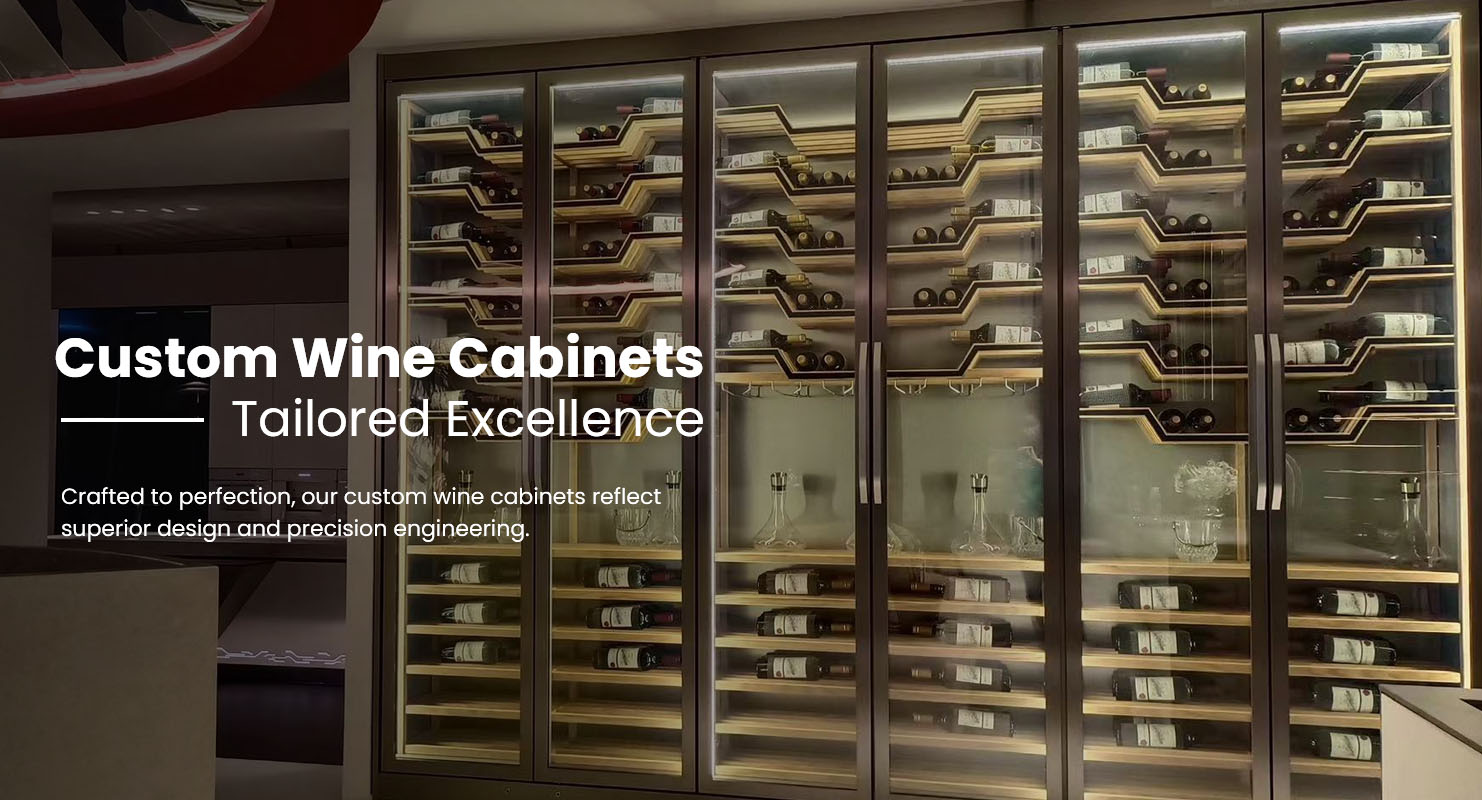
Wine cabinets and storage systems produced by manufacturers such as WINTON often use insulated glass doors combined with sealed cabinet structures to maintain stable internal conditions.
Install Door Weather Stripping
Weather stripping is one of the most effective methods for sealing a wine cellar door. This material is installed along the edges of the door frame and creates a tight seal when the door is closed.
Rubber or foam weather stripping helps block air leakage and prevents warm air from entering the cellar. Properly installed weather stripping improves energy efficiency and helps the cooling system maintain stable temperatures.
Use Door Sweeps Or Bottom Seals
Air gaps often appear at the bottom of wine cellar doors. Installing a door sweep or bottom seal can close this gap and prevent airflow between the cellar and the surrounding space.
Door sweeps are attached to the bottom edge of the door and create a tight barrier against the floor. This small improvement can significantly reduce temperature loss.
Seal Frame Gaps
In addition to sealing the door itself, it is important to check the surrounding door frame. Small gaps between the frame and the wall can allow air to enter the cellar.
Sealants or foam insulation can be used to fill these gaps and improve the overall airtightness of the door installation. Ensuring the frame is properly sealed helps maintain consistent environmental conditions inside the wine cellar.
Check Door Alignment
Even with proper sealing materials, a misaligned door may still allow air leakage. The door should close tightly and evenly against the frame.
Adjusting hinges or tightening hardware can improve door alignment and help ensure that the sealing materials function correctly. Regular inspection of door alignment helps maintain a reliable seal.
Test The Seal
After sealing the door, it is important to test whether air leakage has been eliminated. One simple method is to close the door and check for visible gaps or airflow around the edges.
Monitoring temperature stability after sealing can also confirm whether the cellar environment has improved. A well-sealed door allows the cooling system to maintain stable conditions more efficiently.
Conclusion
Sealing a wine cellar door is essential for maintaining stable storage conditions. Proper door insulation, weather stripping, bottom seals, and frame sealing all help prevent temperature and humidity fluctuations.
A well-sealed door improves cooling efficiency and protects wine collections from environmental changes. Wine cabinets and storage systems produced by manufacturers such as WINTON incorporate insulated structures and sealed door designs to help maintain reliable wine storage conditions.
Previous: