
Building a wine cellar under a staircase is a practical and increasingly popular solution for homes with limited space. The unused area beneath stairs can be transformed into a compact wine storage space while adding visual interest to the interior. With proper planning and environmental control, an under-stair wine cellar can store wine safely and efficiently.
The main challenge is ensuring that the space can maintain stable temperature, humidity, and airflow conditions. If these factors are properly managed, the area under the staircase can function effectively as a wine storage environment.
Evaluate The Available Space
Before starting construction, it is important to evaluate the size and shape of the staircase space. The height and depth of the area often vary because of the sloped structure of the stairs.
Designers typically use custom shelving or built-in wine cabinets that follow the angle of the staircase. This approach maximizes storage capacity while maintaining an organized layout that allows easy access to bottles.
Ensure Proper Temperature Control
Temperature stability is essential for storing wine properly. Most wines are stored best between 10°C and 15°C (50°F–59°F). Because under-stair spaces are often located near living areas or kitchens, the temperature may fluctuate without proper cooling systems.
Installing a dedicated wine cooling system or using a wine cabinet with an integrated cooling unit can help maintain a stable storage temperature. Wine cabinets produced by manufacturers such as WINTON are designed with compressor cooling technology and insulated structures that support consistent wine storage conditions.
Install Proper Insulation
The space under a staircase must be properly insulated to prevent external heat from affecting the wine cellar. Insulated walls and panels help maintain stable internal temperatures and reduce the workload on the cooling system.
Sealing gaps and installing insulated doors also improves temperature stability and energy efficiency.
Maintain Balanced Humidity
Humidity control is also important for protecting cork integrity. Wine storage environments typically maintain humidity between 50% and 70%. If the air becomes too dry, corks may shrink and allow air into the bottle.
A cooling system with controlled airflow or a small humidifier can help maintain balanced humidity levels inside the under-stair wine cellar.
Consider Lighting And Ventilation
Lighting should be soft and produce minimal heat. LED lighting is commonly used in wine storage areas because it provides clear visibility while generating very little heat.
Ventilation around the cooling system is also important. Proper airflow allows the cooling equipment to operate efficiently and prevents heat buildup in the confined space under the stairs.
Choose Suitable Storage Systems
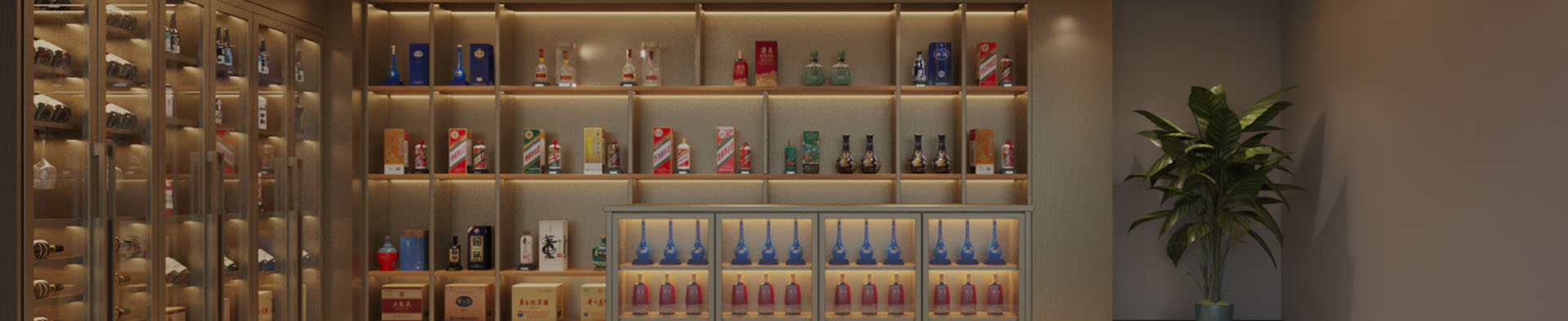
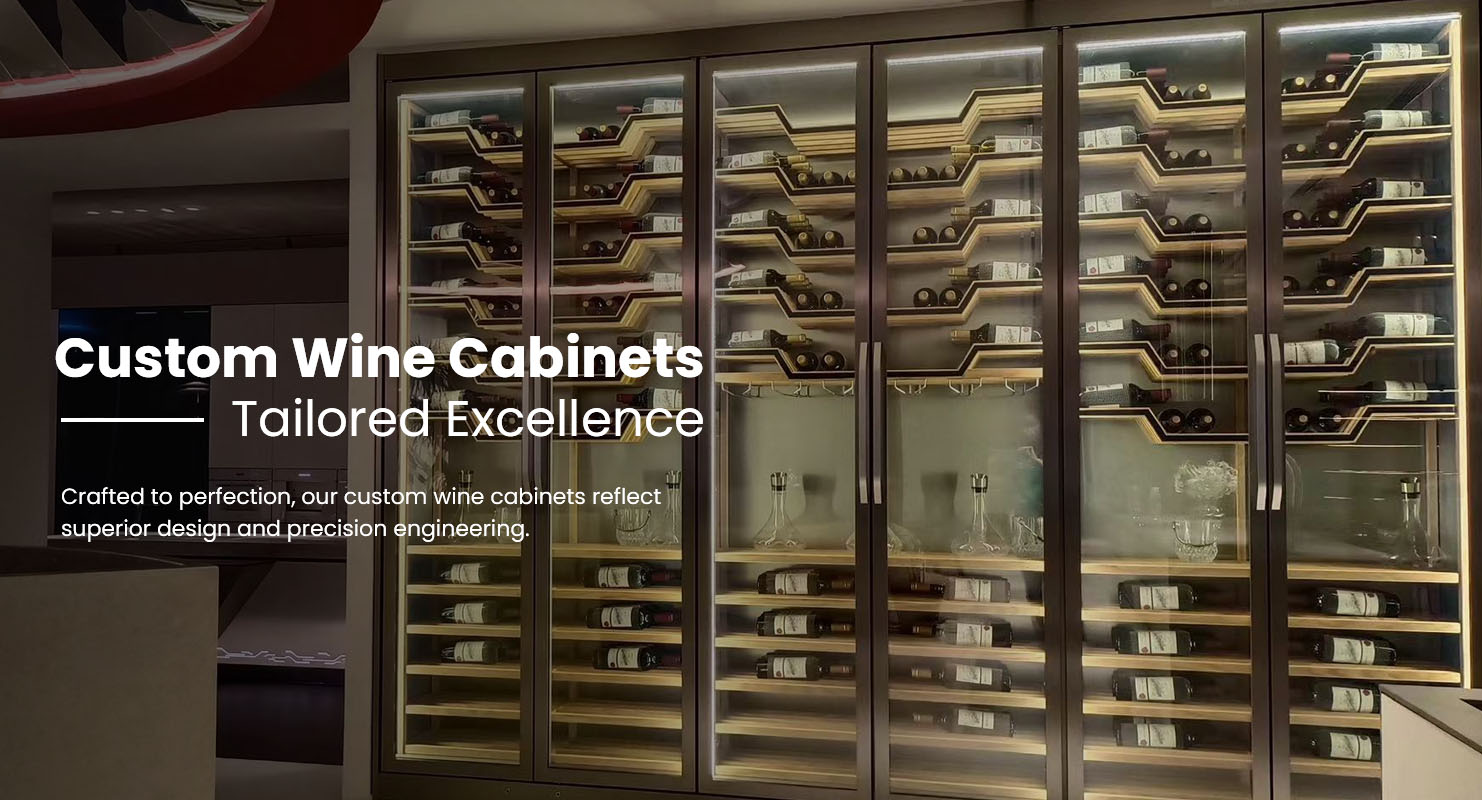
Under-stair wine cellars often use custom racks, modular shelving, or glass-front wine cabinets. Glass doors can display the wine collection while protecting it from dust and environmental changes.
Wine cabinets with insulated glass doors and sealed structures help maintain stable storage conditions while providing an attractive display for wine collections.
Conclusion
Building a wine cellar under a staircase is a practical way to use unused space while creating an elegant wine display. With proper insulation, reliable cooling systems, balanced humidity, and suitable storage racks, the space can maintain ideal wine storage conditions.
Wine cabinets and customized wine storage systems produced by manufacturers such as WINTON help transform compact areas like staircase spaces into functional wine cellars that support stable temperature control and long-term wine preservation.