

How To Build An Easy Wine Cellar
Why A Simple wine cellar Can Work Well
Building a wine cellar does not always require a large basement or complex construction. A simple wine cellar can be created in a small storage area, spare room, closet, or unused corner of a home. The key is not the size of the space but the ability to maintain stable storage conditions.
Wine should generally be stored between 10°C and 15°C (50°F–59°F) with moderate humidity and minimal light exposure. Even a compact and simple wine cellar can provide these conditions if it is designed properly.
Choose A Suitable Location
The first step in building an easy wine cellar is selecting the right location. Areas that remain naturally cool and stable are ideal for wine storage. Basements, interior closets, or spaces away from direct sunlight often work well.
Avoid locations near heating systems, kitchen appliances, or windows that receive strong sunlight. These factors can cause temperature fluctuations that may affect wine quality.
Install Basic Insulation
Insulation helps maintain stable temperature conditions inside the wine cellar. Without insulation, outside heat can enter the storage space and make temperature control difficult.
Walls and ceilings can be insulated using foam panels or similar materials to reduce heat transfer. Sealing gaps around doors and walls also improves temperature stability and helps the cooling system operate more efficiently.
Add A Simple Cooling Solution
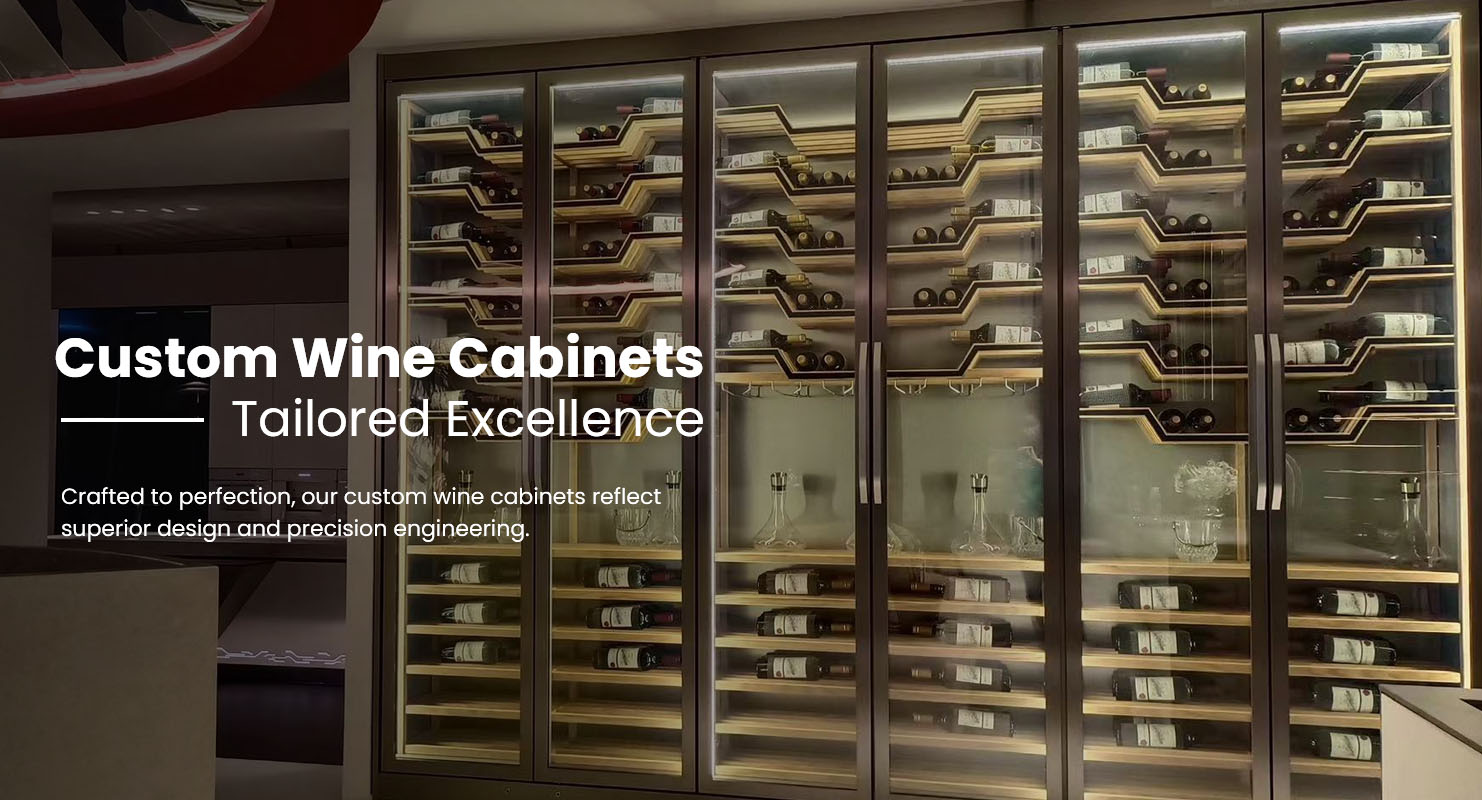
Depending on the climate and the number of bottles being stored, a cooling system may be necessary. For small wine collections, a wine cabinet with an integrated cooling unit can provide an easy solution.
Wine cabinets are designed with insulated structures and compressor cooling systems that maintain stable storage temperatures. Manufacturers such as WINTON produce wine cabinets that combine insulation and controlled cooling technology, making them suitable for compact wine storage areas.
Install Wine Racks Or Shelving
Wine racks are essential for organizing bottles and keeping them stored horizontally. Horizontal storage helps keep the cork moist, which prevents air from entering the bottle.
Wooden racks create a traditional wine cellar appearance, while metal racks provide a more modern look. The rack layout should allow air to circulate around the bottles and make them easy to access.
Control Light Exposure
Excessive light can affect wine quality over time. When designing a simple wine cellar, lighting should be soft and produce minimal heat.
LED lighting is commonly used because it provides good visibility without significantly increasing the temperature inside the storage space.
Maintain Proper Humidity
Humidity should remain balanced to protect cork integrity. Wine storage environments typically maintain humidity between 50% and 70%. If the air becomes too dry, corks may shrink and allow oxygen to enter the bottle.
Simple humidity control methods such as maintaining proper sealing and airflow can help keep humidity within the recommended range.
Monitor Storage Conditions
Even in a simple wine cellar, monitoring temperature and humidity is important. Using a thermometer and hygrometer allows you to track environmental conditions and ensure that the storage space remains suitable for wine aging.
Regular monitoring helps prevent long-term storage problems.
Conclusion
Building an easy wine cellar is possible even in small spaces with simple construction methods. By choosing a suitable location, installing insulation, adding proper wine racks, and maintaining stable temperature and humidity, a reliable wine storage environment can be created.
Wine cabinets and storage systems produced by manufacturers such as WINTON provide convenient solutions for creating compact wine cellars that maintain stable conditions for preserving wine collections.
Previous: