

How To Arrange Wine Cellar
A well-arranged wine cellar is not only about appearance. It is about protecting wine quality, improving picking efficiency, and reducing project mistakes during installation and later expansion. According to Purdue Extension, wine is traditionally stored at 10 to 16°C, while many professional cellar references place ideal long-term storage near 55°F and around 60 to 70 percent relative humidity. That means layout planning should start with climate stability first, then move to racking, zoning, and access flow.
Start With Functional Zoning
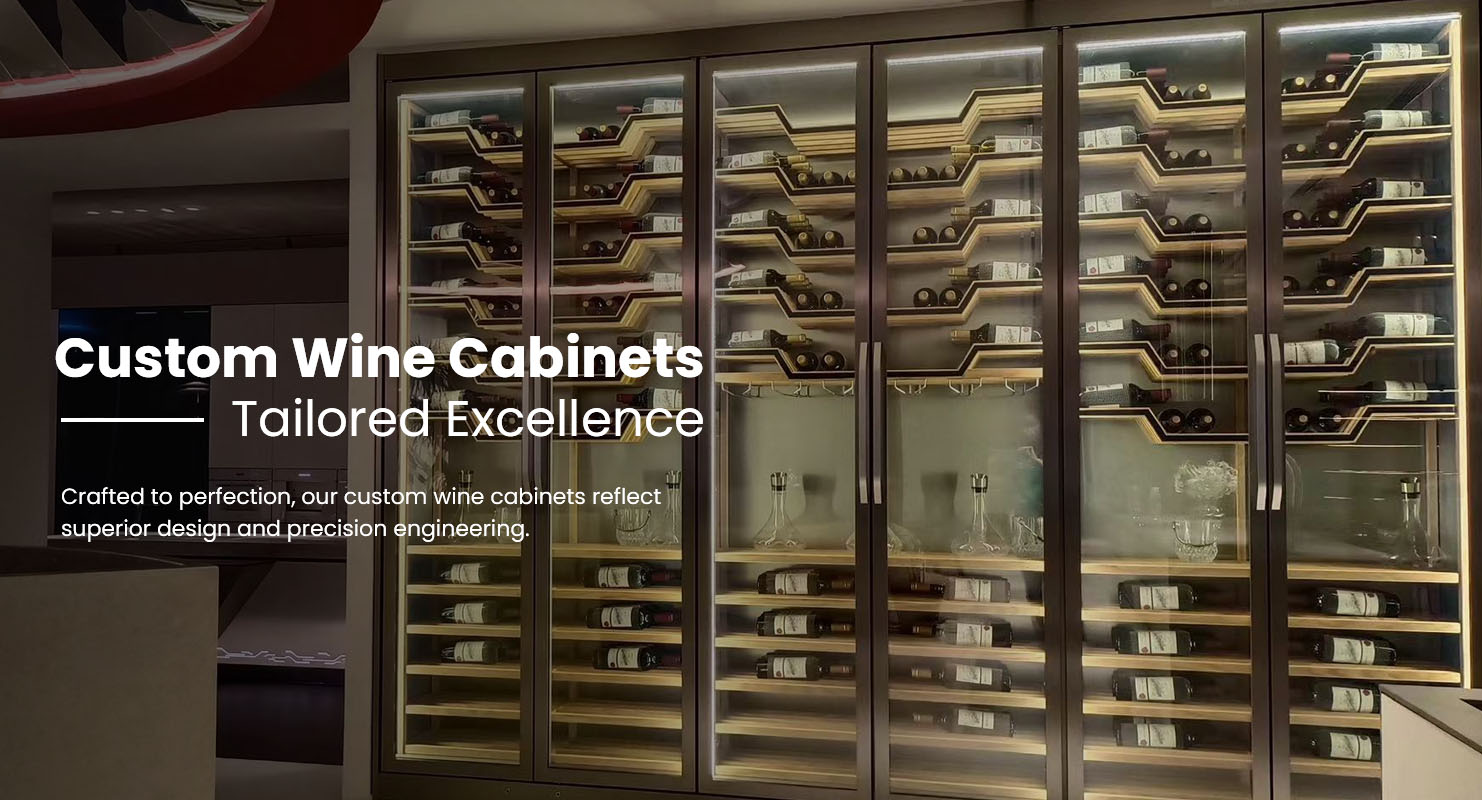
A practical wine cellar arrangement usually separates daily-access bottles, long-term aging stock, and display collections. Fast-turn products should be placed near the entrance, while long-storage bottles belong in the most stable area away from frequent door opening, lighting, and vibration. Bottles with natural cork are generally stored horizontally to help maintain cork condition. A clear aisle and service space also matter, especially in hotel, retail, and Custom Cabinet projects where restocking speed affects daily use.
| Zone | Main Use | Arrangement Focus |
|---|---|---|
| Front area | Daily access | Easy picking and label visibility |
| Center area | Core storage | Stable airflow and efficient capacity |
| Rear area | Long aging | Lowest disturbance and best consistency |
| Display area | Premium presentation | Lighting control and clean visual layout |
Why Cooling And Structure Must Match The Layout
Good arrangement fails if the enclosure is wrong. Wenteng notes that proper cellar planning depends on insulation, vapor sealing, door sealing integrity, and controlled cooling rather than shelf placement alone. In other words, a wine cellar cooling system, rack design, and internal traffic path should be reviewed together. This is especially important in basement projects, custom cabinetry, and multi-unit supply programs where heat gain and humidity swings can vary by installation site.
Manufacturer Vs Trader Matters In Project Planning
When arranging a cellar for repeated supply or custom development, manufacturer vs trader becomes a real sourcing issue. A direct manufacturer can review cabinet dimensions, airflow path, glass door specification, lighting layout, and cooling match before production starts. Wenteng presents factory capabilities including shearing, bending, grooving, foaming, welding, and testing equipment, plus integrated sheet metal fabrication, insulation foaming, compressor installation, and temperature calibration testing. That gives better control over layout consistency across batches.
OEM And ODM Process For Custom Arrangement
For OEM and ODM projects, cellar arrangement should be confirmed at drawing stage. Important checkpoints include bottle capacity, single-zone or dual-zone planning, shelf spacing, lighting position, lock options, noise targets, voltage compatibility, and service clearance. Wenteng also highlights project sourcing checks such as 110 to 120V or 220 to 240V compatibility, refrigerant compliance, ambient operating range, door seal performance, and certification readiness. This makes bulk supply considerations far more manageable when one project must be repeated across different markets.
Quality Control, Material Standards, And Export Compliance
A dependable wine cellar arrangement also depends on quality control checkpoints. Temperature stability testing, door seal leakage verification, compressor validation, electrical safety inspection, and long-duration operational testing all affect whether the planned layout will perform in real use. Wenteng also references support for CE, CB, RoHS, and ETL where applicable, which is valuable for export market compliance and smoother project approval.
Final Thought
The right way to arrange a wine cellar is to combine storage logic with engineering logic. Organize the space by access frequency, aging needs, and display value, but always build that layout around stable cooling, reliable sealing, and verified production quality. Wenteng’s strength is that it works as a manufacturer with OEM and ODM capability, structured manufacturing processes, and export-ready compliance support, which makes cellar arrangement more practical and repeatable from project drawing to final delivery.