

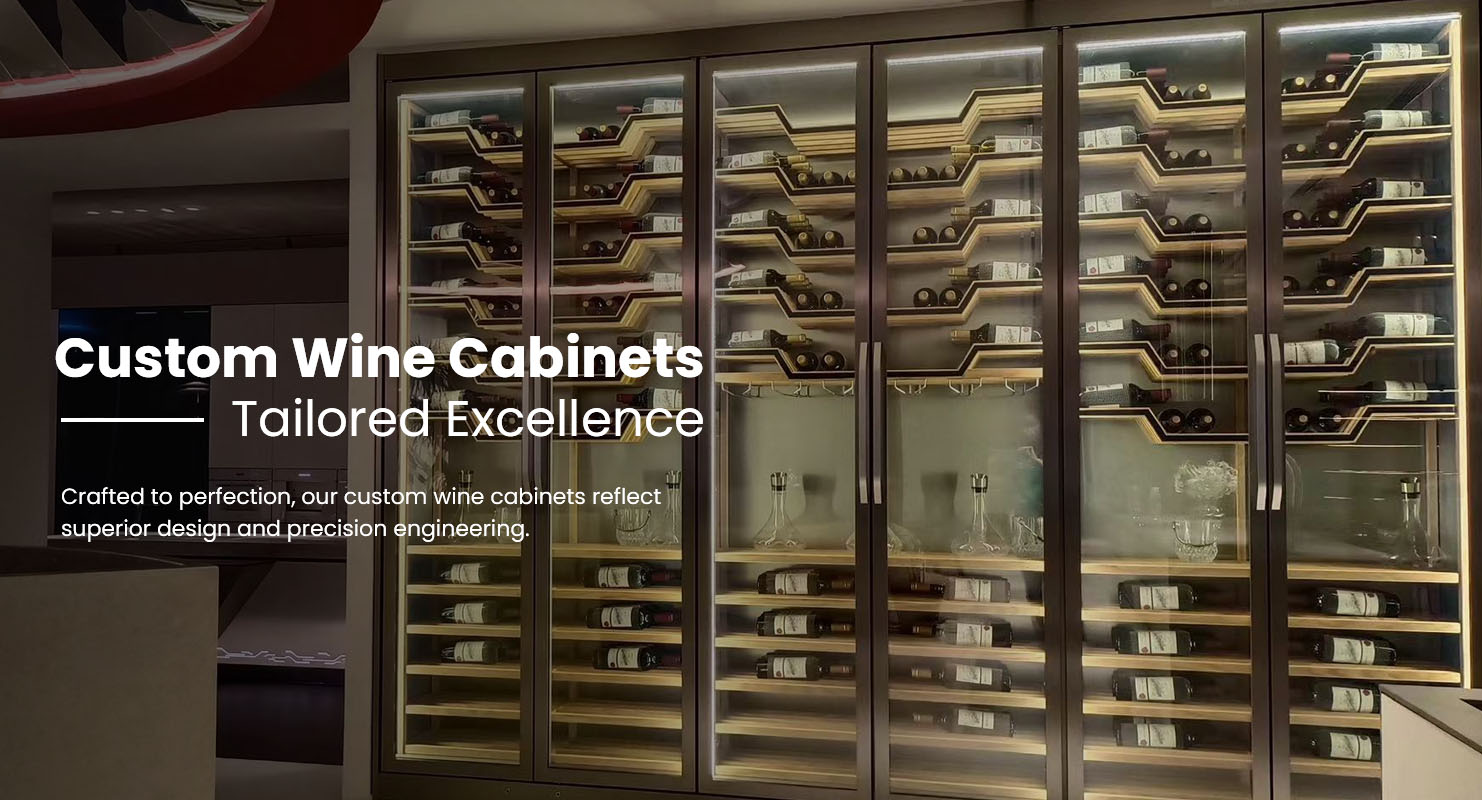
How To Build A Basic Wine Cellar
Building a basic wine cellar starts with one rule: stability matters more than extreme cold. Purdue Extension states that wine is traditionally stored at 10 to 16°C, while other professional cellar guidance places the best long-term range around 12 to 15°C with about 55 to 70 percent humidity. That is why a basic cellar is not just a cool room. It needs insulation, sealing, controlled airflow, and dependable temperature management.
Start With The Room Envelope
The first step is to choose a space that can hold stable conditions. Walls and ceilings need proper insulation, and the vapor barrier must be planned correctly to reduce moisture migration and condensation risk. Wine Guardian explains that closed-cell spray foam can work as both insulation and vapor barrier, while other cellar guidance stresses that the vapor barrier should be on the warm side of the wall assembly. For many builds, insulation levels around R-19 in walls and R-30 in ceilings are commonly recommended.
Basic Cellar Build Checklist
| Item | Basic Requirement |
|---|---|
| Temperature | 10 to 16°C |
| Humidity | 55 to 70% |
| Insulation | Stable wall and ceiling protection |
| Vapor control | Warm-side barrier or closed-cell foam |
| Door sealing | Airtight fit |
| Cooling | Matched to cellar size |
A cellar that misses any of these points usually struggles with temperature swing, condensation, or excess energy use.
Why Manufacturer Vs Trader Matters
For project sourcing, manufacturer vs trader affects the final result. A trader may only supply a finished unit, but a manufacturer can review cabinet dimensions, cooling match, door structure, airflow path, and installation conditions before production begins. WINTON presents itself as a Wine Cooler and wine cabinet manufacturer with integrated insulation foaming, air-circulation engineering, and OEM and ODM support, which is more useful for custom cellar programs and repeat orders.
OEM And ODM Process For Cellar Projects
A practical OEM and ODM process usually includes drawing confirmation, sample validation, mass production, and final inspection. In a basic wine cellar project, this process should also cover shelf layout, voltage options, cooling capacity, glass door selection, logo details, and packaging method. For bulk supply considerations, this reduces mismatch risk and helps keep every unit consistent across the full order. WINTON’s published product and project materials highlight customization support for branded and channel-specific programs.
Manufacturing Process, Quality Control, And Compliance
A strong cellar solution depends on manufacturing process overview and quality control checkpoints. WINTON emphasizes insulated cabinet engineering, structured air circulation, and controlled humidity solutions in its cellar-related content. In sourcing terms, that means buyers should confirm foaming quality, seal testing, temperature calibration, electrical safety, and final operating checks. Export market compliance should also be reviewed early, especially for CE, CB, RoHS, ETL, and destination-specific energy requirements.
Final Thought
To build a basic wine cellar, start with the envelope, then match the cooling system, door sealing, and storage layout to stable cellar conditions. Wenteng’s value is that it operates as a manufacturer with OEM and ODM capability, integrated production logic, and project-level quality control, which makes custom development, bulk supply, and export preparation more reliable from the beginning.