

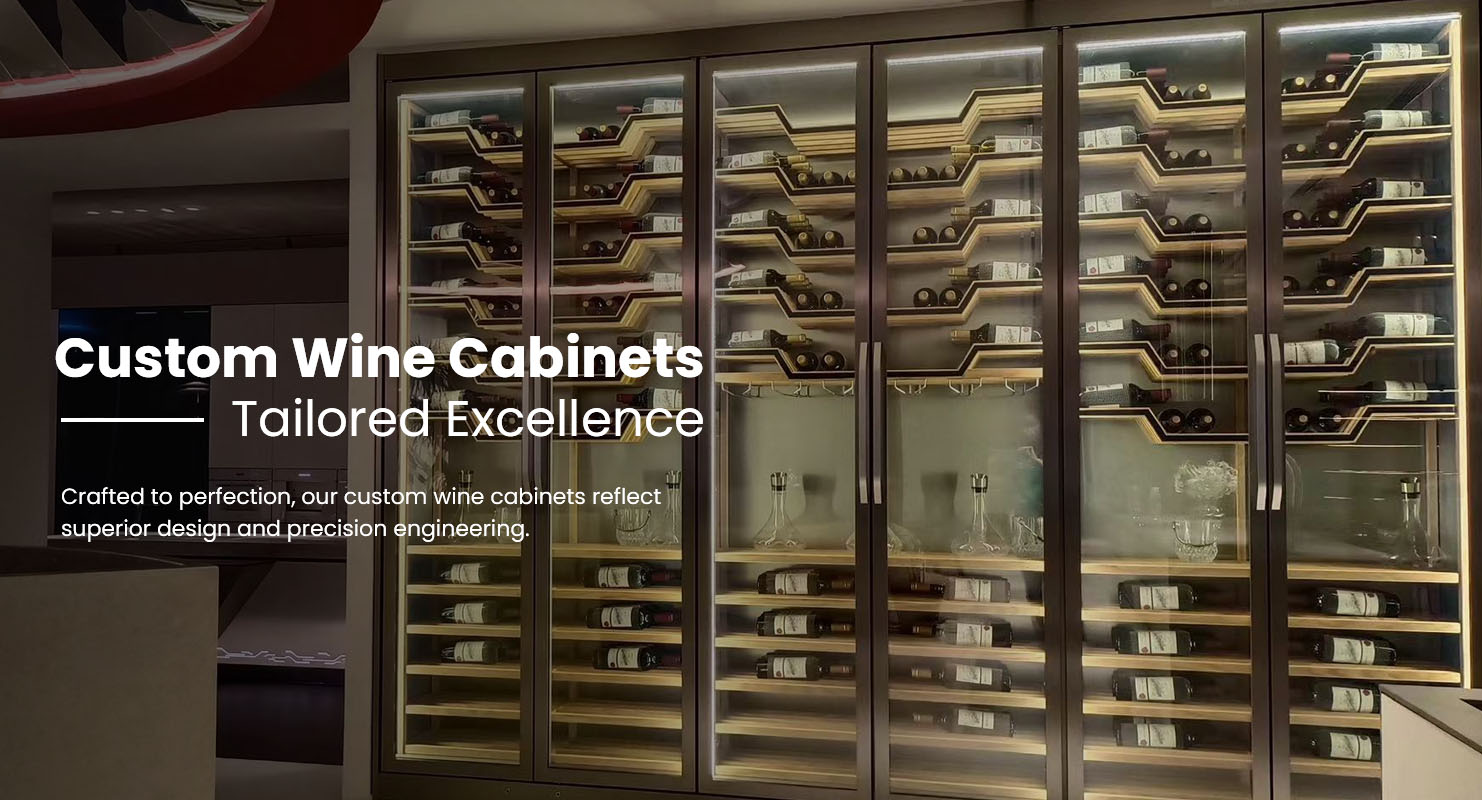
How To Build A Mini Wine Cellar
A mini wine cellar starts with control, not just size. Long-term wine storage works best at 10 to 15°C, and steady conditions matter more than occasional cooling. WSET recommends controlled storage at 10 to 15°C, while Purdue Extension notes traditional cellar storage at 10 to 16°C. For compact projects, that means the enclosure, cooling path, and internal layout must be planned together from the beginning.
Start With A Sealed And Insulated Space
Even a small cellar needs an insulated envelope. The wall, ceiling, door seal, and moisture barrier all affect performance. A mini layout often fails when the space is treated like a normal cabinet or pantry. Stable wine storage also depends on humidity control, commonly around 55 to 75 percent, which helps protect cork condition and reduces premature aging risk.
| Item | Basic target for a mini wine cellar |
|---|---|
| Temperature | 10 to 15°C |
| Humidity | 55 to 75% |
| Door sealing | Tight and low leakage |
| Structure | Insulated wall and ceiling |
| Cooling | Sized to the enclosure |
Build Around The Cooling System
A mini wine cellar still needs a true wine cellar cooling logic. Wenteng explains that custom cellar projects should confirm cooling load, ventilation clearance, noise level, ambient operating range, and door seal leakage before final specification. This is especially important in small spaces, where temperature swing happens faster and poor airflow affects every bottle position more quickly.
Why Manufacturer Vs Trader Matters
For compact cellar projects, manufacturer vs trader has a direct effect on consistency. A trader may only quote a finished unit, but a manufacturer can review cabinet dimensions, cooling match, electrical configuration, and installation conditions before production. Wenteng’s published process highlights temperature stability validation, door seal leakage testing, compressor performance verification, noise testing, electrical safety inspection, and extended operational testing. That gives better control over real project performance.
OEM And ODM Process For Mini Cellar Programs
In OEM and ODM projects, a mini cellar should be confirmed at drawing stage. Capacity, shelving layout, door opening direction, voltage, branding details, and packaging all need to be locked before production. This is important for bulk supply considerations because small custom units are often ordered in repeat batches for apartments, hotels, retail corners, and residential projects. A clear project sourcing checklist reduces revision cost and improves delivery consistency.
Quality Control, Materials, And Export Compliance
A reliable mini cellar depends on material standards used in insulation, sealing, structural panels, and electrical systems. Wenteng also notes export market compliance points such as CE, CB, RoHS, ETL, and regional energy requirements where needed. For buyers handling overseas distribution, that support is more practical than sourcing from a non-manufacturing middle layer.
Final Thought
To build a mini wine cellar, start with a sealed insulated enclosure, then match it with a properly engineered cooling system and verified quality process. Wenteng’s advantage lies in its manufacturer-based approach, with OEM and ODM support, structured quality control checkpoints, and export compliance readiness, making compact cellar projects easier to standardize and scale.