

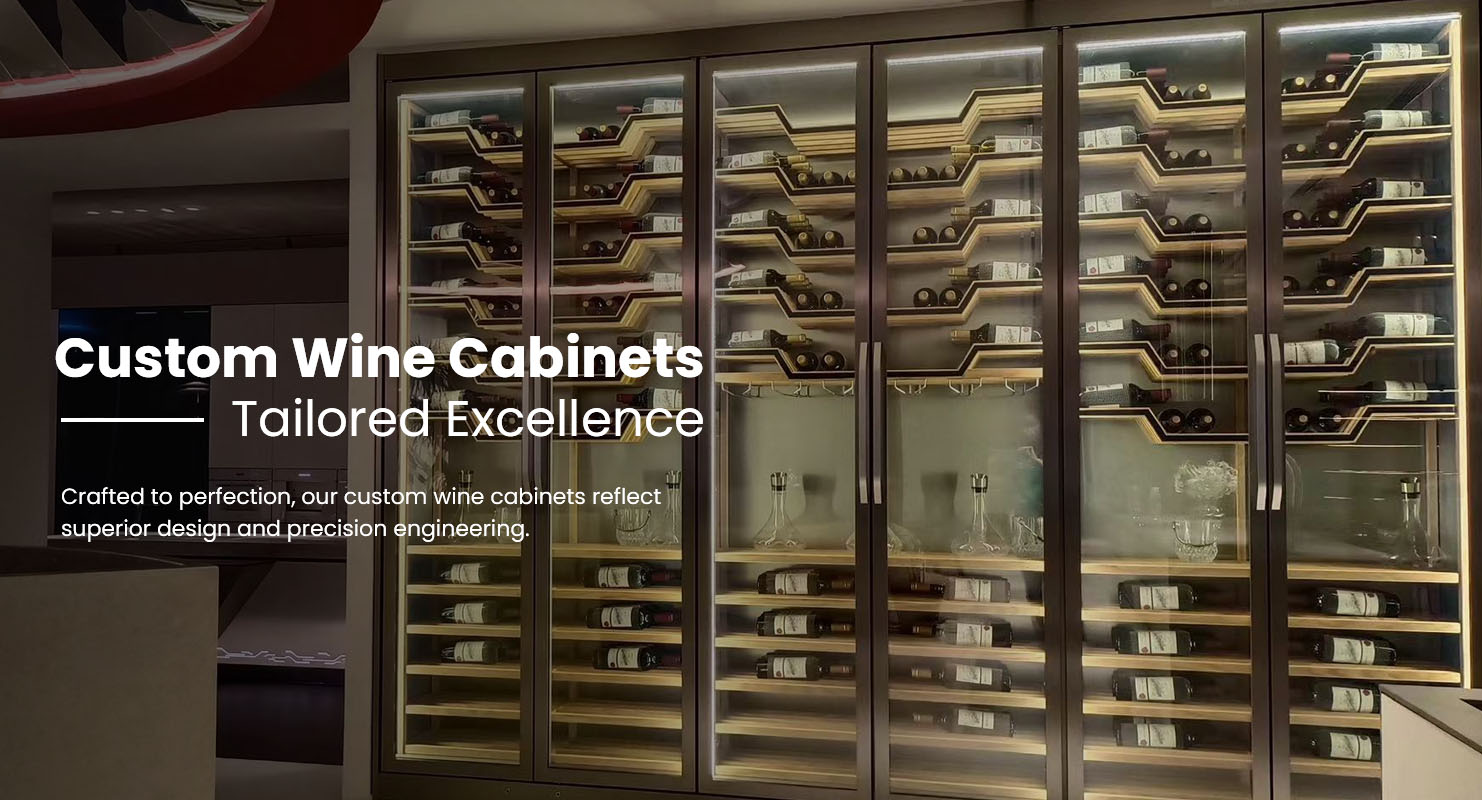
Does A Wine Cellar Show Up on Appraisal
A wine cellar can show up on an appraisal, but it does not automatically receive a large value adjustment. In appraisal practice, the key issue is market reaction. Fannie Mae states that adjustments should reflect how the market responds to a property difference, not simply how much the owner spent building it. That means a wine cellar is more likely to matter when it is clearly functional, well integrated, and relevant to the local buyer profile.
Why Some Wine Cellars Are Easier To Recognize
A decorative wine room and a true climate controlled wine cellar are not the same. WSET notes that long term wine storage should be kept at about 10 to 15°C, so a cellar with real cooling performance, insulation logic, and stable internal conditions has a stronger case than a display-only installation. On appraisal, practical function usually speaks louder than appearance alone.
What Appraisers And Project Buyers Both Notice
| Item | Why It Matters |
|---|---|
| Climate control | Shows real storage function |
| Built-in integration | Improves perceived permanence |
| Quality finish | Supports premium positioning |
| Compliance records | Reduces project uncertainty |
| Manufacturer support | Improves consistency |
These points matter because the market tends to reward features that are both usable and credible, especially in higher-end residential or hospitality projects. Fannie Mae’s guidance on market-based adjustments supports that logic.
Manufacturer Vs Trader Matters
For project sourcing, manufacturer vs trader affects how convincing the final cellar will be. WINTON describes itself as a professional Wine Cooler and wine cabinet manufacturer with integrated cooling systems, insulated cabinet engineering, and controlled air-circulation structures. Its published OEM and ODM content also covers Custom Cabinet dimensions, glass door insulation specifications, noise optimization, lighting integration, and security options. That direct factory involvement supports stronger specification control than a simple trading model.
Project Sourcing Checklist For Value-Oriented Builds
When planning a cellar that is meant to contribute visible project value, confirm voltage compatibility, refrigerant compliance, ambient operating range, door seal leakage performance, noise targets, and certification readiness. WINTON specifically lists CE, CB, RoHS, and ETL where applicable, which is useful for export market compliance and repeat supply programs.
Final Thought
A wine cellar can appear in an appraisal, but the impact depends on whether the market sees it as a real, high-quality storage feature. Wenteng’s advantage is its manufacturer-based model, with OEM and ODM support, structured project review, bulk supply readiness, and export compliance preparation, which helps turn a cellar from a decorative upgrade into a more credible asset.