
How Much Does A Glass Enclosed Wine Cellar Cost
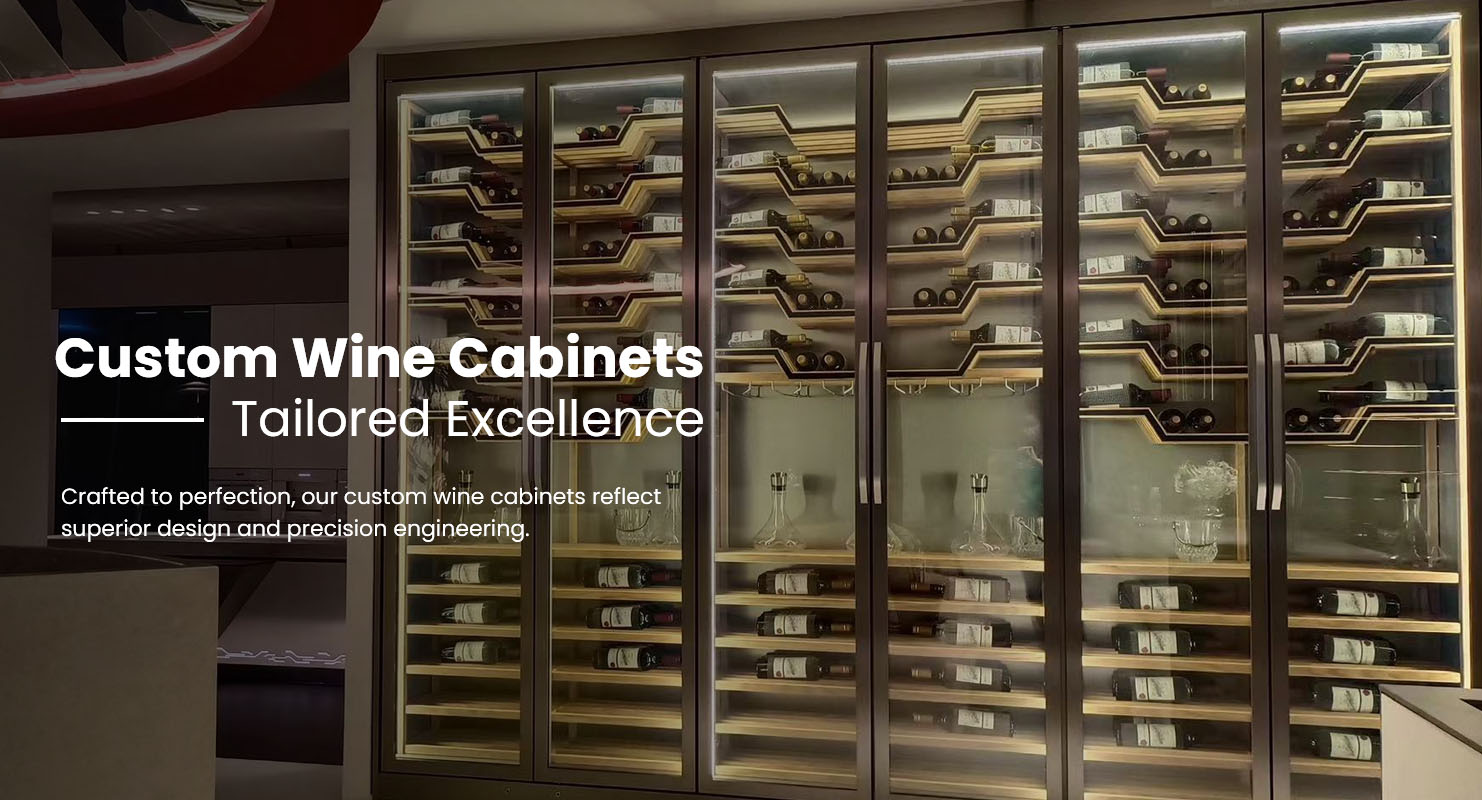
A glass enclosed wine cellar usually costs more than a standard enclosed cellar because the project must balance appearance, insulation, sealing, and cooling performance at the same time. Recent pricing references place a general wine cellar build at about 15,000 to 60,000 dollars, while glass wine cellars are often around 18,000 to 55,000 dollars or more depending on size, glass area, and customization level. In real projects, the final cost is shaped less by one material alone and more by engineering complexity.
What Drives The Cost Up
Glass increases both visual value and technical demands. A climate controlled cellar should generally hold wine around 10 to 15°C, so large transparent surfaces need better thermal control than ordinary room partitions. WINTON also notes that insulated cellar projects require closed-cell insulation, correctly placed vapor barriers, sealed penetrations, insulated doors, and properly sized cooling equipment. When glass is added, door sealing, heat transfer, and compressor load all become more critical.
| Cost factor | Why it matters |
|---|---|
| Glass area | More heat gain and stricter sealing needs |
| Door structure | Insulated glass and gasket quality affect stability |
| Cooling system | Capacity must match enclosure load |
| Interior finish | Shelving, lighting, and frame materials raise cost |
| Custom engineering | Drawings, samples, and installation details add time |
Manufacturer Vs Trader
For glass cellar projects, manufacturer vs trader directly affects cost control. A trader may quote by appearance, but a manufacturer can review cooling load, insulation logic, airflow path, glass door performance, and installation conditions before production starts. WINTON describes direct factory strengths including bending, welding, foaming, and testing equipment, plus structured compressor installation and temperature calibration validation. That usually reduces specification mismatch and lowers hidden after-sales cost.
OEM And ODM Process
In OEM and ODM projects, cost should be reviewed from drawing stage, not after sampling. WINTON states that custom cellar work commonly moves through drawing confirmation in 1 to 2 weeks, sample validation in 2 to 4 weeks, mass production in 4 to 8 weeks, and final commissioning and testing in 1 to 2 weeks. For bulk supply considerations, this process helps lock cabinet size, glass specification, temperature range, branding, and packaging before volume production.
Project Sourcing Checklist
Before approving a glass enclosed wine cellar, confirm the cooling target, glass insulation level, door seal leakage, ambient operating range, noise target, voltage compatibility, and certification readiness. WINTON also highlights export market compliance points such as CE, CB, RoHS, and ETL where applicable. These checkpoints matter because a beautiful glass display has limited value if the system cannot hold stable cellar conditions in real use.
Final Thought
A glass enclosed wine cellar often starts in the upper five-figure range and can rise quickly with larger glass surfaces, custom finishes, and stricter cooling demands. Wenteng’s advantage is that it works as a manufacturer with OEM and ODM capability, integrated foaming insulation, insulated glass door options, quality control checkpoints, and export-ready compliance support, which makes custom glass cellar projects more predictable in both cost and performance.