
How Do You Seal A Glass Wine Cellar
Sealing a glass wine cellar is not only about closing gaps around the glass. It is about creating a stable storage chamber where temperature, humidity, light, and air exchange can be controlled. For long-term wine storage, WSET guidance recommends a cool and steady 10°C to 15°C environment, because frequent temperature changes can affect cork performance and wine development.
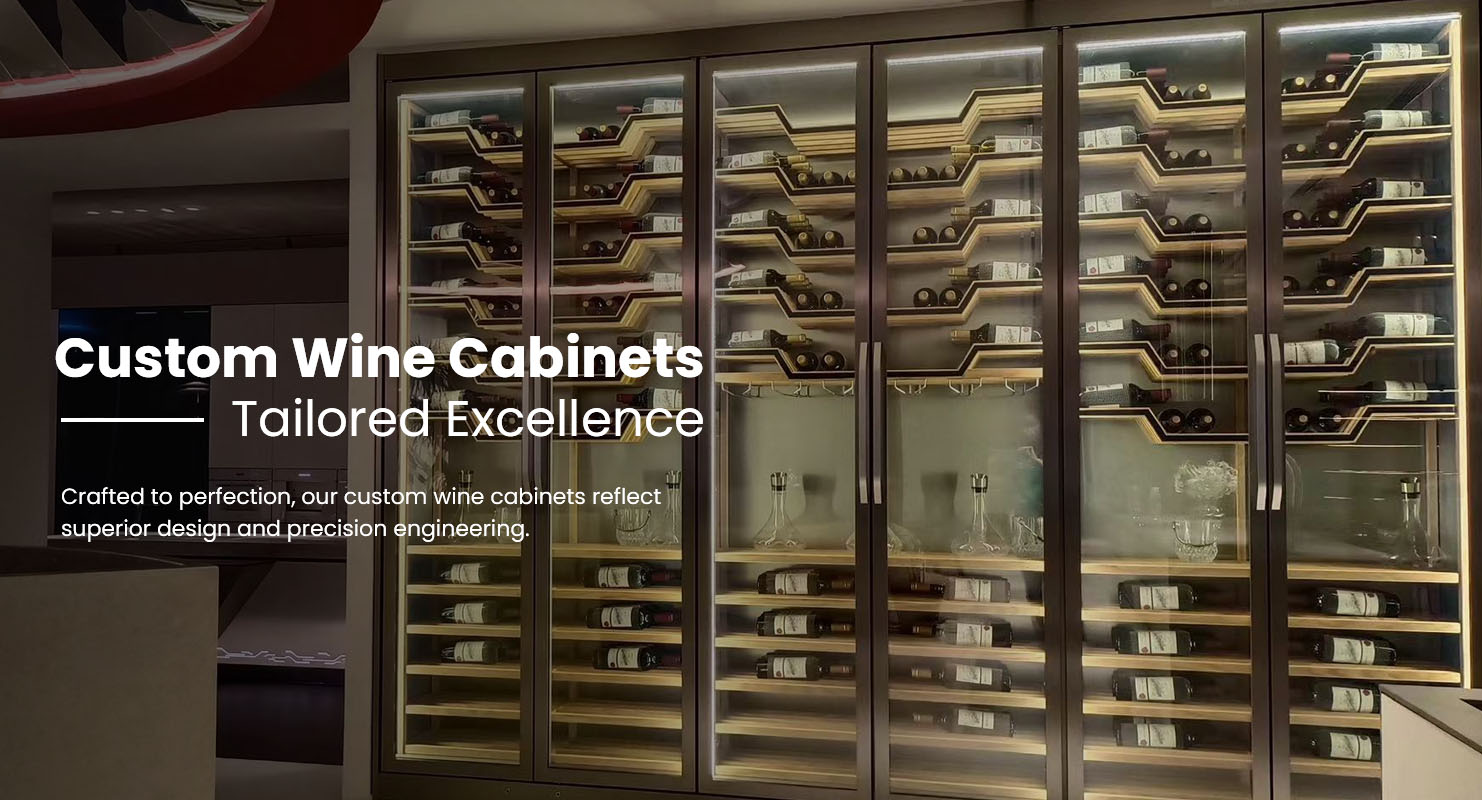
The first step is choosing the right glass. Standard single glass is not suitable for a glass wine cellar because it allows heat transfer too easily. A better choice is double-layer insulated tempered glass with proper UV protection. Winton wine cellars use UV protective glass doors, and our Wine Cooler cabinets also use double-layer hollow tempered glass to support insulation and visual display.
The second step is sealing the frame. The glass panels should connect tightly with stainless steel or aluminum alloy frames, while all joints need professional sealing strips and neutral silicone sealant. Corners, door edges, hinges, floor gaps, and ceiling connections are common leakage points. Even a small air leak can make the cooling system work harder, especially in hotels, restaurants, villas, clubs, and wine display rooms.
Sealing Area | Professional Advice
Glass joints | Use neutral sealant with clean edge finishing
Door frame | Add magnetic or compression sealing strips
Floor connection | Seal moisture gaps before cabinet installation
Ceiling edge | Prevent warm air from entering from above
Hardware area | Check hinges and handles after installation
Humidity also needs attention. Many wine storage references place ideal cellar humidity around 50% to 70%, helping corks stay in good condition while reducing the risk of label damage. For a sealed glass wine room, poor sealing may cause unstable humidity, condensation on glass, or higher cooling load. This is why sealing and cooling design should be planned together, not treated as separate jobs.
Winton can provide Custom Wine Cellar support based on room size, bottle capacity, glass area, voltage, installation site, and display style. Our 100 bottle wine fridge can hold about 101 standard bottles, with 270L volume, 5°C to 20°C temperature range, double-layer hollow tempered glass, and 9 to 14 wooden shelves. For larger commercial wine cellar projects, our team can review drawings and suggest suitable structure, cooling, shelving, and sealing methods before production.
A well-sealed glass wine cellar should look elegant, but its real value comes from stability. When the glass, frame, door seal, insulation, and cooling system work together, the cellar becomes easier to maintain and more reliable for long-term wine storage. Send us your project layout, required bottle capacity, and installation conditions, and our team can help match a practical sealed glass wine cellar solution.
Previous: How Do You Stock A Wine Cellar