
How Do You Insulate A Wine Cellar
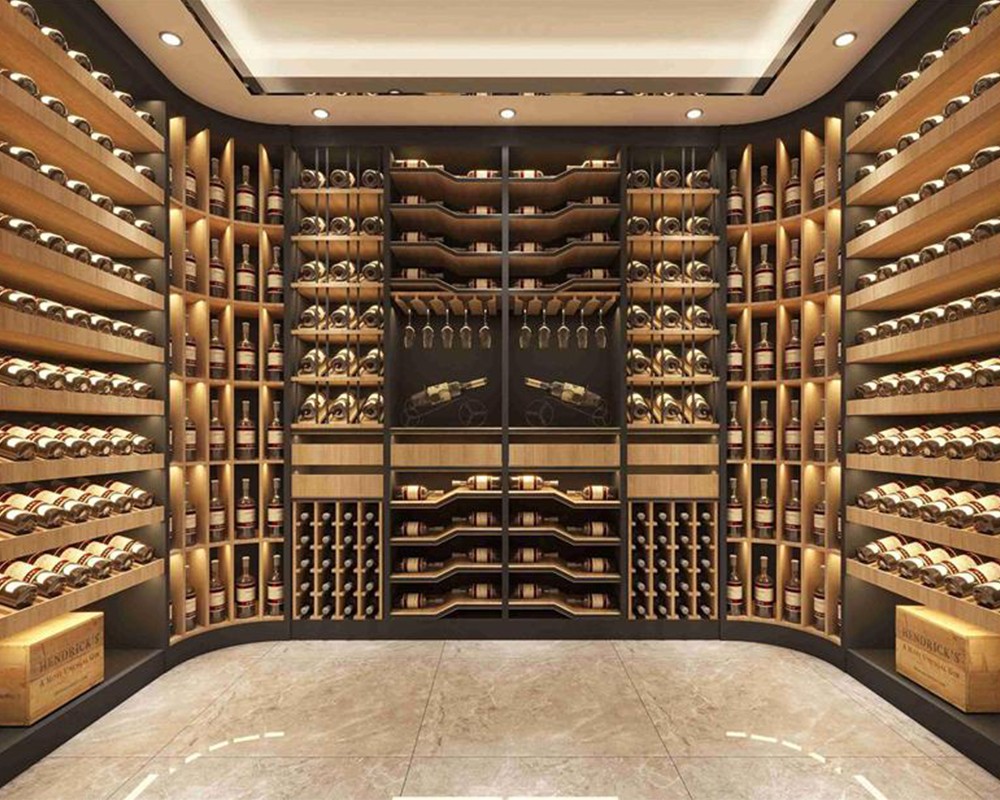
How Do You Insulate A wine cellar starts with one key idea: insulation must create a stable storage chamber, not only a colder room. Wine needs controlled temperature, limited heat transfer, proper sealing, and low light exposure. WSET wine education guidance recommends long-term wine storage at about 10°C to 15°C, because steady temperature helps protect wine quality during aging.
The first step is checking the wall, ceiling, floor, door, and glass area. Concrete walls, wooden doors, ceiling gaps, and exposed glass can all transfer heat into the cellar. A vapor barrier and insulation layer should be added before racks, lighting, and decoration are installed. This helps reduce cooling loss and keeps the wine storage system more efficient.
Insulation Area / Professional Suggestion / Purpose
Wall / Add vapor barrier and insulation board / Reduces heat and moisture transfer
Ceiling / Seal upper gaps carefully / Prevents warm air from entering
Floor / Check moisture before finishing / Protects bottles, shelves, and structure
Door / Use insulated door or tight sealing strips / Reduces air leakage
Glass / Choose double-layer insulated glass / Improves display and thermal control
Humidity should also be planned with insulation. Many professional wine cellar guides recommend around 50% to 70% relative humidity to help protect cork condition and reduce drying risk. Poor insulation can cause condensation, unstable humidity, and higher energy use, especially in glass wine cellar projects or display rooms.
Winton supports Custom Wine Cellar and Wine Cooler cabinet projects with factory-level structure planning. Our wine cabinets use integrated foaming for insulation, back evaporator and air cooling for even temperature, double-layer glass doors, copper evaporator options, 304 stainless steel, and flame-resistant PVC components. These details help improve temperature stability, cooling performance, and long-term cabinet reliability.
For compact projects, our wine cooler cabinet can provide controlled storage without building a full room. For hotels, villas, restaurants, clubs, and wine display spaces, our team can review drawings, room size, bottle capacity, voltage, glass area, and installation conditions before production. This allows the cellar insulation, cooling equipment, shelving, and appearance to match the actual site.
A well-insulated wine cellar reduces temperature fluctuation, lowers cooling pressure, and creates a better environment for long-term wine storage. Send us your room layout and bottle plan, and Winton can help provide a practical custom wine cellar solution for stable preservation and elegant display.
Previous: Does Wine Cellar Show Up On Appraisal