
How Much Is A Glass Wine Cellar
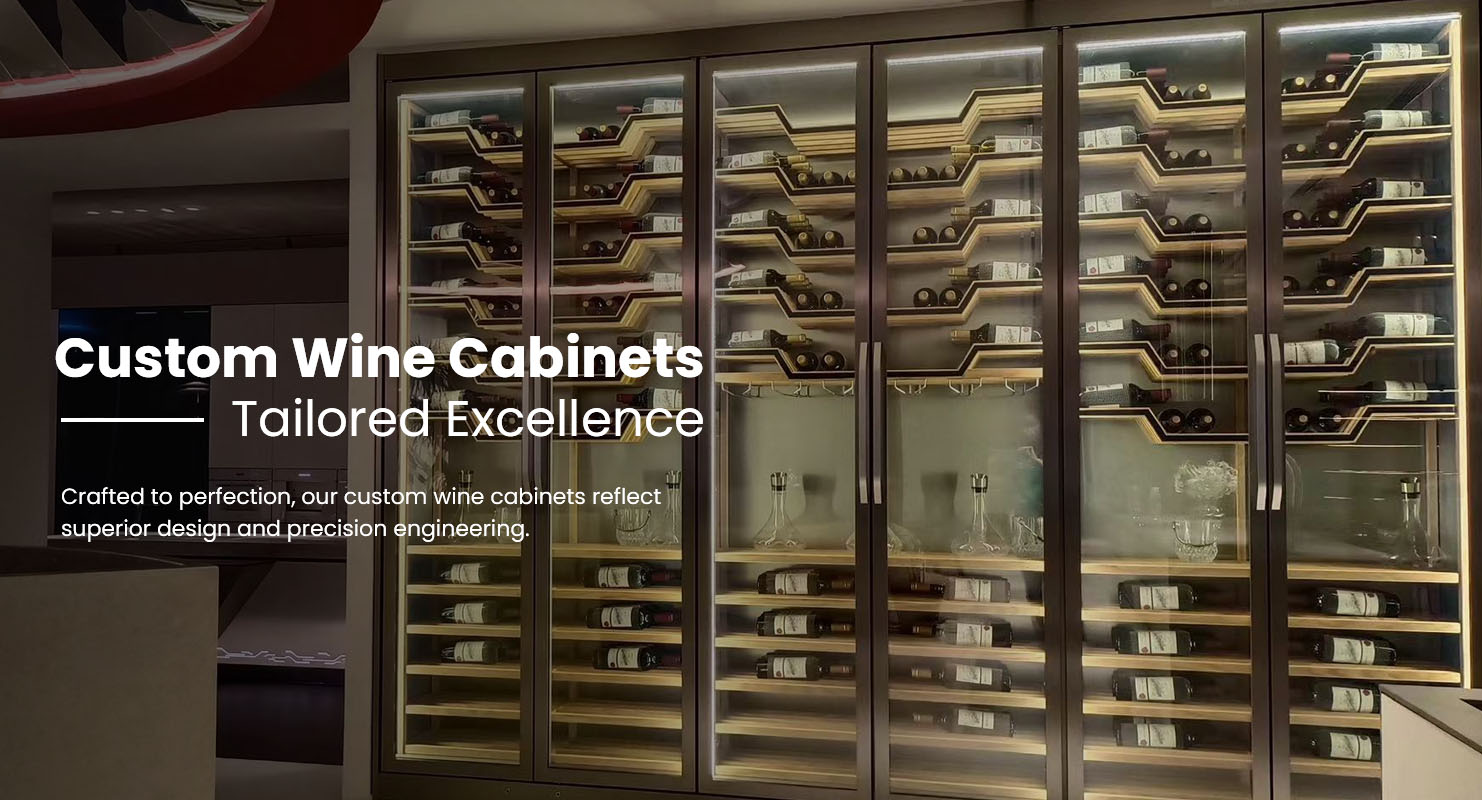
A glass wine cellar combines wine preservation with modern interior design, creating a storage environment that also works as a visual display feature. Compared with traditional hidden wine storage spaces, glass wine cellars allow collections to become part of residential, hospitality, and commercial environments.
From a manufacturer’s perspective, the cost of a glass wine cellar depends on multiple factors, including glass structure, cooling technology, cabinet size, insulation performance, materials, and customization requirements.
A professional glass wine cellar is not simply a transparent cabinet. It requires precise temperature control, humidity management, suitable glass materials, and reliable manufacturing processes to protect wine quality.
According to professional wine storage recommendations, wine is generally stored in an environment around 10°C to 15°C with humidity maintained between 60% and 70%. A well-designed glass wine cellar must balance visibility with stable storage conditions.
Main Factors Affecting Glass Wine Cellar Cost
The price of a glass wine cellar varies according to project requirements.
| Cost Factor | Influence On Cost |
|---|---|
| Glass structure | Determines insulation performance and appearance |
| Storage capacity | Affects cabinet size and cooling requirements |
| Cooling system | Influences temperature stability |
| Cabinet materials | Affects durability and design style |
| Custom design | Increases engineering requirements |
| Installation environment | Changes technical solutions |
A small glass wine cabinet for residential use and a large commercial glass wine cellar require different designs and manufacturing processes.
Glass Design And Wine Preservation Requirements
Glass is an important design element in modern wine storage solutions, but it also creates technical challenges.
A high-quality glass wine cellar should include:
Insulated glass doors
UV protection
Stable temperature control
Proper sealing structure
Efficient cooling performance
Double-layer hollow tempered glass is commonly used because it improves insulation while maintaining visibility.
WENTENG specializes in research and development, production, and sales of high-end wine cabinets and Cigar Cabinets. The company develops customized wine storage solutions that combine premium design with temperature and humidity control technology. (WENTENG)
For projects requiring elegant glass display and stable storage performance, the Top Rated Wine Coolers feature double-layer hollow tempered glass doors and temperature-controlled storage design. (WENTENG)
Cooling System Impact On Glass Wine Cellar Cost
The cooling system is one of the most important components affecting investment.
A professional glass wine cellar requires:
Temperature Control
Wine quality depends on stable temperature rather than frequent changes.
Humidity Management
Humidity control helps protect corks and prevent storage issues.
Low Vibration Operation
Reducing vibration helps maintain a stable wine environment.
Energy Efficiency
Efficient cooling technology reduces long-term operating costs.
Different applications require different cooling solutions depending on storage volume and installation conditions.
Manufacturing Process Overview Of Glass Wine Cellars
The quality of a glass wine cellar depends heavily on manufacturing capability.
A professional production process includes:
Product design
Glass structure development
Cabinet manufacturing
Metal processing
Insulation installation
Cooling system assembly
Electrical testing
Final inspection
Quality control checkpoints include:
| Production Stage | Inspection Focus |
|---|---|
| Glass inspection | Check strength and appearance |
| Cabinet assembly | Ensure structural accuracy |
| Cooling test | Verify temperature stability |
| Electrical test | Confirm safety |
| Final inspection | Maintain product consistency |
WENTENG has production equipment including shearing, bending, grooving, foaming, welding, and testing equipment to support complete wine cabinet manufacturing processes. (WENTENG)
Material Standards Used In Glass Wine Cellars
Material selection directly affects performance and durability.
| Material | Function |
|---|---|
| Tempered glass | Provides safety and insulation |
| Stainless steel | Improves durability and premium appearance |
| Wooden shelves | Protect wine bottles |
| Insulation materials | Maintain temperature stability |
WENTENG wine cabinets use double-layer hollow tempered glass doors, stainless steel structures, and optimized designs to improve insulation performance and appearance quality. (WENTENG)
Manufacturer Vs Trader For Glass Wine Cellar Projects
Choosing a direct manufacturer provides advantages in customization and quality management.
A professional glass wine cellar manufacturer can provide:
Engineering support
Custom product development
Production monitoring
Material control
Quality inspection
Manufacturers with their own production capabilities can better manage product consistency from design to final assembly.
OEM And ODM Process For Custom Glass Wine Cellars
Glass wine cellar projects often require customized dimensions, finishes, storage capacity, and installation methods.
A professional manufacturer can support:
Glass door customization
Cabinet size adjustment
Interior shelf design
Cooling system selection
Appearance development
The OEM and ODM process usually includes:
Requirement analysis
Product design
Engineering confirmation
Prototype evaluation
Production and quality testing
This approach helps create wine storage solutions suitable for luxury homes, restaurants, hotels, and commercial spaces.
Project Sourcing Checklist For Glass Wine Cellars
Before selecting a supplier, important considerations include:
| Evaluation Item | Purpose |
|---|---|
| Glass quality | Ensure safety and insulation |
| Cooling technology | Maintain stable storage |
| Factory capability | Support customization |
| Quality system | Reduce production risks |
| Export experience | Support global delivery |
WENTENG provides customized wine storage solutions with integrated production capabilities for international markets. (WENTENG)
Export Market Compliance And Product Reliability
Glass wine cellars combine refrigeration systems, electrical components, and structural materials. Professional manufacturers must manage:
Electrical safety requirements
Material compliance
Refrigeration testing
Product inspection
Packaging protection
These processes help ensure reliable performance in different climates and applications.
Understanding The Investment In A Glass Wine Cellar
The cost of a glass wine cellar depends on design complexity, storage capacity, cooling technology, materials, and manufacturing requirements.
A successful glass wine storage solution requires a balance between appearance and functionality. Professional engineering, reliable materials, and strict quality control ensure that the wine cellar provides both elegant display and long-term preservation.
With integrated R&D, manufacturing capabilities, and customized wine cabinet experience, WENTENG provides glass wine cellar solutions designed for residential, hospitality, and commercial applications worldwide.