
How Much To Make A Wine Cellar
Making a wine cellar is a customized process that combines storage technology, interior design, and professional manufacturing. The total investment depends on many factors, including storage capacity, cooling system, materials, insulation requirements, customization level, and application environment.
From a manufacturer’s perspective, making a wine cellar is not simply building shelves for bottles. A professional wine storage solution requires precise temperature control, humidity management, proper airflow, and reliable structural design.
According to professional wine storage recommendations, wine is generally stored in conditions around 10°C to 15°C with humidity levels between 60% and 70%. Maintaining these conditions requires suitable equipment and professional engineering.
Main Factors That Determine Wine Cellar Making Cost
The cost of making a wine cellar varies based on project requirements.
| Cost Factor | Impact On Investment |
|---|---|
| Storage capacity | Larger collections require more equipment |
| Cooling technology | Determines environmental stability |
| Materials | Influences durability and appearance |
| Cabinet structure | Affects manufacturing complexity |
| Custom design | Increases engineering requirements |
| Installation environment | Changes technical solutions |
A compact residential wine cellar and a large commercial wine storage project require different approaches.
Choose Between Built-in Wine Cellar And Wine Cabinet Solution
Traditional wine cellars usually require dedicated rooms, insulation systems, and professional cooling installation.
They are suitable for:
Luxury residences
Hotels
Restaurants
Wine clubs
Large private collections
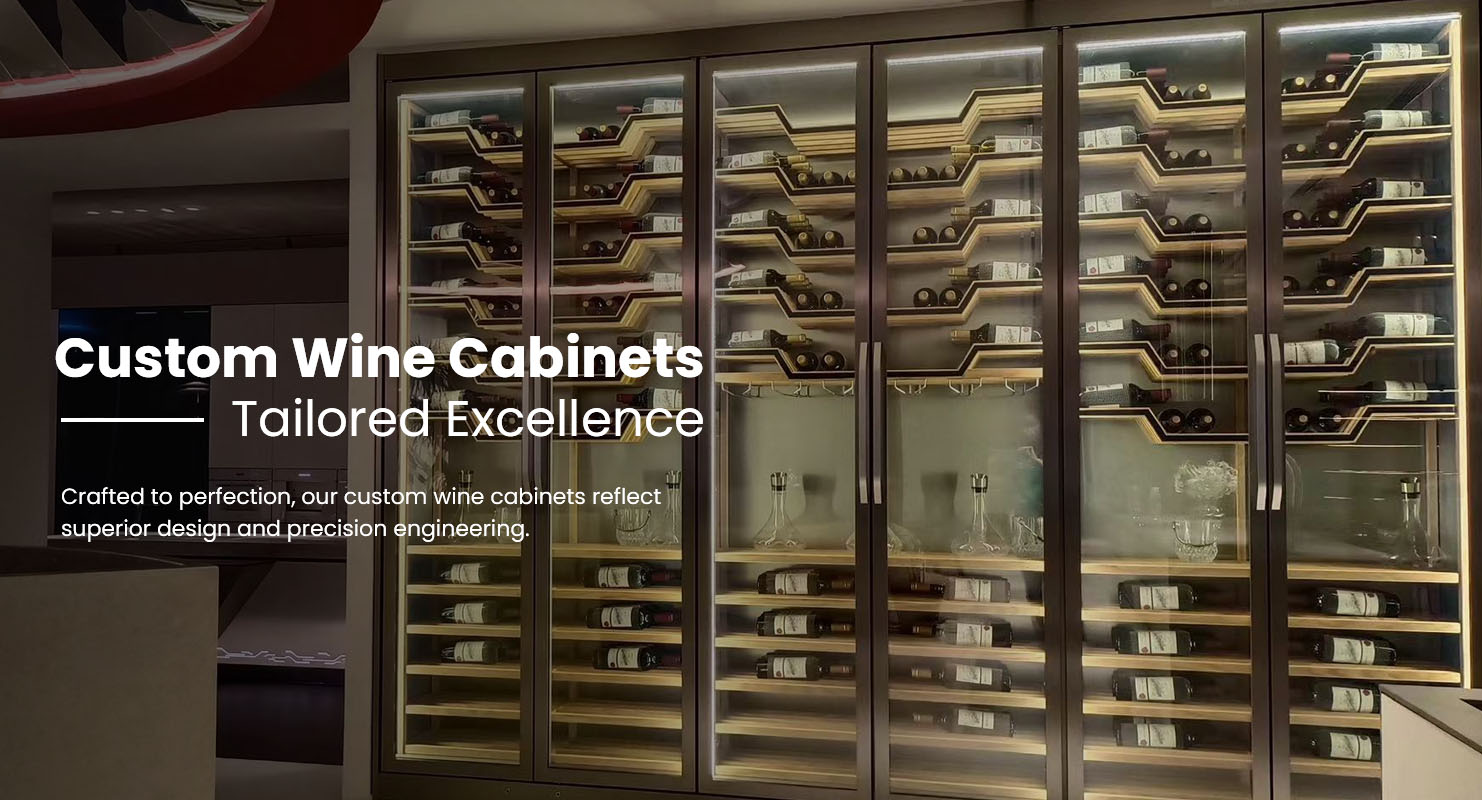
A customized wine cabinet provides another efficient option by integrating storage structure and cooling technology into one solution.
Benefits include:
Space flexibility
Independent temperature control
Easier installation
Lower maintenance requirements
Modern appearance
WENTENG specializes in research and development, production, and sales of high-end wine cabinets and Cigar Cabinets. The company provides customized wine storage solutions combining design, manufacturing, and environmental control technology.
For large storage requirements, the 270L Smart Wine Cabinet provides temperature control between 5°C and 20°C with storage capacity for up to 101 standard wine bottles.
Cooling Technology Affects Wine Cellar Performance
The cooling system is a key component when making a wine cellar.
A reliable cooling solution should provide:
Stable Temperature Control
Wine requires consistent storage conditions. Frequent temperature changes may affect long-term preservation.
Humidity Management
Balanced humidity helps protect corks and maintain bottle conditions.
Quiet Operation
Low-noise performance is important for residential and hospitality environments.
Energy Efficiency
Efficient systems help reduce operating costs over time.
The correct cooling system depends on cellar size, storage requirements, and installation conditions.
Manufacturing Process Of Wine Cellar Solutions
Professional manufacturing ensures long-term reliability.
The production process includes:
Product design
Material selection
Cabinet processing
Insulation foaming
Cooling system installation
Electrical assembly
Performance testing
Final inspection
Quality control checkpoints include:
| Production Stage | Inspection Focus |
|---|---|
| Material inspection | Verify durability |
| Cabinet assembly | Ensure structural accuracy |
| Cooling testing | Confirm temperature performance |
| Electrical testing | Improve safety |
| Final inspection | Maintain consistency |
WENTENG has production equipment including shearing, bending, grooving, foaming, welding, and testing equipment to support complete wine cabinet manufacturing processes.
Material Standards Used In Wine Cellar Manufacturing
Material selection directly influences performance and appearance.
| Material | Function |
|---|---|
| Tempered glass | Improves insulation and display |
| Stainless steel | Provides durability and premium appearance |
| Wooden shelves | Protect wine bottles |
| Insulation materials | Maintain stable temperature |
High-quality materials help wine cellars achieve better insulation performance and longer service life.
Manufacturer Vs Trader For Wine Cellar Production
Choosing a direct manufacturer provides stronger control over customization and quality.
A professional wine cellar manufacturer can provide:
Direct engineering communication
Product customization
Production monitoring
Material control
Quality inspection
Manufacturers with complete production capabilities can manage the process from initial design to finished products.
OEM And ODM Process For Custom Wine Cellars
Many wine cellar projects require customized designs based on space and usage requirements.
A professional manufacturer can support:
Custom dimensions
Storage layout development
Cooling system selection
Exterior design
Special project requirements
The OEM and ODM process usually includes:
Requirement analysis
Product design
Engineering confirmation
Prototype evaluation
Production and testing
This process helps create solutions suitable for different residential and commercial applications.
Project Sourcing Checklist Before Making A Wine Cellar
Before selecting a wine cellar manufacturer, consider:
| Evaluation Item | Purpose |
|---|---|
| Factory capability | Support customized production |
| Cooling technology | Maintain stable storage |
| Quality management | Reduce production risks |
| Material options | Match design requirements |
| Export experience | Support international delivery |
WENTENG develops customized wine storage solutions with integrated manufacturing capabilities for global markets.
Export Market Compliance And Product Reliability
Wine cellars combine refrigeration systems, electrical components, and structural materials. Professional manufacturers must consider:
Electrical safety requirements
Refrigeration performance
Material compliance
Product testing
Packaging protection
Strict quality management helps ensure stable operation across different regions.
Understanding The Investment Of Making A Wine Cellar
The cost of making a wine cellar depends on design complexity, storage capacity, cooling technology, materials, and customization requirements.
A professional wine cellar solution requires more than attractive design. It requires stable environmental control, reliable manufacturing processes, suitable materials, and strict quality management.
With integrated R&D, production capabilities, and customized wine storage experience, WENTENG provides reliable wine cellar solutions for residential, hospitality, and commercial applications worldwide.