
How To Design Wine Cellar?
A wine cellar should be designed with proper space planning, insulation, temperature control, humidity management, and a suitable wine cooling system.
What Are The Key Principles For Designing A Wine Cellar?
Designing a wine cellar requires a balance between wine preservation requirements and practical use. A professional wine cellar is not simply a decorated storage room but a controlled environment created to protect wine quality over time.
The main design principles include:
Stable temperature control
Proper humidity management
Effective insulation
Reliable cooling equipment
Efficient storage layout
Suitable lighting design
Easy maintenance access
From a Wine Cooler manufacturer’s perspective, the most important design decision is creating a stable environment. Wine racks and interior decoration improve appearance, but temperature and humidity control determine actual storage performance.
How Should The Location Of A Wine Cellar Be Selected?
The location affects construction requirements, cooling performance, and long-term operating costs.
Common wine cellar locations include:
| Location | Design Consideration |
|---|---|
| Basement | Naturally stable environment but requires moisture protection |
| Spare Room | Flexible design and larger customization options |
| Closet | Compact solution for limited collections |
| Kitchen Area | Convenient access and integrated appearance |
| Garage | Requires stronger insulation due to temperature changes |
A suitable location reduces construction challenges, but proper insulation and cooling systems can allow many different spaces to become functional wine cellars.
How Should Wine Cellar Size Be Planned?
Wine cellar size should be determined by storage requirements rather than available space alone.
Important planning factors include:
Current bottle collection
Future expansion needs
Rack arrangement
Walking space
Cooling equipment placement
A common design mistake is building only for current storage. Wine collections often increase over time, so additional capacity should be considered during the initial design stage.
What Temperature And Humidity Should A Wine Cellar Maintain?
A properly designed wine cellar should maintain stable temperature and humidity conditions.
Recommended storage conditions include:
| Factor | Recommended Condition |
|---|---|
| Temperature | 10°C–15°C |
| Ideal Temperature | Around 12°C |
| Humidity | 50%–70% |
| Lighting | Low UV and low heat |
| Temperature Fluctuation | Minimal |
Stable conditions help slow wine aging and protect the natural characteristics of stored bottles.
Humidity management is equally important. Balanced humidity prevents cork drying while reducing the risk of mold and label damage.
How Should Insulation Be Designed For A Wine Cellar?
Insulation is the foundation of wine cellar performance. Without proper insulation, cooled air escapes and the cooling system must work harder.
Key insulation elements include:
Wall Insulation
Walls should reduce heat transfer from surrounding areas and maintain internal temperature stability.
Ceiling And Floor Insulation
Heat transfer can occur through ceilings and floors, especially in above-ground rooms.
Vapor Barrier Protection
A vapor barrier prevents moisture movement through the structure and reduces condensation risks.
Door Sealing
An insulated and properly sealed door prevents temperature loss.
A well-insulated wine cellar improves cooling efficiency and reduces long-term energy consumption.
What Type Of Cooling System Should Be Included In Wine Cellar Design?
The cooling system is one of the most important parts of wine cellar design.
Common cooling options include:
| Cooling System | Suitable Application |
|---|---|
| Through-The-Wall Cooling System | Small wine cellars |
| Split Cooling System | Medium and large wine rooms |
| Ducted Cooling System | Custom Wine Cellar projects |
The correct system depends on:
Room volume
Bottle capacity
Insulation quality
Climate conditions
Installation requirements
Professional wine cooler manufacturers usually calculate cooling requirements based on total heat load instead of room size alone.
Why Is A Dedicated Wine Cooling System Better Than A Normal Air Conditioner?
A normal air conditioner is designed for human comfort, while a wine cellar cooling system is designed for wine preservation.
| Feature | Normal Air Conditioner | Wine Cooling System |
|---|---|---|
| Temperature Stability | Frequent changes | Consistent control |
| Humidity Management | Limited | Wine-focused control |
| Operating Mode | Short cycles | Long-term operation |
| Wine Storage Protection | Limited | Designed for preservation |
Wine requires a stable environment, not simply a lower temperature.
How Should Wine Racks Be Designed?
Wine rack design affects storage efficiency, accessibility, and airflow.
Important considerations include:
Bottle Orientation
Horizontal storage is commonly used because it helps maintain contact between wine and cork.
Storage Capacity
Rack dimensions should match bottle quantity while allowing future expansion.
Airflow Space
Wine racks should not block cooling circulation paths.
Organization
A practical design allows easy identification and access to different wines.
How Should Lighting Be Designed In A Wine Cellar?
Lighting should support visibility without affecting wine conditions.
Recommended lighting options include:
LED lighting
Low-temperature light sources
Adjustable brightness systems
Indirect display lighting
Strong heat-producing lights should be avoided because they increase cooling demand.
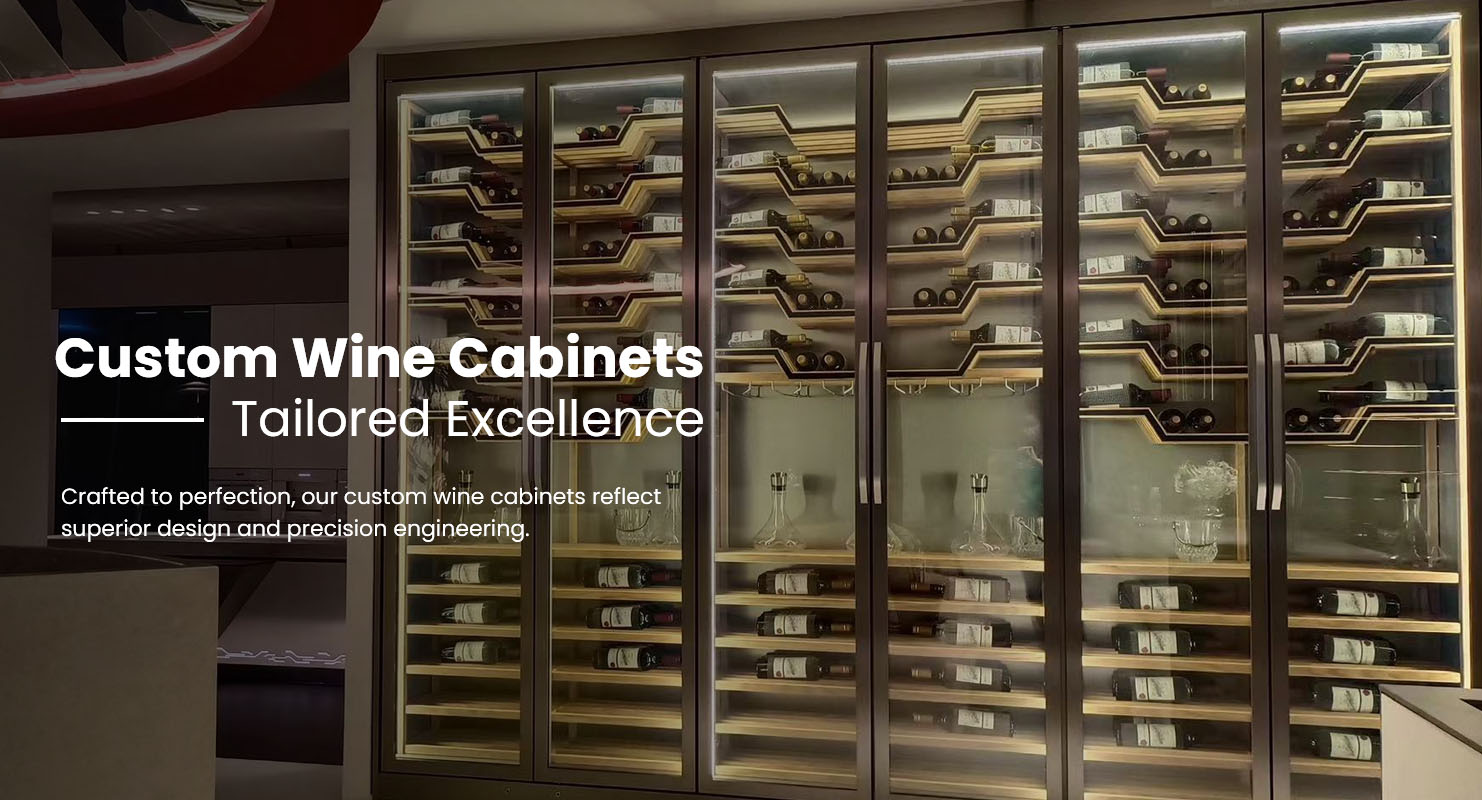
How Can Wine Cellar Design Combine Storage And Display?
modern wine cellar designs often combine preservation with visual presentation.
Common design features include:
Glass doors
Display sections
Custom wine racks
Integrated lighting
Premium interior finishes
However, appearance should always support storage performance. A wine cellar must first maintain proper environmental conditions before focusing on decoration.
What Are Common Mistakes In Wine Cellar Design?
Many wine cellar projects fail because important technical requirements are ignored.
Poor Insulation Planning
Insufficient insulation causes cooling loss and unstable temperature.
Incorrect Cooling Capacity
A cooling system that is too small may not maintain the required environment.
Ignoring Humidity Control
Temperature alone cannot provide complete wine protection.
Blocking Airflow
Poor rack placement can reduce cooling efficiency.
Lack Of Future Planning
Limited storage capacity may create redesign problems later.
How Much Does Wine Cellar Design Cost?
The cost depends on construction requirements, equipment selection, and customization level.
Main cost factors include:
| Category | Influencing Factors |
|---|---|
| Room Preparation | Insulation and moisture protection |
| Cooling System | Capacity and technology |
| Wine Racks | Material and design |
| Door System | Insulation performance |
| Interior Finish | Lighting and decoration |
A small residential wine cellar may require simple modifications, while a luxury wine room requires more detailed planning.
Why Is Professional Wine Cooler Manufacturer Support Important?
A professional wine cooler manufacturer helps ensure that the cooling solution matches the actual wine cellar environment.
Technical evaluation includes:
Cooling capacity calculation
Installation conditions
Energy efficiency
Noise control
Long-term reliability
Professional support helps create wine cellar solutions suitable for homes, restaurants, hotels, and commercial applications.
What Is The Recommended Process For Designing A Wine Cellar?
A complete wine cellar design process includes:
Select the appropriate location.
Define bottle storage requirements.
Plan room structure and insulation.
Design rack layout and airflow paths.
Select the suitable cooling system.
Install lighting and accessories.
Test temperature and humidity stability.
A successful wine cellar design combines technical planning, reliable cooling technology, and practical storage solutions to create a stable environment for wine preservation.
Previous: