

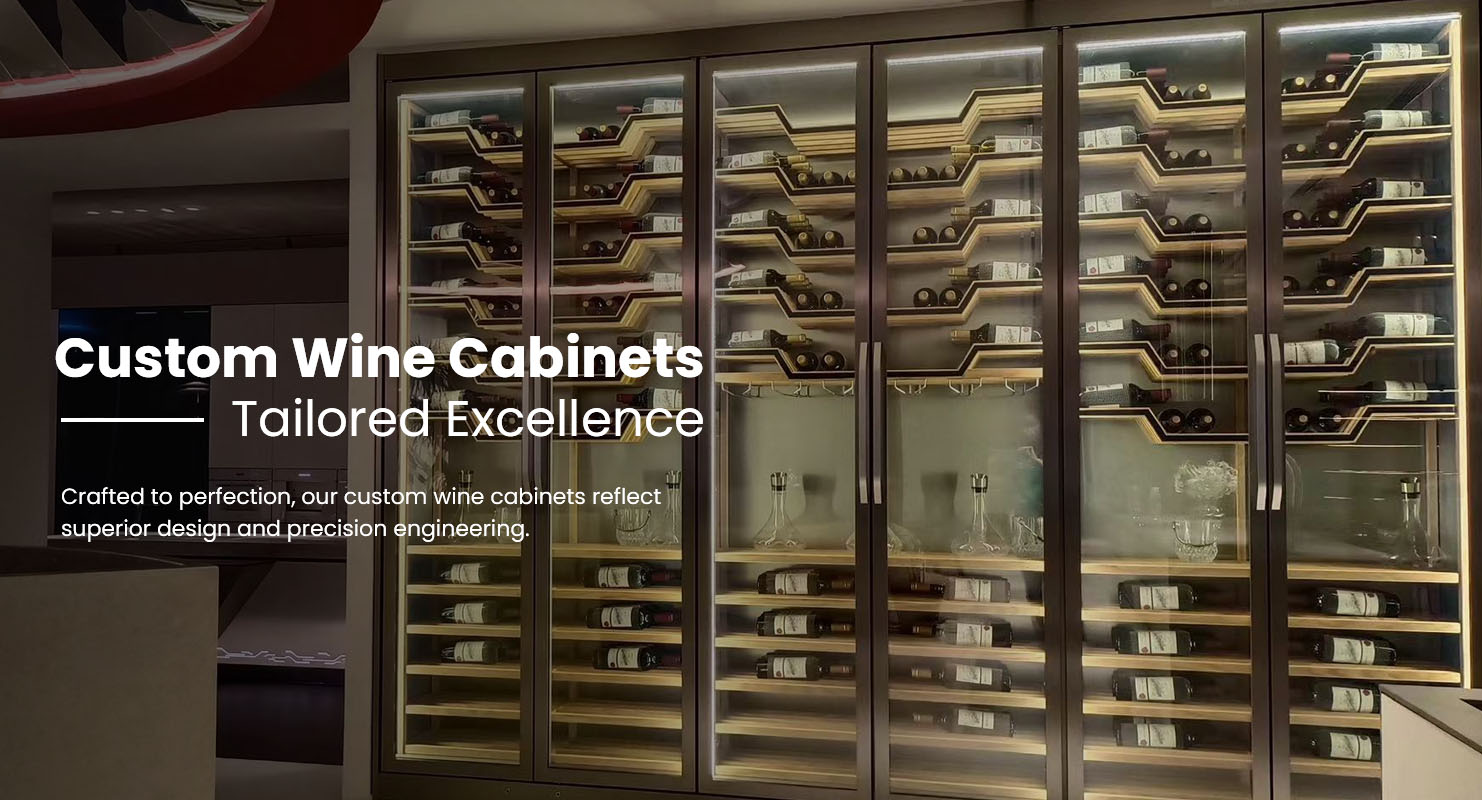
Integrated Wine Cooler vs Freestanding Wine Cooler: Which Model Provides Better Space Utilization?
An integrated Wine Cooler provides better space utilization in planned interiors, while a freestanding wine cooler offers greater placement flexibility.
What Is The Difference Between An Integrated Wine Cooler And A Freestanding Wine Cooler?
Integrated wine coolers and freestanding wine coolers are designed for different space planning needs. The main difference is whether the wine cooler becomes part of the surrounding furniture or operates as an independent appliance.
An integrated wine cooler is built into cabinets, kitchen islands, or customized furniture layouts. It creates a seamless appearance by using existing space structures.
A freestanding wine cooler is designed as an independent unit that can be placed in different locations without changing the surrounding environment.
The main differences include:
| Feature | Integrated Wine Cooler | Freestanding Wine Cooler |
|---|---|---|
| Space Usage | Uses existing furniture space | Requires independent placement |
| Installation | Cabinet integration | Standalone installation |
| Appearance | Seamless design | Flexible appearance |
| Floor Space | Reduced requirement | Additional floor area needed |
| Relocation | Limited | Easy |
From a wine cooler manufacturer’s perspective, space utilization depends on whether the priority is maximizing built-in space or maintaining flexible placement.
Why Do Integrated Wine Coolers Provide Better Space Utilization?
Integrated wine coolers are designed to become part of the interior structure, making them highly efficient for planned spaces.
Key advantages include:
Uses Existing Cabinet Space
Integrated models can be installed under countertops, inside kitchen cabinets, or within customized storage areas.
This approach avoids adding another independent appliance footprint to the room.
Creates A Cleaner Layout
Because the wine cooler aligns with surrounding furniture, the overall space appears more organized and visually balanced.
Maximizes Small Kitchen Areas
For compact kitchens, integrated wine coolers help use available space efficiently without reducing walking areas.
Supports Custom Interior Design
Integrated solutions can match cabinet dimensions, materials, and design styles.
What Are The Space Advantages Of Freestanding Wine Coolers?
Freestanding wine coolers provide a different type of space advantage through flexibility.
Main benefits include:
Flexible Placement
Freestanding models can be positioned in:
Dining rooms
Living rooms
Home bars
Entertainment areas
Offices
Easy Layout Changes
When interior arrangements change, freestanding units can be moved without modifying cabinets.
Suitable For Additional Storage
Freestanding wine coolers can be added to existing homes when extra bottle capacity is needed.
No Cabinet Requirements
Installation does not require customized furniture preparation.
Which Wine Cooler Is Better For Small Spaces?
Integrated wine coolers are often better for small spaces because they use existing structures more efficiently.
Comparison:
| Space Factor | Integrated Wine Cooler | Freestanding Wine Cooler |
|---|---|---|
| Under-counter Use | Excellent | Limited |
| Cabinet Integration | Yes | No |
| Additional Floor Space | Minimal | Required |
| Design Efficiency | High | Moderate |
For apartments, compact kitchens, and modern homes with planned layouts, integrated models often provide better space efficiency.
Which Wine Cooler Is Better For Flexible Space Planning?
Freestanding wine coolers provide better flexibility because they are not permanently connected to furniture structures.
They are suitable for:
Rental homes
Temporary spaces
Existing kitchens without renovation
Expanding wine collections
The ability to move the appliance allows homeowners to adjust their storage layout more easily.
Does Integrated Installation Reduce wine cooler capacity?
Integrated installation does not necessarily reduce storage capacity.
Capacity depends mainly on:
Product dimensions
Internal rack design
Bottle arrangement
Cooling system structure
Professional wine cooler manufacturers develop integrated models with efficient internal layouts to maximize bottle storage within limited external dimensions.
How Does Freestanding Design Affect Room Space?
Freestanding wine coolers require independent placement, which means they occupy additional visible floor area.
However, this design also provides benefits:
Easier installation
More location options
Simple replacement
Flexible expansion
For homes with sufficient space, freestanding models can become attractive standalone features.
Which Model Provides Better Storage Efficiency?
Storage efficiency depends on how the available space is used.
Integrated wine coolers provide:
Better use of unused cabinet areas
Cleaner layouts
Space-saving installation
Freestanding wine coolers provide:
Flexible expansion
Independent placement
Easier adjustment
The better choice depends on whether the project focuses on maximizing existing space or maintaining future flexibility.
Do Integrated And Freestanding Wine Coolers Have Different Cooling Performance?
Space utilization does not determine cooling performance. Both designs can provide reliable wine storage when properly engineered.
Important performance factors include:
Temperature stability
Cooling technology
Compressor quality
Insulation structure
Air circulation
Recommended wine storage conditions include:
| Storage Factor | Recommended Condition |
|---|---|
| Temperature | 10°C–15°C |
| Ideal Temperature | Around 12°C |
| Humidity | 50%–70% |
| Light Exposure | Low UV |
| Temperature Stability | Minimal fluctuation |
A properly designed wine cooler should maintain stable conditions regardless of installation style.
What Should Be Considered When Choosing A Space-Efficient Wine Cooler?
Several factors should be evaluated before selection.
Available Room Layout
Integrated models work well in planned kitchen designs, while freestanding models fit flexible environments.
Storage Requirements
Bottle quantity and future collection growth affect the required capacity.
Interior Design Goals
Integrated models support modern built-in designs, while freestanding models provide independent visual features.
Installation Conditions
Cabinet dimensions, ventilation, and available floor space should be considered.
Future Changes
Homes that may undergo remodeling may benefit from flexible standalone solutions.
What Are Common Space Planning Mistakes?
Poor planning may reduce the practical value of wine storage.
Ignoring Ventilation Space
Even space-saving installations require proper airflow for cooling performance.
Choosing A Size Without Measuring
Incorrect dimensions may create installation difficulties.
Overlooking Future Storage Growth
A wine cooler should support future collection expansion.
Prioritizing Appearance Only
Space efficiency should not compromise temperature stability and storage performance.
How Does A Wine Cooler Manufacturer Improve Space Utilization?
Professional wine cooler manufacturers design products according to different installation environments.
Development considerations include:
Compact product structures
Efficient internal storage layouts
Built-in installation requirements
Freestanding flexibility
Cooling performance optimization
OEM and ODM capabilities allow manufacturers to provide wine cooler solutions for different home layouts and market requirements.
Which Wine Cooler Model Provides Better Space Utilization?
An integrated wine cooler provides better space utilization when the goal is maximizing existing kitchen or furniture space.
A freestanding wine cooler provides better flexibility when the priority is easy placement and future adjustment.
For modern kitchens and customized interiors, integrated models usually offer stronger space efficiency. For flexible home storage, freestanding models provide greater freedom.