
Built-in Wine Cabinet vs Standalone Wine Cabinet: Which Provides Better Wine Preservation?
A built-in wine cabinet provides better integration for controlled home environments, while a standalone wine cabinet offers flexible placement for different wine storage needs.
What Is The Difference Between A Built-in Wine Cabinet And A Standalone Wine Cabinet?
Built-in wine cabinets and standalone wine cabinets are designed to store wine under controlled conditions, but their installation methods and application scenarios are different.
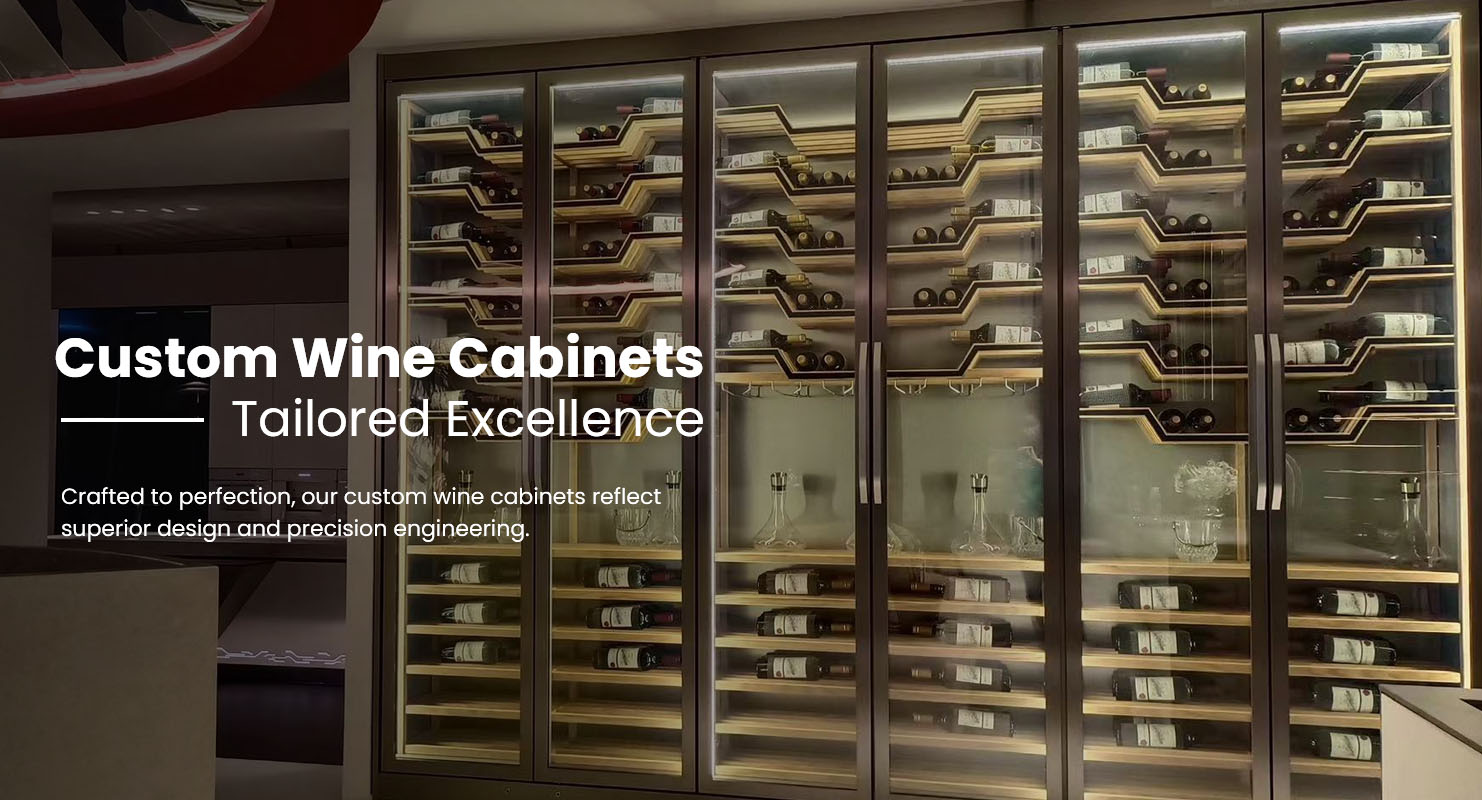
A built-in wine cabinet is integrated into kitchen cabinets, walls, or customized furniture structures. A standalone wine cabinet operates independently and can be placed in various locations.
The main differences include:
| Feature | Built-in Wine Cabinet | Standalone Wine Cabinet |
|---|---|---|
| Installation | Integrated structure | Independent placement |
| Space Usage | Uses existing furniture space | Requires separate area |
| Design Integration | High | Moderate |
| Relocation | Difficult | Easy |
| Application | Premium homes and custom interiors | Flexible home and commercial use |
From a Wine Cooler manufacturer’s perspective, wine preservation depends more on temperature stability, humidity control, and construction quality than cabinet style alone.
How Does A Built-in Wine Cabinet Improve Wine Preservation?
Built-in wine cabinets can provide excellent wine preservation when they are properly designed and installed.
Key advantages include:
Stable Installation Environment
Because built-in cabinets are integrated into fixed structures, they can provide a more controlled installation environment with reduced movement and external disturbance.
Better Space Integration
Built-in designs often allow better insulation planning and more organized placement within dedicated wine storage areas.
Reduced External Exposure
When installed inside suitable furniture structures, built-in wine cabinets can reduce exposure to external temperature changes.
Premium Storage Design
Built-in solutions allow customized layouts that combine wine preservation with interior aesthetics.
What Are The Wine Preservation Advantages Of Standalone Wine Cabinets?
Standalone wine cabinets provide flexibility while still maintaining professional storage conditions.
Main benefits include:
Flexible Location Selection
Standalone wine cabinets can be placed in:
Dining rooms
Living rooms
Home bars
Offices
Wine storage areas
Easy Environmental Adjustment
Because standalone units can be repositioned, users can select locations with better temperature stability.
Convenient Expansion
Additional units can be added when wine collections grow.
Simple Installation
Standalone cabinets usually require less construction work compared with built-in solutions.
Which Wine Cabinet Provides Better Temperature Stability?
Temperature stability depends mainly on cooling technology, insulation quality, and control systems rather than whether the cabinet is built-in or standalone.
Both types should maintain suitable wine storage conditions:
| Storage Factor | Recommended Condition |
|---|---|
| Temperature | 10°C–15°C |
| Ideal Temperature | Around 12°C |
| Humidity | 50%–70% |
| Light Exposure | Low UV |
| Temperature Change | Minimal fluctuation |
A professional wine cabinet should minimize temperature changes to support long-term wine aging.
Does Installation Style Affect Humidity Control?
Installation style can influence humidity management indirectly, but the cooling system and cabinet structure are the main factors.
Humidity control depends on:
Sealing performance
Cooling technology
Air circulation
Insulation structure
Environmental conditions
A properly manufactured built-in or standalone wine cabinet can maintain balanced humidity.
The recommended humidity range for wine storage is generally 50% to 70%.
Which Wine Cabinet Better Protects Wine From External Temperature Changes?
Built-in wine cabinets may provide advantages when installed in well-designed interior spaces because they become part of a controlled environment.
However, standalone wine cabinets can also perform well when:
Installed away from heat sources
Positioned in stable indoor areas
Provided with proper ventilation
The surrounding environment has a significant influence on wine preservation.
Which Wine Cabinet Is Better For Long-Term Wine Storage?
Both solutions can support long-term wine storage when they provide:
Stable temperature
Proper humidity
Low light exposure
Minimal vibration
Reliable cooling performance
The choice depends on the application.
Built-in wine cabinets are suitable for:
Custom home interiors
Luxury kitchens
Permanent wine storage spaces
Standalone wine cabinets are suitable for:
Flexible home layouts
Growing collections
Locations requiring easy relocation
How Do Wine Cabinet Materials Affect Preservation?
The cabinet structure affects insulation, durability, and environmental stability.
Important material considerations include:
| Component | Preservation Impact |
|---|---|
| Insulated Panels | Reduce heat transfer |
| Door System | Prevent temperature loss |
| Shelving Structure | Supports bottle stability |
| Interior Materials | Affect durability and humidity resistance |
A high-quality wine cabinet combines proper materials with reliable cooling technology.
Which Wine Cabinet Is Better For Small Homes?
The better choice depends on available space and design requirements.
Built-in wine cabinets are suitable when:
Space optimization is important
Kitchen integration is planned
Interior consistency is required
Standalone wine cabinets are suitable when:
Installation flexibility is needed
Home layout may change
Additional storage is required
Which Wine Cabinet Is Better For Commercial Applications?
Both designs can serve commercial needs depending on the environment.
Built-in wine cabinets are suitable for:
Hotel rooms
Premium restaurants
Luxury hospitality spaces
Standalone wine cabinets are suitable for:
Wine shops
Restaurants
Storage rooms
Event spaces
Commercial projects should consider capacity, accessibility, and maintenance requirements.
What Are Common Mistakes That Affect Wine Preservation?
Several mistakes can reduce wine storage performance.
Poor Location Selection
Placing wine cabinets near heat sources may affect temperature stability.
Ignoring Ventilation
Insufficient airflow can reduce cooling efficiency.
Choosing Incorrect Capacity
Overcrowded storage may affect airflow and organization.
Focusing Only On Appearance
A beautiful cabinet still requires proper environmental control.
Not Considering Future Collection Growth
Storage planning should include future wine expansion.
How Does A wine cooler manufacturer Improve Wine Preservation?
A professional wine cooler manufacturer develops solutions based on wine storage requirements.
Manufacturing considerations include:
Cooling system design
Insulation performance
Temperature control accuracy
Humidity management
Energy efficiency
Product reliability
OEM and ODM capabilities allow manufacturers to provide different wine cabinet solutions for residential and commercial applications.
Which Provides Better Wine Preservation: Built-in Or Standalone Wine Cabinet?
A built-in wine cabinet is suitable for users who prioritize integrated design, permanent installation, and customized wine storage environments.
A standalone wine cabinet is suitable for users who need flexibility, easy installation, and future adjustment options.
Neither design automatically provides better wine preservation. The final performance depends on cooling technology, construction quality, installation environment, and proper maintenance.