

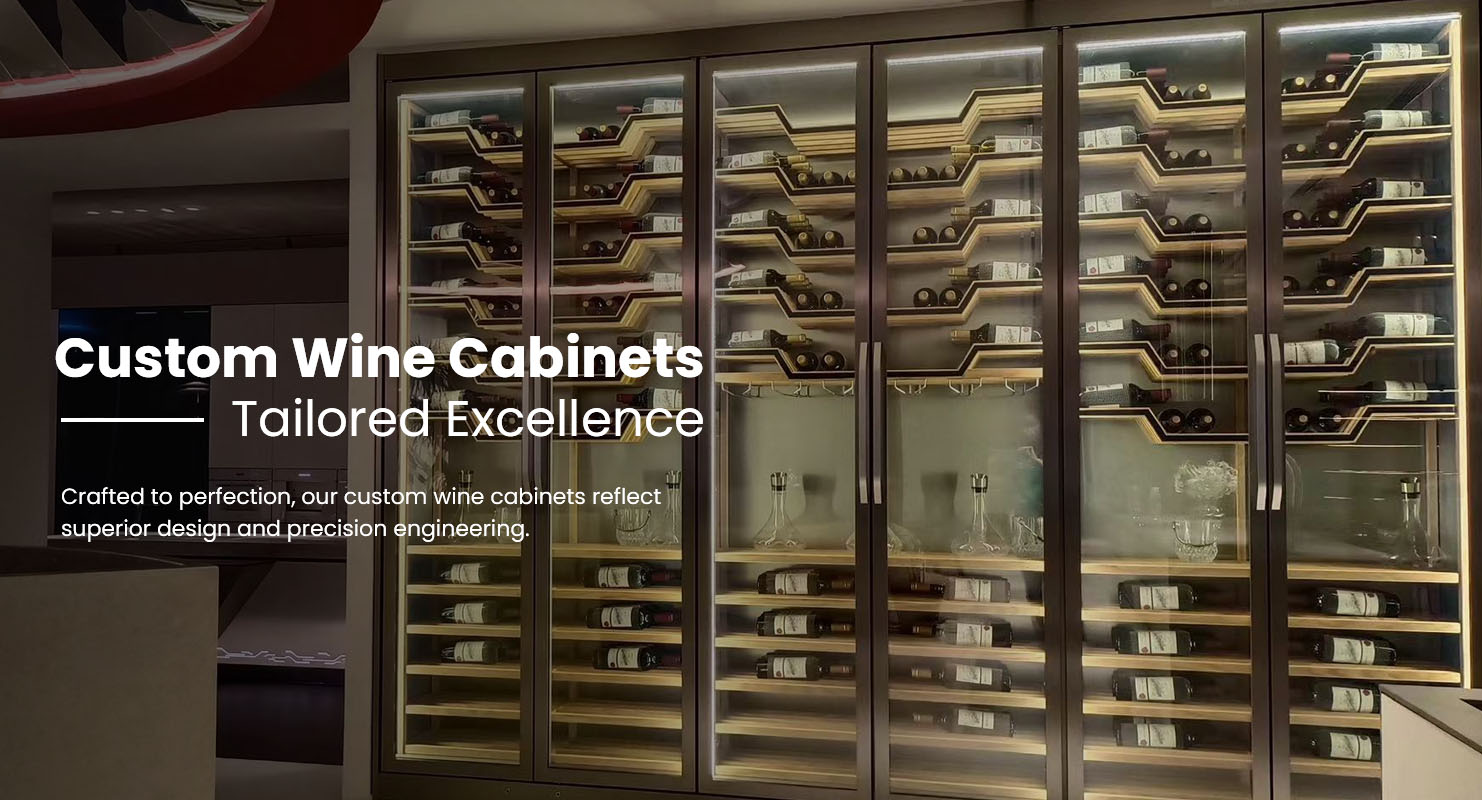
Built-in Dual Zone Wine Cooler vs Freestanding Dual Zone Wine Cooler: Which Has Higher Market Potential?
Built-in dual zone Wine Coolers have stronger potential in premium kitchen and project markets, while freestanding dual zone wine coolers offer wider consumer applications and flexible placement.
What Is The Difference Between Built-in And Freestanding Dual Zone Wine Coolers?
Built-in dual zone wine coolers and freestanding dual zone wine coolers both provide two independent temperature zones for storing different types of wine, but they target different market applications.
A dual zone wine cooler allows users to maintain different temperatures in separate compartments, making it suitable for storing red wine, white wine, champagne, and other wine types together.
The main difference is the installation method:
| Feature | Built-in Dual Zone Wine Cooler | Freestanding Dual Zone Wine Cooler |
|---|---|---|
| Installation | Integrated into cabinets | Independent placement |
| Market Position | Premium and project-based | Broad consumer market |
| Design Value | High | Moderate |
| Placement Flexibility | Limited | Excellent |
| Application | Luxury homes, hotels, kitchens | Homes, offices, retail |
From a wine cooler manufacturer’s perspective, both designs have market opportunities, but their growth potential depends on target customers and sales channels.
Why Do Built-in Dual Zone Wine Coolers Have Strong Market Potential?
Built-in dual zone wine coolers are gaining attention in markets where kitchen design and premium living experiences are important.
Key market advantages include:
Strong Demand From Premium Home Projects
Modern homeowners increasingly prefer integrated appliances that match kitchen cabinets and interior styles.
Built-in dual zone models provide:
Seamless appearance
Space optimization
Premium kitchen integration
Customized design possibilities
Growing Hospitality Applications
Hotels, restaurants, and luxury apartments often require wine storage solutions that combine performance with interior aesthetics.
Built-in dual zone wine coolers fit applications such as:
Hotel suites
Restaurant bars
Private dining rooms
Premium residences
Higher Product Value
Built-in models often support higher-value positioning because they require more design integration and customization.
Why Do Freestanding Dual Zone Wine Coolers Have Wider Market Coverage?
Freestanding dual zone wine coolers appeal to a broader customer base because they require fewer installation limitations.
Main advantages include:
Easier Consumer Adoption
Users can install freestanding models without changing existing furniture layouts.
Wider Application Scenarios
Suitable environments include:
Apartments
Homes
Offices
Wine rooms
Entertainment spaces
Lower Installation Barriers
Freestanding units usually require only:
Available floor space
Power connection
Proper ventilation
Strong Retail Potential
Freestanding models are suitable for online sales and retail channels because customers can purchase and install them more easily.
Which Dual Zone Wine Cooler Has A Larger Target Market?
The market size depends on customer segmentation.
| Customer Segment | Suitable Product |
|---|---|
| Apartment Users | Freestanding Dual Zone Wine Cooler |
| First-time Wine Collectors | Freestanding Dual Zone Wine Cooler |
| Luxury Home Projects | Built-in Dual Zone Wine Cooler |
| Hotel Projects | Built-in Dual Zone Wine Cooler |
| Kitchen Renovation Market | Built-in Dual Zone Wine Cooler |
Freestanding models usually reach more individual consumers, while built-in models create stronger opportunities in premium projects.
Which Design Offers Better Product Differentiation?
Built-in dual zone wine coolers often provide stronger differentiation because they can be customized according to project requirements.
Customization opportunities include:
Cabinet dimensions
Door styles
Exterior finishes
Installation configurations
Capacity options
Freestanding models compete more through:
Capacity
Price positioning
Features
Appearance design
For manufacturers targeting premium markets, built-in solutions often create more opportunities for differentiation.
Does Dual Zone Technology Increase Market Demand?
Yes. Dual zone technology improves product value because it solves a common wine storage challenge.
Different wines require different storage temperatures:
| Wine Type | Recommended Temperature Range |
|---|---|
| Red Wine | Around 12°C–18°C |
| White Wine | Around 7°C–12°C |
| Champagne | Around 5°C–10°C |
A dual zone system allows users to store multiple wine types in one appliance.
This feature increases appeal among:
Wine collectors
Restaurants
Hospitality businesses
Premium household users
Which Product Has Better OEM And ODM Potential?
Both designs provide OEM and ODM opportunities, but customization requirements differ.
Built-in dual zone wine coolers often require:
Custom dimensions
Kitchen integration solutions
Project-based specifications
Premium design options
Freestanding dual zone wine coolers often require:
Capacity variations
Exterior customization
Regional market adjustments
Retail-focused designs
Manufacturers with flexible production capabilities can serve both markets.
Which Product Is Easier To Sell Internationally?
Freestanding dual zone wine coolers usually have broader international sales opportunities because they fit different housing conditions.
Advantages include:
Easier installation
Lower purchasing barriers
Wider consumer acceptance
Flexible placement
Built-in models have strong potential in regions with:
High-end kitchen markets
Luxury residential development
Hospitality industries
The best international strategy often includes both product categories.
What Factors Should Manufacturers Consider When Developing Dual Zone Wine Coolers?
Product development should consider:
Target Customer
Consumer markets and project markets require different product strategies.
Installation Environment
Built-in products require precise dimensions, while freestanding products require placement flexibility.
Cooling Performance
Both models need stable temperature control and reliable dual zone operation.
Market Positioning
Premium designs and customized solutions support higher-value markets.
Sales Channel
Retail channels often favor freestanding models, while engineering projects often prefer built-in solutions.
What Are Common Mistakes When Evaluating Market Potential?
Several factors may affect product strategy decisions.
Focusing Only On Product Features
Market success depends on application scenarios, not features alone.
Ignoring Installation Differences
Different customers have different installation conditions.
Developing Only One Product Type
Offering multiple solutions helps cover more market segments.
Overlooking Regional Preferences
Housing structures and consumer habits vary between markets.
How Does A wine cooler manufacturer Capture Different Market Opportunities?
A professional wine cooler manufacturer develops products according to different application requirements.
Manufacturing advantages include:
Built-in dual zone wine cooler development
Freestanding dual zone wine cooler production
Capacity customization
Temperature control optimization
OEM and ODM cooperation
A diversified product strategy helps manufacturers serve residential, hospitality, and commercial markets.
Which Has Higher Market Potential: Built-in Or Freestanding Dual Zone Wine Cooler?
Built-in dual zone wine coolers have stronger potential in premium markets, luxury homes, hotels, and customized kitchen projects.
Freestanding dual zone wine coolers have broader market coverage because they are easier to install and suitable for more consumers.
For manufacturers, the highest market potential usually comes from developing both solutions: built-in models for premium value and freestanding models for wider market reach.