

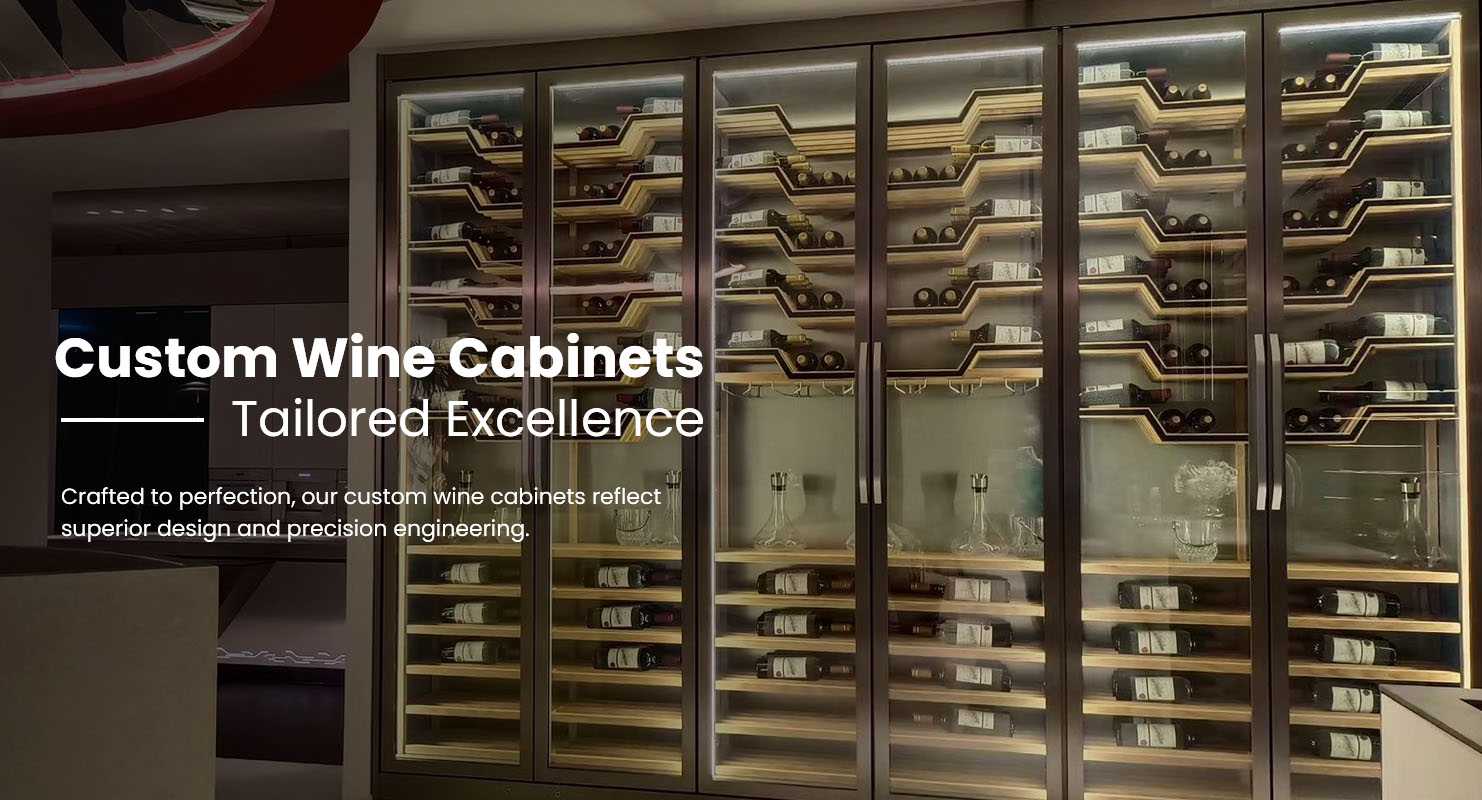
Commercial Glass Door Wine Cooler vs Home Wine Cooler: Which Requires Different Features?
Commercial glass door Wine Coolers require stronger cooling performance, higher visibility, and continuous operation features, while home wine coolers focus more on convenience, quiet operation, and residential design.
What Is The Difference Between Commercial Glass Door And Home Wine Coolers?
The main difference between commercial glass door wine coolers and home wine coolers is their application environment, operating requirements, capacity, and feature priorities.
A commercial glass door wine cooler is designed for businesses that need product display, frequent access, and reliable daily operation.
A home wine cooler is designed for personal wine storage, interior integration, and convenient household use.
| Feature | Commercial Glass Door Wine Cooler | Home Wine Cooler |
|---|---|---|
| Main Purpose | Display and Commercial Storage | Personal Wine Storage |
| Operating Frequency | High | Moderate |
| Visibility Requirement | Very High | Optional |
| Capacity | Medium to Large | Small to Medium |
| Design Focus | Performance and Presentation | Convenience and Home Integration |
From a wine cooler manufacturer’s perspective, commercial and residential products should not be designed with the same feature priorities because users have different expectations.
Why Do Commercial And Home Wine Coolers Need Different Features?
The usage environment determines product requirements.
Commercial users focus on:
Product presentation
Cooling reliability
Storage capacity
Frequent operation
Professional appearance
Home users usually focus on:
Quiet operation
Space efficiency
Interior matching
Easy installation
Simple maintenance
A successful wine cooler design starts with understanding the application.
What Features Are Important For Commercial Glass Door Wine Coolers?
Commercial glass door wine coolers require features that support business operations.
Why Is Glass Door Design Important For Commercial Applications?
Glass doors provide:
Product visibility
Customer attraction
Easy bottle selection
Premium display effects
They are especially valuable in:
Wine shops
Restaurants
Hotels
Bars
Customers can directly view available wine products without opening the cabinet.
Why Do Commercial Models Need Stronger Cooling Performance?
Commercial environments create higher cooling demands.
Reasons include:
Frequent door opening
Longer operating hours
Larger storage volume
Higher customer traffic
commercial wine coolers need stable temperature recovery and reliable operation.
Why Is Capacity Important For Commercial Wine Coolers?
Businesses usually need more storage space.
Larger capacity supports:
Multiple wine categories
Daily inventory
Seasonal products
Professional organization
This helps businesses manage wine supply more efficiently.
Why Are LED Lighting And Display Features Important?
Commercial glass door wine coolers often use display features to improve customer experience.
Common features include:
Interior LED lighting
Adjustable shelves
Clear product visibility
Premium cabinet design
These features help transform wine storage into a sales display.
What Features Are Important For Home Wine Coolers?
Home wine coolers focus on user convenience and lifestyle integration.
Why Is Quiet Operation Important For Home Use?
Home wine coolers are often installed near living areas.
Low-noise operation is important for:
Apartments
Kitchens
Dining rooms
Entertainment spaces
Why Is Compact Design Important For Home Wine Coolers?
Many homes have limited space.
Home models should support:
Flexible placement
Built-in installation
Kitchen integration
Easy movement
Why Is Appearance Important For Residential Wine Coolers?
Home users often consider interior design.
Important design elements include:
Door style
Cabinet finish
Handle design
Overall appearance
The wine cooler should match the home environment.
Which Product Requires Better Temperature Stability?
Both require stable temperature control, but commercial models usually face greater challenges.
| Requirement | Commercial Glass Door | Home Wine Cooler |
|---|---|---|
| Frequent Door Opening | Very High | Moderate |
| Long Operating Hours | Very High | Lower |
| Temperature Recovery | Critical | Important |
| Storage Volume | Higher | Lower |
Commercial products require stronger performance because operating conditions are more demanding.
Which Product Requires Better Energy Management?
Energy efficiency is important for both applications.
Commercial Wine Cooler Energy Factors
Include:
Compressor efficiency
Cabinet insulation
Door sealing
Temperature recovery
Home Wine Cooler Energy Factors
Include:
Product size
Usage frequency
Standby efficiency
The best design depends on the application.
Which Product Has Different Door Design Requirements?
Door design priorities are different.
Commercial Glass Door Wine Cooler Door Features
Focus on:
Visibility
Durability
Frequent use
Display quality
Home Wine Cooler Door Features
Focus on:
Appearance
Space integration
Quiet closing
User convenience
Which Product Has Better OEM And ODM Opportunities?
Both categories offer customization opportunities.
Commercial Glass Door Wine Cooler Customization
Options include:
Glass door structure
LED lighting
Cabinet capacity
Shelf design
Commercial appearance
Suitable for:
Wine shops
Hotels
Restaurant suppliers
Home Wine Cooler Customization
Options include:
Compact size
Exterior design
Door styles
Interior layouts
Suitable for:
Home appliance brands
Online retailers
Which Product Is More Suitable For Export Markets?
Different markets require different solutions.
| Market | Suitable Product |
|---|---|
| Restaurants | Commercial Glass Door Wine Cooler |
| Wine Shops | Commercial Glass Door Wine Cooler |
| Hotels | Commercial Glass Door Wine Cooler |
| Apartments | Home Wine Cooler |
| Residential Kitchens | Home Wine Cooler |
Market selection depends on:
Consumer habits
Housing conditions
Business environment
Retail channels
What Should Buyers Consider Before Choosing A Wine Cooler?
Important factors include:
Usage Location
Determine whether the product is for business or home use.
Storage Requirements
Consider bottle quantity and access frequency.
Display Needs
Commercial users often require product visibility.
Space Conditions
Home users need suitable installation dimensions.
Operating Frequency
Commercial environments require stronger durability.
What Are Common Mistakes When Comparing Commercial And Home Wine Coolers?
Choosing Home Models For Commercial Use
Residential products may not handle heavy operation.
Selecting Commercial Models For Small Homes
Large products may not fit residential spaces.
Focusing Only On Appearance
Performance is equally important.
Ignoring Usage Environment
The application determines the correct features.
How Does A wine cooler manufacturer Develop Different Solutions?
A professional wine cooler manufacturer designs products based on application requirements.
Capabilities include:
Commercial wine cooler production
Home wine cooler development
OEM and ODM services
Cooling system customization
Quality testing
Different product platforms help brands serve different customer segments.
Which Requires Different Features: Commercial Glass Door Or Home Wine Cooler?
Commercial glass door wine coolers require:
Strong cooling performance
Larger capacity
Display visibility
Frequent-use durability
Professional design
Home wine coolers require:
Quiet operation
Compact design
Residential appearance
Easy installation
User convenience
The best product depends on the application. Commercial models focus on business performance, while home models focus on lifestyle integration.
FAQ
Can A Home Wine Cooler Be Used Commercially?
It may work for light use, but commercial environments usually require stronger products.
Why Do Commercial Wine Coolers Use Glass Doors?
Glass doors improve product visibility and customer experience.
Are Commercial Wine Coolers More Durable?
They are designed for heavier operation and professional applications.
What Features Matter Most For Home Wine Coolers?
Quiet operation, compact design, and appearance are important.
Should Brands Develop Separate Commercial And Home Models?
Yes. Different users require different product features.