
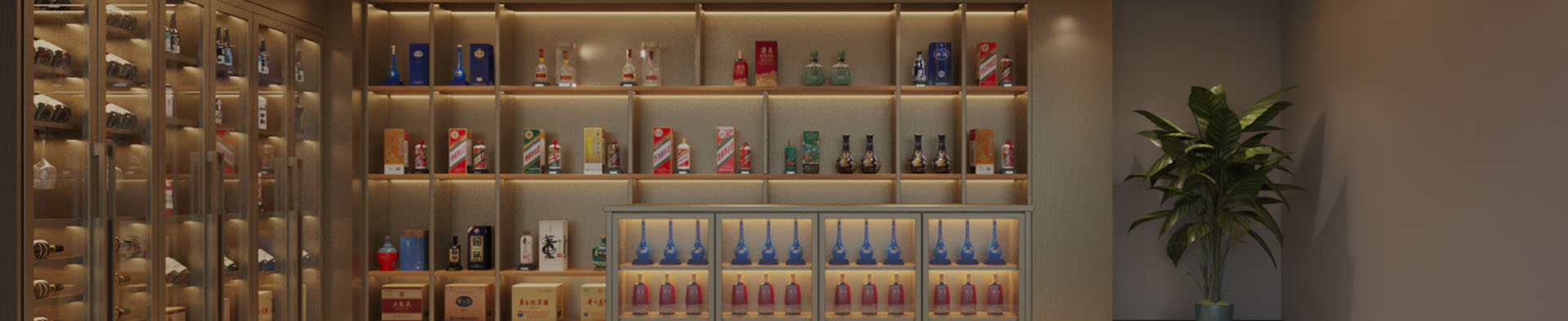
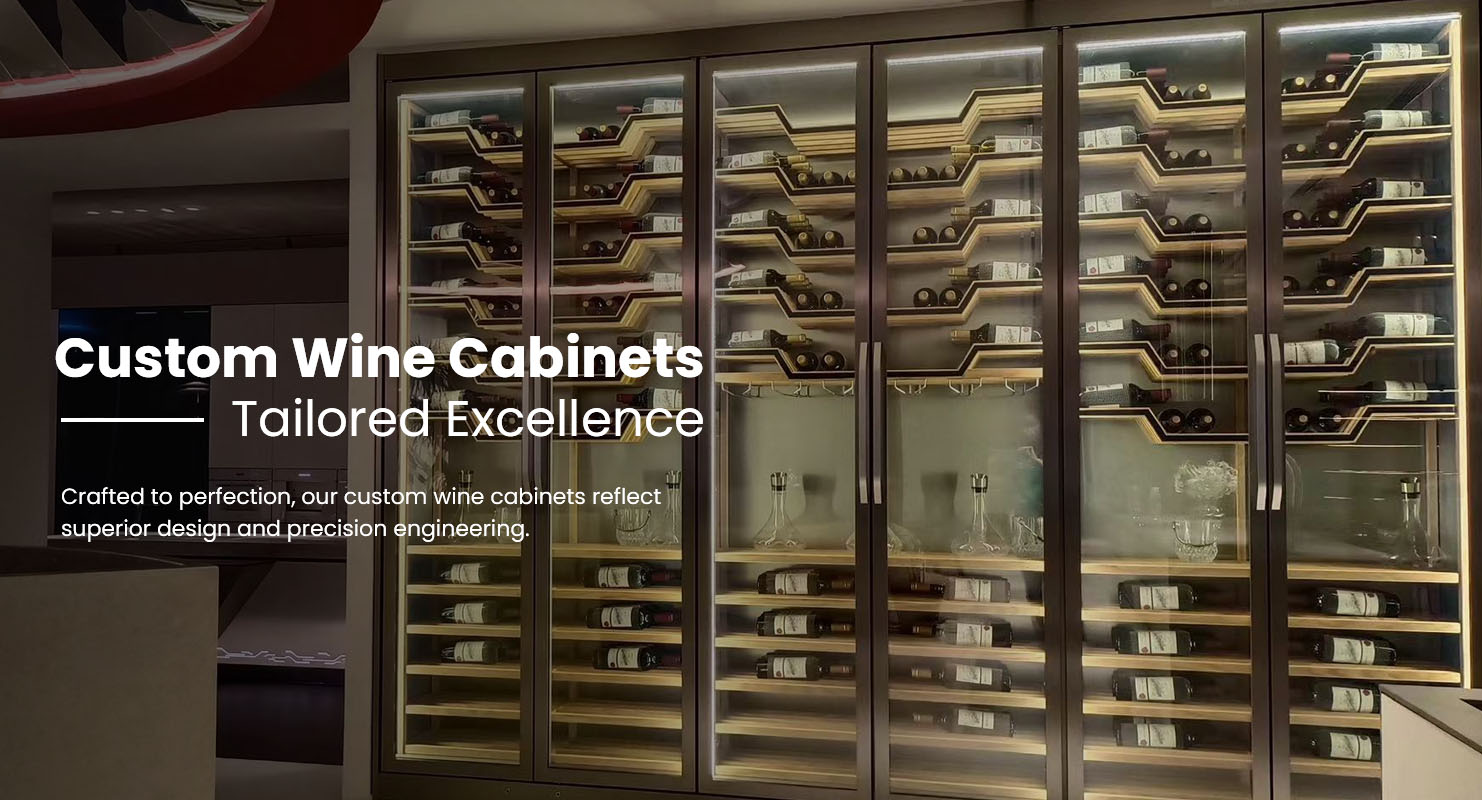
A well-organized wine cellar is not only about placing bottles on shelves. Proper organization helps maintain wine quality, improve inventory management, and create a more efficient storage environment. Temperature stability, humidity control, bottle positioning, lighting, and accessibility all influence how effectively a wine cellar protects different types of wine.
-
2026-08-03
-
2026-06-08Before buying wine cabinets, distributors should first check temperature stability, bottle capacity, cooling structure, and product durability. Professional wine storage guidance commonly recommends around 12°C to 14°C for long-term storage, while relative humidity is often kept near 50% to 70% to help protect corks and labels.
-
2026-06-04Temperature stability is one of the most important points in wine cooler procurement. Wine is commonly stored around 12°C to 14°C, while many professional wine storage guidelines recommend avoiding frequent temperature swings because heat fluctuation can affect aroma, cork condition, and long-term preservation.
-
2026-05-22How Deep Does Your Wine Cellar Need To Be is not answered by one fixed number. Depth helps reduce heat fluctuation, but a reliable wine cellar depends more on temperature stability, wall insulation, moisture control, door sealing, and cooling design.
-
2026-01-29Wine cellar cooling units are designed to maintain a stable, cool environment that allows wine to age slowly and correctly. Unlike household air conditioners, these systems are engineered specifically for wine storage, where temperature stability, gentle airflow, and humidity balance are critical.
-
2026-01-19Creating a wine cellar with a tasting area requires balancing proper wine storage conditions with comfortable human use. The key is to design two functions within one space without compromising temperature stability, humidity control, or long-term wine preservation.
-
2026-01-06Turning an ordinary room into a functional wine cellar is completely achievable with the right planning. A true wine cellar is not about decoration first—it is about temperature stability, humidity control, light protection, and vibration management. Once these fundamentals are in place, layout and aesthetics follow naturally.
-
2025-12-23A wine cellar must maintain a stable temperature to protect wine from premature aging, flavor degradation, or structural damage. Temperature stability is more important than extreme precision, but remaining within the optimal range ensures that wine matures gradually and develops complexity over time. A proper cellar replicates the cool, consistent environment traditionally found in underground wine caves.