

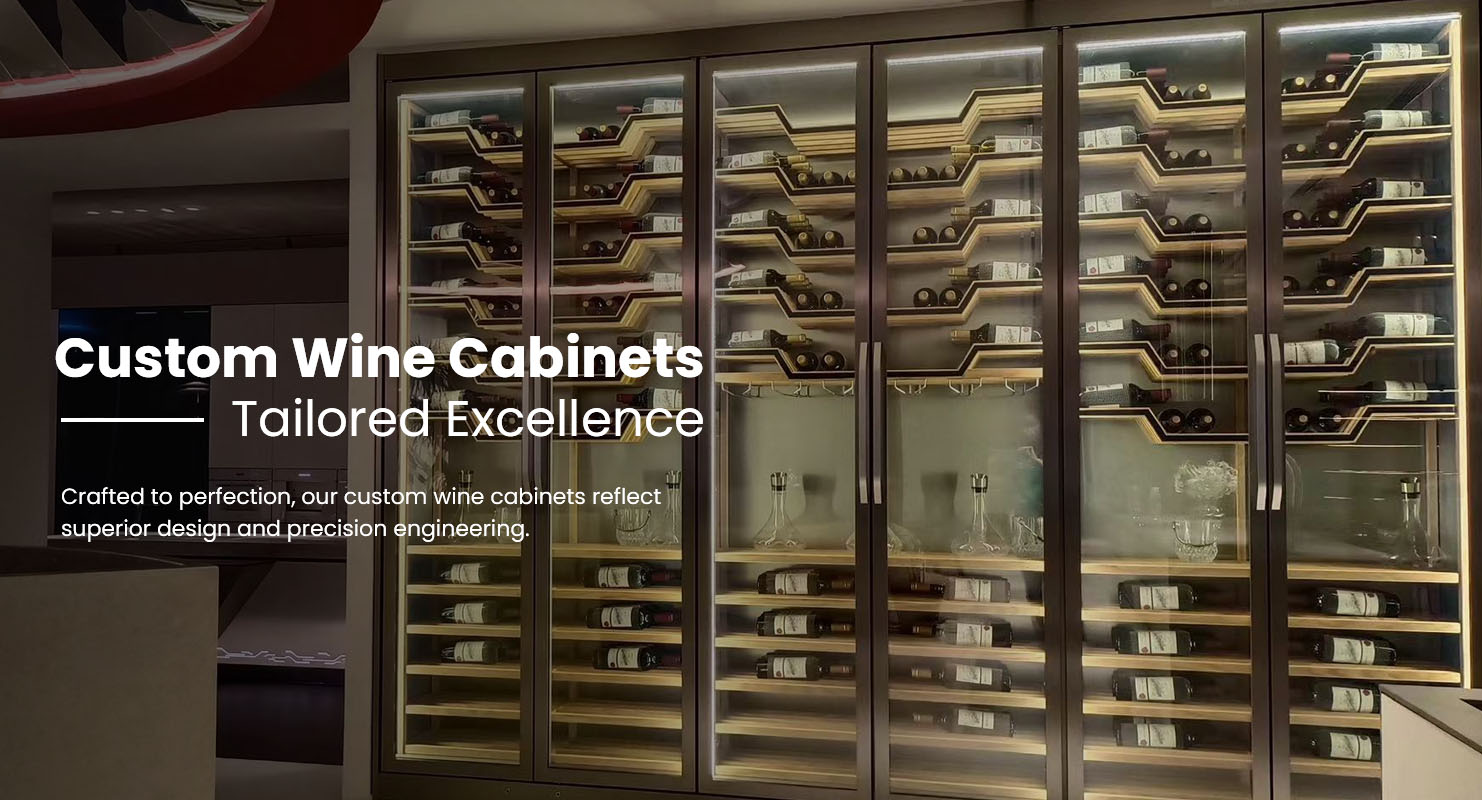
Building a homemade wine cellar is an effective way to create dedicated wine storage while making better use of unused space in a home. However, a successful homemade wine cellar requires more than installing wine racks.
-
2026-08-28
-
2026-08-27A glass wine cellar combines wine preservation with modern interior design, creating a visually attractive storage space for homes, hotels, restaurants, and luxury projects. However, building a glass wine cellar requires more than installing transparent walls
-
2026-08-26Building a cave for a wine cellar is one of the oldest wine storage concepts, using underground spaces to naturally reduce temperature fluctuations. However, transforming a cave into a professional wine cellar requires more than relying on natural conditions.
-
2026-08-25Building a wine cellar under your stairs is an excellent way to maximize unused space while creating a professional wine storage area inside a home or commercial environment. The space beneath stairs is often ignored, but with proper design, insulation, and temperature control, it can become an elegant and practical wine cellar solution.
-
2026-08-24Building a wine cellar under stairs is an effective way to transform unused residential space into a functional wine storage area. The space beneath stairs is often limited and irregular, but with proper planning, insulation, temperature control, and customized storage solutions, it can become an elegant and practical wine preservation environment.
-
2026-08-21Building a wine cellar under staircase is a smart way to transform unused home space into a functional wine storage area. The triangular area beneath stairs is often overlooked, but with proper planning, insulation, and temperature control, it can become an efficient wine preservation solution.
-
2026-08-20Building a wine cellar on a budget does not mean sacrificing wine storage quality. The key is choosing the right space, controlling the essential environmental factors, and selecting a practical storage solution instead of investing in unnecessary features.
-
2026-08-19Building a wine cellar in your backyard can transform an outdoor space into a dedicated wine storage area while adding value to residential and hospitality environments. However, a successful backyard wine cellar requires more than creating a storage room.
-
2026-08-18Building a wine cellar in a house requires more than adding wine racks to an empty room. A successful home wine cellar needs a controlled environment where temperature, humidity, lighting, insulation, and storage design work together to protect wine quality.
-
2026-08-17A cold cellar already provides a naturally suitable environment for wine storage, but transforming it into a professional wine cellar requires careful planning. A stable wine storage environment depends on more than low temperature. Proper humidity control, insulation, air circulation, bottle organization, and reliable cooling equipment are all important factors.
-
2026-08-14A crawl space can become an efficient wine storage area when it is properly transformed into a controlled environment. However, building a wine cellar in a crawl space requires more than using an naturally cooler underground area.
-
2026-08-13A cold room can provide an excellent foundation for building a wine cellar because it already offers a more stable environment compared with ordinary indoor spaces.