

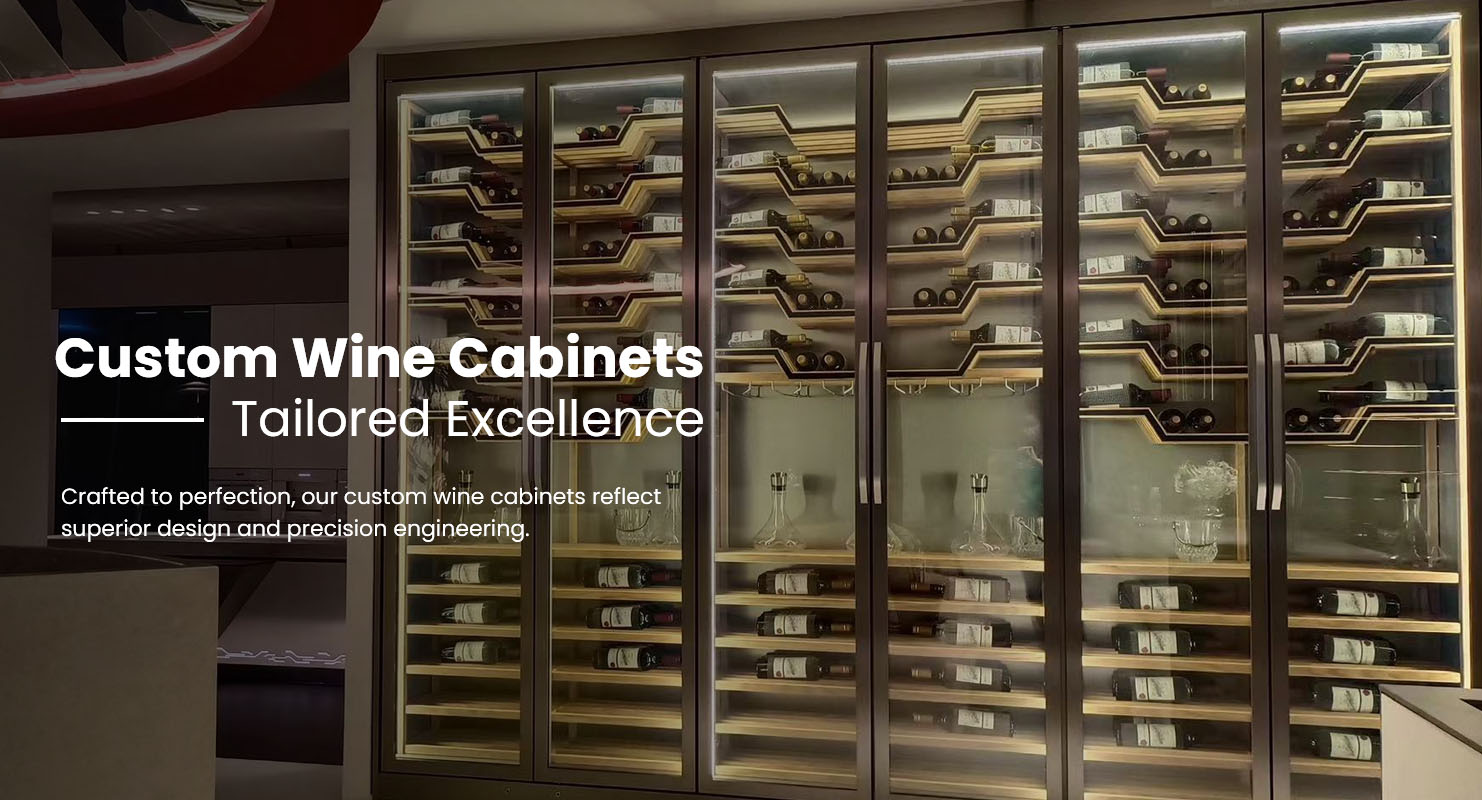
A wine cellar is traditionally designed for bottle storage, but modern wine storage spaces can be transformed into multifunctional environments with better planning and professional equipment.
-
2026-07-09
-
2026-07-08Refrigerating a wine cellar requires more than simply lowering the temperature. A professional wine storage environment needs stable cooling performance, proper humidity control, insulation structure, air circulation, and reliable equipment design.
-
2026-07-07Maintaining the right humidity level is an essential part of wine preservation. While temperature control receives most attention, humidity directly affects cork condition, bottle storage quality, and long-term aging performance.
-
2026-07-06Creating a wine cellar in a basement requires more than placing wine bottles in a cool space. A successful basement wine storage solution needs stable temperature, suitable humidity, proper insulation, reliable cooling equipment, and professional planning.
-
2026-06-30The cost to stock a wine cellar depends on bottle capacity, average bottle price, taxes, delivery, and how quickly the collection is built. In May 2026, U.S. Bureau of Labor Statistics data showed an average table-wine price of $13.841 per litre, equal to about $10.38 for a 750 mL bottle.
-
2026-06-30The cost to run a wine cellar mainly depends on cooling-system power, operating time, local electricity rates, room insulation, ambient temperature, glass area, door use, and maintenance. A compact insulated cellar costs less to operate than a large glass-walled room exposed to warm surroundings.
-
2026-06-30The cost to make a wine cellar can range from about $5,000 for a compact converted space to $100,000 or more for a fully customized room. HomeAdvisor reports an average near $40,000. Final pricing depends on cellar size, bottle capacity, cooling, insulation, glazing, racking, finishes, and installation.
-
2026-06-30The cost of a wine cellar depends on whether it is a cabinet, converted room, or custom walk-in space. HomeAdvisor’s 2026 data places professional construction at about $5,000 to $100,000, with an average near $40,000. Labor, site conditions, and finishes may change the final price.
-
2026-06-30Adding a wine cellar may cost several thousand dollars for a compact conditioned closet or more than $100,000 for a fully customized room. HomeAdvisor’s 2025 data gives a range of $5,000 to $100,000, with an average near $40,000.
-
2026-06-26Stable supply capacity is important for wine cooler distributors because seasonal demand, retail replenishment, hotel projects, and online channel orders often require predictable delivery. Wine coolers are refrigeration appliances, so each order needs production planning, testing, packaging, and export documentation before shipment.
-
2026-06-25Cigar cabinets for wine retail stores must control humidity, temperature, display visibility, and stock access at the same time. Industry storage guidance often keeps cigars near 65% to 70% relative humidity, with many sellers using about 70°F as a common reference point for stable cigar care.
-
2026-06-24Delivery Risk Starts Before ProductionWine cooler delivery for project orders is affected by specification confirmation, production planning, packaging, inspection, and export documents. A wine cooler is a refrigeration appliance with glass, compressor, electrical parts, and cabinet finish, so project delivery needs more control than ordinary furniture shipments.