

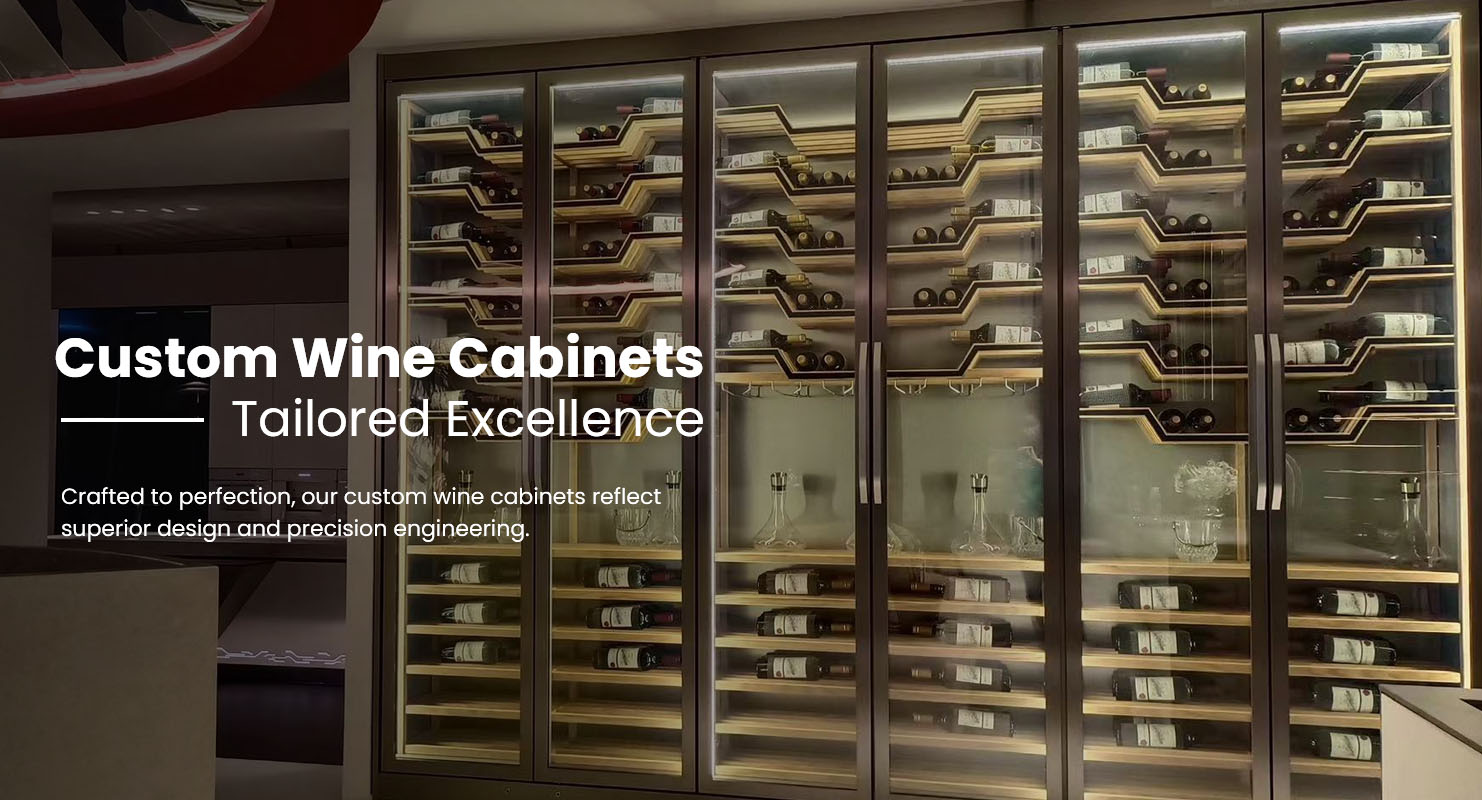
Do It Yourself Wine Cellar Kit
A do it yourself wine cellar kit can be a practical starting point, but only when the project is treated as a controlled storage system rather than a simple furniture assembly job. Long term wine storage is generally kept at 10 to 15°C, and many cellar references place suitable humidity around 60 to 70 percent. That means a kit must work together with insulation, sealing, airflow, and cooling performance, or the final result may look complete but still fail in daily operation.
What A Basic Kit Should Include
A reliable wine cellar kit should cover more than racks and panels. It should be planned around the room envelope, cooling compatibility, moisture control, and service clearance. WENTENG notes that a wine cellar project involves insulation, vapor barriers, climate equipment integration, electrical coordination, and finish installation, which shows why a kit should be evaluated as part of the whole environment.
| Item | Why it matters |
|---|---|
| Insulated structure | Reduces heat gain and cooling load |
| Vapor barrier | Helps prevent moisture migration |
| Door sealing | Limits leakage and temperature swing |
| Cooling match | Keeps storage within cellar range |
| Rack layout | Improves capacity and bottle access |
| Compliance documents | Supports export and project approval |
Manufacturer Vs Trader
For a Do It Yourself Wine Cellar Kit, manufacturer vs trader makes a real difference. A trader can usually provide a package list, but a manufacturer can review dimensions, cooling load, ambient conditions, door details, and installation risks before production starts. WENTENG describes itself as a professional Wine Cooler and wine cabinet manufacturer with integrated insulation foaming and air circulation engineering, which is more useful when the project needs repeatable technical performance instead of a simple resale combination.
OEM And ODM Process For Kit Development
In OEM and ODM programs, a wine cellar kit should be confirmed at drawing stage. Capacity, bottle layout, panel finish, voltage, glass options, branding, packaging, and cooling interface all need to be locked before mass production. WENTENG’s published workflow shows a structured process from engineering coordination to manufacturing and inspection, and states that Custom Wine Cellar projects commonly require 8 to 12 weeks for most residential conversions, with longer cycles for larger structural or hospitality projects. That kind of planning is important for bulk supply considerations because repeated orders depend on the same specifications every time.
Project Sourcing Checklist
Before selecting a kit supplier, buyers should confirm the full project logic rather than only comparing shelf style or cabinet finish. WENTENG’s sourcing guidance recommends checking voltage compatibility, refrigerant compliance, ambient operating range, noise targets, door seal performance, and certification readiness including CE, CB, RoHS, and ETL where applicable. These points matter because a kit that installs easily but runs unstably will create higher after-sales cost later.
Manufacturing Process Overview And Quality Control
A dependable kit also depends on production discipline. WENTENG’s project content highlights manufacturing coordination around structural preparation, insulation, climate integration, and final commissioning. Its related guidance links performance stability to equipment quality and installation conditions, which means quality control checkpoints should include panel accuracy, seal integrity, cooling performance, and final operational testing before shipment. For multi-unit projects, this factory control is what separates a scalable kit program from a one-off assembly package.
Material Standards Used And Export Market Compliance
Material standards used in a do it yourself wine cellar kit should support low leakage, moisture resistance, structural stability, and safe transport. Export market compliance should also be reviewed early, especially when the project is intended for repeated overseas supply. WENTENG specifically references certification readiness such as CE, CB, RoHS, and ETL where applicable, which helps importers and project contractors reduce approval risk across different destinations.
Final Thought
A do it yourself wine cellar kit can work well when it is backed by proper engineering, controlled manufacturing, and clear project documentation. WENTENG’s advantage is that it operates as a manufacturer with OEM and ODM capability, structured sourcing checkpoints, and export compliance awareness, making a kit program more reliable from design confirmation to bulk delivery.