


Does Wine Cellar Show Up On Appraisal
Does wine cellar Show Up On Appraisal? In many cases, a wine cellar can be noted during appraisal when it is a permanent, functional improvement, but its actual contribution depends on the property type, local market demand, installation quality, and comparable sales. Appraisal Institute explains that property value is affected by location, condition, improvements, amenities, and market trends, so a wine cellar is not valued only by how attractive it looks. It needs to show real function and market relevance.
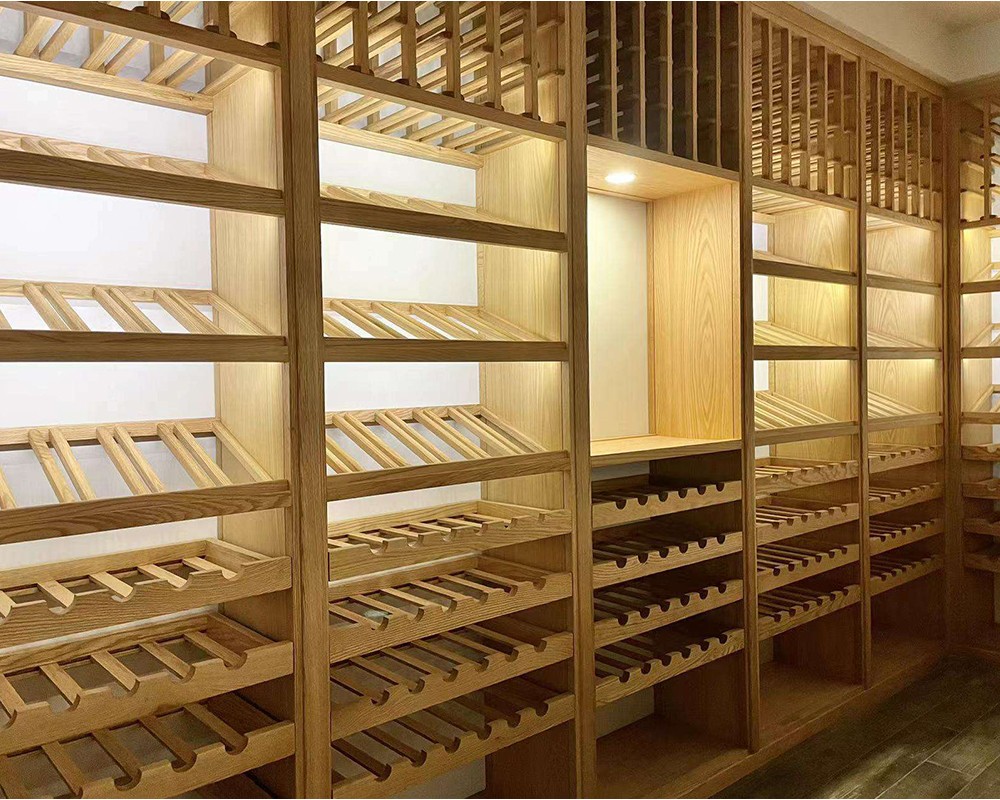
A decorative wine wall and a climate controlled wine cellar are different. A true wine cellar should support stable storage, insulation, sealed doors, proper airflow, and controlled light exposure. WSET guidance recommends long-term wine storage at about 10°C to 15°C, which makes temperature control an important part of the cellar’s practical value.
Appraisal Factor / Why It Matters
Permanent installation / Easier to recognize than movable furniture
Cooling performance / Shows the cellar has real storage function
Insulated glass and sealing / Helps control temperature loss
Bottle capacity / Supports practical use and display value
Documentation / Helps explain equipment, materials, and installation quality
For hotels, villas, restaurants, clubs, and wine display spaces, a well-built commercial wine cellar can support both wine preservation and interior value. The stronger the structure, the easier it is to explain the project’s quality. Fannie Mae appraisal guidance also requires appraisals to describe improvements clearly and specifically, including additional features and modernization where relevant.
Winton provides Custom Wine Cellar and Wine Cooler cabinet solutions with factory-level support. Our wine cooler cabinet offers 270L volume, about 101 standard bottle capacity, 125W rated power, and structured cabinet design for stable storage. Our 30 inch wine and beverage cooler provides 70L capacity, 5°C to 18°C temperature range, double-layer hollow tempered glass, and noise level within 42 dB.
Before building a wine cellar for a property project, we suggest keeping drawings, product specifications, cooling data, cabinet materials, glass details, and installation records. These documents can help explain that the cellar is not only decoration, but a practical wine storage system.
A wine cellar may show up more clearly on appraisal when it is professionally planned, permanently installed, and matched to the property’s market positioning. Send Winton your room layout, bottle quantity, and project style, and our team can help provide a custom wine cellar solution with reliable storage performance and strong presentation value.
Previous: How Big Should A Wine Cellar Be