
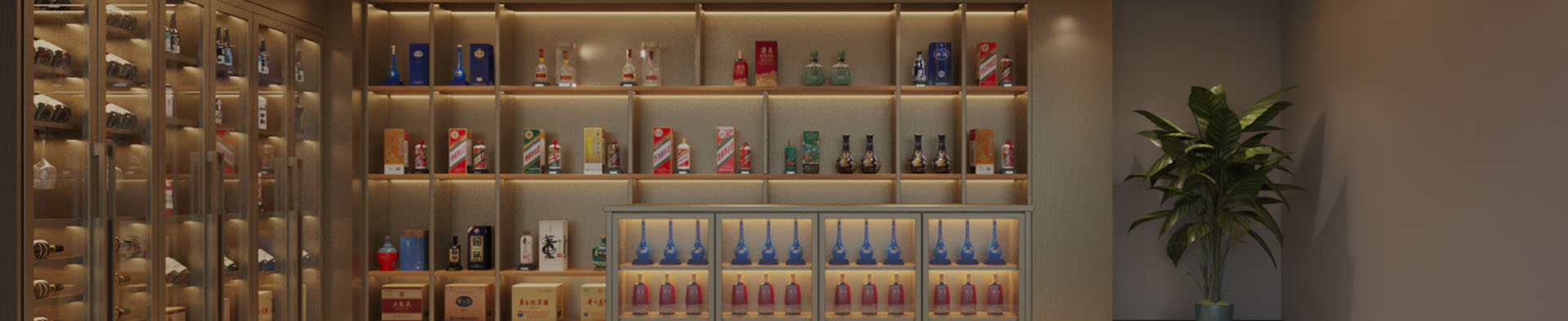
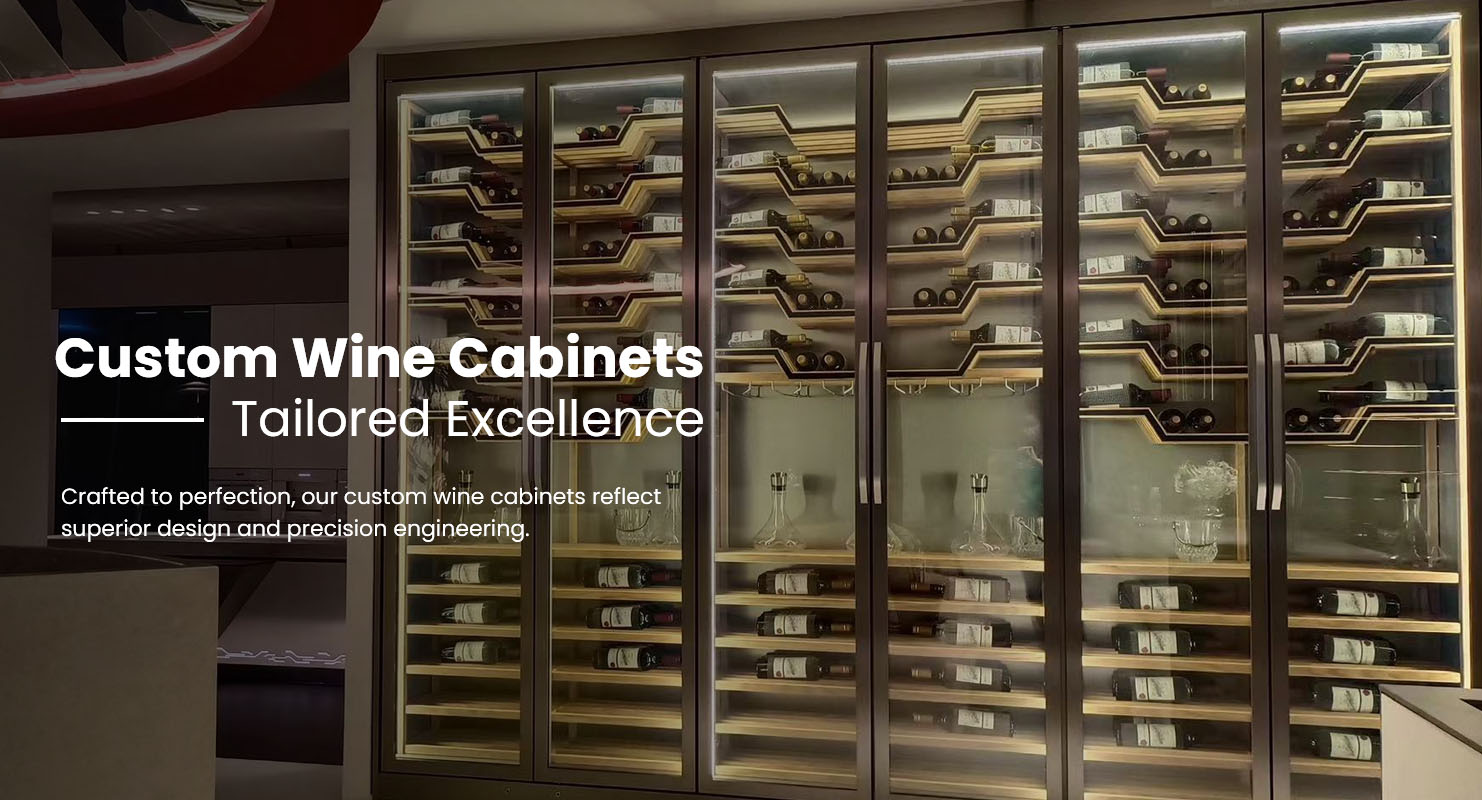
How To Select Wine Storage Cabinets for Luxury Home Projects
Start With Space And Wine Use
wine storage cabinets for luxury home projects should match interior design, bottle capacity, cooling stability, and daily use. Professional wine storage guidance often recommends about 12°C to 14°C for long-term storage, with relative humidity commonly kept near 50% to 70% to help protect corks and labels.
For villas, premium apartments, private lounges, and home bars, the cabinet should not only store wine. It should also fit the furniture layout, lighting style, door opening direction, noise control, and installation space.
Key Selection Points
| Item | What To Check |
|---|---|
| Capacity | Real bottle type and future collection growth |
| Cooling zone | Single zone or dual zone storage |
| Noise level | Suitable for quiet residential areas |
| Finish | Matches luxury home interiors |
| Ventilation | Supports built-in installation safety |
Manufacturer Vs Trader
A trader usually provides ready models with limited adjustment. A wine storage cabinet manufacturer can support deeper project matching. Our team can review cabinet size, shelf spacing, door style, handle design, lighting, color finish, voltage, plug, logo, and packaging before production.
Through the OEM / ODM process, wine cabinets can be adjusted for different luxury home layouts, private cellars, kitchen islands, and display walls. This helps reduce installation mismatch and improves project presentation.
Manufacturing And Quality Control
The manufacturing process overview includes metal panel processing, cabinet forming, insulation foaming, refrigeration system assembly, wiring, controller installation, glass door fitting, lighting setup, temperature testing, and export packing.
Quality control checkpoints include door sealing, compressor performance, fan airflow, temperature recovery, shelf loading, glass safety, noise inspection, surface finish, and carton strength. These checks help keep bulk supply consistent for residential project orders.
Materials And Compliance
Material standards used should support both appearance and durability. Tempered glass, corrosion-resistant metal parts, stable shelves, high-density insulation, qualified electrical components, and reliable door gaskets can improve long-term performance.
For export market compliance, buyers should confirm voltage, plug type, refrigerant, safety certification, energy label, manual language, carton marks, spare parts, and warranty documents before ordering. A practical project sourcing checklist should also include capacity target, finish sample, installation drawing, MOQ, lead time, packaging method, and after-sales support.
A suitable wine storage cabinet should protect wine, match the home environment, and support smooth project delivery. With direct manufacturer support, luxury home projects can achieve better customization, stable quality control, and more reliable export preparation.