

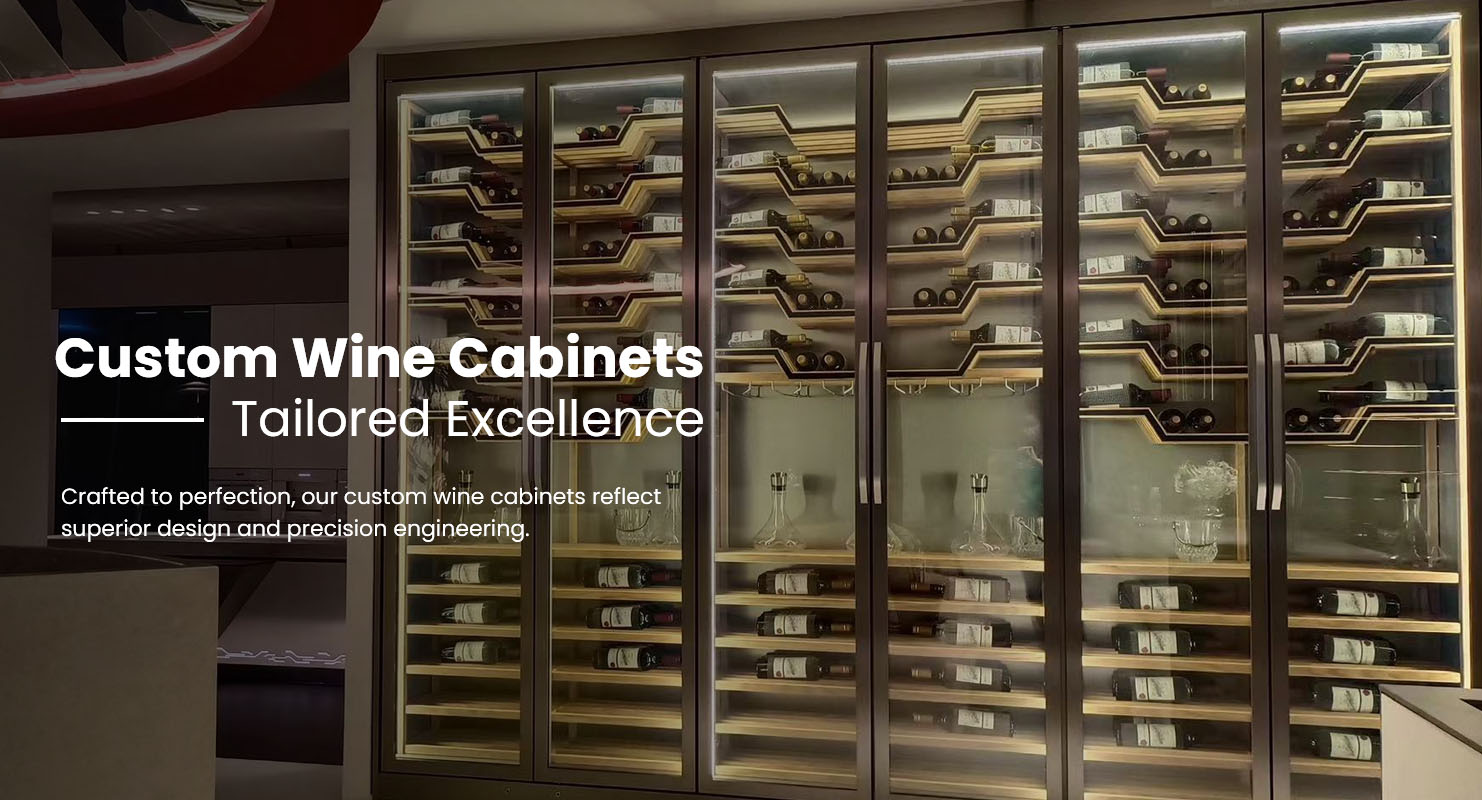
How To Have A Wine Cellar In Your House?
A wine cellar can be created in a house by converting an existing space or building a dedicated room with proper insulation, cooling, and humidity control.
What Are The Options For Having A Wine Cellar In A House?
Having a wine cellar at home does not always require a large underground room. Modern wine storage solutions allow homeowners to create wine cellars in different areas while maintaining professional storage conditions.
Common options include:
Converting a basement into a wine cellar
Transforming a closet into compact wine storage
Using a spare room for a dedicated wine cellar
Installing a built-in Wine Cooler area
Creating a customized wine room
From a wine cooler manufacturer’s perspective, the most important factor is not the size of the space but whether the environment can maintain stable temperature and humidity.
Where Can A Wine Cellar Be Built In A House?
The best location depends on available space, home structure, and wine storage goals.
Common locations include:
| Location | Advantages |
|---|---|
| Basement | Naturally stable environment |
| Kitchen | Convenient daily access |
| Dining Room | Suitable for display-focused designs |
| Closet | Space-saving solution |
| Spare Room | Flexible customization |
Basements are traditionally preferred because underground areas usually experience fewer temperature changes. However, other spaces can also become functional wine cellars with proper insulation and cooling systems.
Can A Small House Have A Wine Cellar?
Yes. A small house can have a wine cellar by using efficient design methods.
Small-space solutions include:
Under-stair wine storage
Compact built-in wine coolers
Small dedicated wine rooms
The key is maximizing available space while maintaining proper storage conditions.
A small wine cellar should focus on efficient rack layout, correct cooling capacity, and easy bottle access rather than simply increasing storage quantity.
What Temperature And Humidity Does A Home Wine Cellar Need?
A home wine cellar requires stable environmental conditions to protect wine quality.
Recommended conditions include:
| Storage Factor | Recommended Condition |
|---|---|
| Temperature | 10°C–15°C |
| Ideal Temperature | Around 12°C |
| Humidity | 50%–70% |
| Lighting | Low heat and low UV |
| Airflow | Balanced circulation |
Stable temperature is more important than rapid cooling. Frequent temperature fluctuations may affect wine aging and storage performance.
Humidity control is also important because corks require a balanced environment. Excess moisture may damage labels, while dry conditions may affect cork performance.
How Should A Space Be Prepared For A Home Wine Cellar?
Before creating a wine cellar, the selected area should be properly prepared.
Important preparation steps include:
Install Insulation
Insulation reduces heat transfer and helps the cooling system maintain stable conditions.
Add Vapor Protection
A vapor barrier prevents moisture from entering walls and reduces condensation risks.
Improve Door Sealing
An insulated door prevents cooled air from escaping and improves energy efficiency.
Plan Electrical Requirements
Power supply for cooling equipment and lighting should be considered during preparation.
Does A House Wine Cellar Need A Cooling System?
Yes. A dedicated wine cooling system is usually required for long-term wine storage.
Normal household conditions change throughout the year, making it difficult to maintain the stable environment wine requires.
A professional cooling system helps control:
Temperature stability
Humidity balance
Air circulation
Long-term storage conditions
What Type Of Wine Cooler Is Suitable For A Home Wine Cellar?
The suitable wine cooling solution depends on the size and design of the cellar.
Common options include:
| Wine Cooling Solution | Suitable Application |
|---|---|
| Built-In Wine Cooler | Kitchen and furniture integration |
| Freestanding Wine Cooler | Flexible home installation |
| Through-The-Wall System | Small wine rooms |
| Split Cooling System | Larger home cellars |
Selection should consider:
Storage capacity
Installation space
Noise requirements
Cooling performance
Future expansion needs
Can A wine refrigerator Replace A Wine Cellar?
A wine refrigerator and a wine cellar serve different purposes.
| Feature | Wine Refrigerator | Wine Cellar |
|---|---|---|
| Storage Capacity | Limited | Larger customization |
| Installation | Ready-to-use appliance | Requires space planning |
| Design Flexibility | Fixed size | Custom layout |
| Application | Small collections | Long-term storage |
A wine refrigerator is suitable for compact storage, while a dedicated wine cellar provides more flexibility for larger collections.
How Should Wine Racks Be Designed At Home?
Wine rack design affects storage capacity, appearance, and usability.
Important considerations include:
Match Storage Capacity
The rack size should fit both current collections and future growth.
Keep Bottles Horizontally Stored
Horizontal storage helps maintain cork contact with wine.
Maintain Airflow Space
Rack placement should allow cooling air to circulate properly.
Create Organized Sections
Different wines can be grouped by type, region, or aging requirements.
How Can A Home Wine Cellar Look Better?
A home wine cellar can combine practical storage with interior design.
Popular design features include:
Glass doors
LED lighting
Custom wine displays
Premium rack materials
Modern finishes
However, decorative elements should not affect temperature stability or cooling performance.
What Are Common Mistakes When Creating A Wine Cellar At Home?
Many home wine cellar projects fail because important technical requirements are ignored.
Using An Unprepared Room
Normal rooms often lack insulation and moisture protection.
Choosing Cooling Equipment Without Calculation
The cooling system should match the actual room conditions.
Ignoring Future Storage Needs
Wine collections often grow, so expansion capacity should be considered.
Poor Airflow Planning
Incorrect rack placement may reduce cooling efficiency.
How Much Does A Home Wine Cellar Cost?
The cost depends on the space, equipment, and customization level.
Main cost factors include:
| Category | Influencing Factors |
|---|---|
| Construction | Insulation and moisture protection |
| Cooling System | Capacity and technology |
| Wine Racks | Materials and design |
| Door System | Sealing performance |
| Interior Design | Lighting and finishes |
A compact home wine cellar can be created with limited modifications, while a customized wine room requires more detailed planning.
Why Choose A Professional Wine Cooler Manufacturer For Home Wine Cellar Projects?
A professional wine cooler manufacturer provides technical solutions that match different home applications.
Professional evaluation includes:
Cooling requirements
Installation environment
Energy efficiency
Noise control
Long-term reliability
Experienced manufacturers help create wine storage solutions that balance performance, appearance, and practical use.
What Is The Process To Have A Wine Cellar In A House?
A complete process includes:
Select the suitable location.
Determine bottle storage requirements.
Prepare insulation and moisture protection.
Choose the appropriate wine cooling solution.
Install wine racks and lighting.
Test temperature and humidity stability.
Organize wine storage.
A successful home wine cellar combines proper planning, reliable cooling technology, and efficient storage design to create a professional wine preservation environment.