

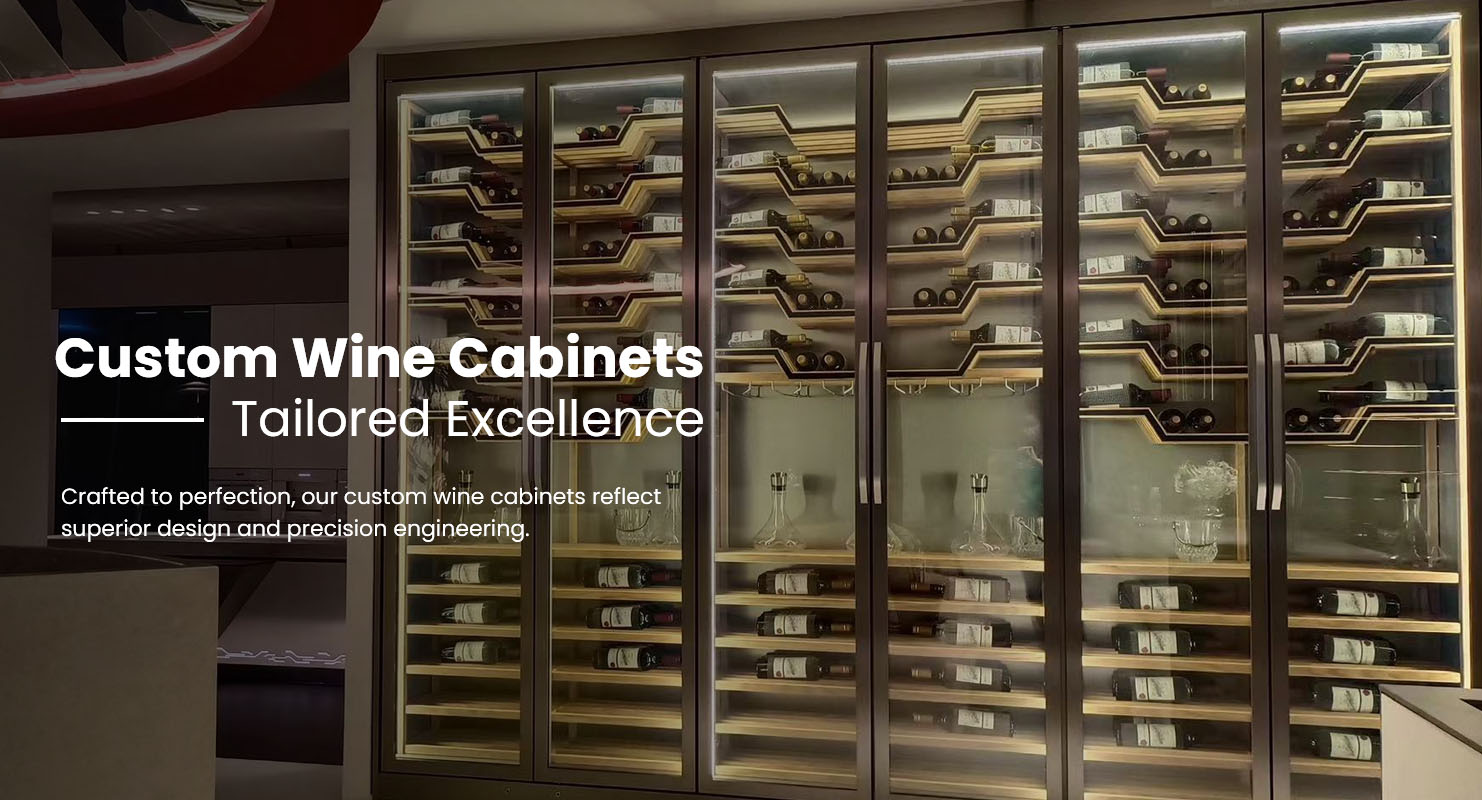
Built-in Wine Refrigerator vs Freestanding Wine Refrigerator: Which One Should Manufacturers Recommend?
Manufacturers should recommend built-in wine refrigerators for integrated kitchen projects and freestanding wine refrigerators for flexible installation and wider application scenarios.
What Is The Difference Between Built-in And Freestanding Wine Refrigerators?
Built-in wine refrigerators and freestanding wine refrigerators are designed to meet different installation and market requirements. The main difference is whether the appliance is integrated into furniture structures or operates independently.
A built-in wine refrigerator is designed for cabinet installation, under-counter applications, and customized interior projects. A freestanding wine refrigerator is designed for independent placement and can be installed in different environments.
The main differences include:
| Feature | Built-in Wine Refrigerator | Freestanding Wine Refrigerator |
|---|---|---|
| Installation | Integrated into cabinets | Independent placement |
| Design Style | Customized appearance | Flexible application |
| Installation Planning | Higher requirements | Simpler setup |
| Relocation | Difficult | Easy |
| Target Applications | Premium kitchens, hotels, luxury homes | Homes, offices, commercial spaces |
From a Wine Cooler manufacturer’s perspective, the right recommendation depends on the application environment, customer requirements, and long-term usage purpose.
When Should Manufacturers Recommend Built-in Wine Refrigerators?
Built-in wine refrigerators are suitable when customers require a premium integrated solution.
Manufacturers often recommend built-in models for:
Modern Kitchen Projects
Built-in wine refrigerators can match kitchen cabinets, islands, and countertops, creating a clean and professional appearance.
Luxury Residential Applications
High-end homes often prioritize customized interiors where appliances need to blend with the overall design.
Hospitality Projects
Hotels, restaurants, and premium apartments may prefer integrated wine storage solutions to maintain consistent interior styles.
Space-Limited Environments
Under-counter designs help maximize available space without adding separate appliances.
When Should Manufacturers Recommend Freestanding Wine Refrigerators?
Freestanding wine refrigerators are suitable when flexibility and easy installation are priorities.
Common applications include:
Residential Wine Storage
Home users can place freestanding units in kitchens, dining rooms, living rooms, or home bars.
Flexible Interior Projects
Freestanding models are suitable when furniture layouts may change in the future.
Commercial Display Areas
Restaurants, wine shops, and entertainment spaces can easily adjust placement according to operational needs.
Additional Wine Storage
Freestanding units can be added to existing spaces without major renovation.
Which Wine Refrigerator Provides Better Market Flexibility?
From a manufacturing perspective, freestanding wine refrigerators generally provide broader application flexibility.
Comparison:
| Market Factor | Built-in Wine Refrigerator | Freestanding Wine Refrigerator |
|---|---|---|
| Customer Range | More specific projects | Wider applications |
| Installation Requirements | Higher | Lower |
| Customization Potential | Strong | Moderate |
| Placement Flexibility | Limited | Excellent |
| Project Integration | Excellent | Good |
Freestanding models often serve a wider range of customers because they can fit different environments with fewer restrictions.
Which Wine Refrigerator Offers Better Design Value?
Built-in wine refrigerators usually provide stronger design value because they become part of the interior structure.
Advantages include:
Seamless cabinet integration
Premium appearance
Better visual consistency
Customized project compatibility
For brands targeting luxury kitchens and high-end residential markets, built-in solutions often create stronger product positioning.
Which Wine Refrigerator Is Easier To Install?
Freestanding wine refrigerators are generally easier to install because they require fewer preparation steps.
Freestanding installation usually requires:
Suitable placement area
Electrical connection
Proper ventilation clearance
Built-in installation requires:
Cabinet measurements
Ventilation planning
Installation space preparation
Coordination with furniture design
Manufacturers should consider installation complexity when recommending products for different markets.
Do Built-in And Freestanding Wine Refrigerators Have Different Cooling Performance?
Cooling performance depends mainly on technology, insulation, compressor quality, and temperature control systems rather than installation style.
Both designs can provide reliable wine storage when properly engineered.
Important performance factors include:
Temperature stability
Humidity management
Energy efficiency
Noise control
Air circulation
Recommended wine storage conditions include:
| Storage Factor | Recommended Condition |
|---|---|
| Temperature | 10°C–15°C |
| Ideal Temperature | Around 12°C |
| Humidity | 50%–70% |
| Light Exposure | Low UV |
| Temperature Fluctuation | Minimal |
A professional manufacturer focuses on matching product performance with application requirements.
Which Wine Refrigerator Is Better For OEM And ODM Projects?
Both built-in and freestanding wine refrigerators have OEM and ODM opportunities, but the customization focus is different.
Built-in projects often require:
Custom dimensions
Cabinet integration solutions
Appearance customization
Installation compatibility
Freestanding projects often require:
Capacity variations
Exterior design options
Market-specific features
Flexible configurations
Manufacturers should develop product lines based on customer application needs rather than promoting only one design type.
What Factors Should Manufacturers Consider Before Recommending A Wine Refrigerator?
A professional recommendation should consider:
Application Environment
Kitchen, hotel, restaurant, and home applications have different requirements.
Installation Conditions
Available space and construction conditions determine suitable product types.
Customer Usage
Storage capacity, frequency of use, and design expectations affect selection.
Market Positioning
Premium markets may prefer integrated designs, while general markets often need flexible solutions.
Maintenance Requirements
Installation accessibility and long-term service should be considered.
What Are Common Mistakes When Selecting Wine Refrigerators?
Several selection mistakes may affect customer satisfaction.
Recommending Products Without Understanding Applications
Different environments require different solutions.
Ignoring Installation Requirements
Built-in models require accurate planning before installation.
Focusing Only On Appearance
Design should be balanced with cooling performance and reliability.
Overlooking Future Expansion
Customers may need additional storage capacity as collections grow.
How Does A Professional wine cooler manufacturer Develop Different Solutions?
A professional wine cooler manufacturer develops products based on different application scenarios.
Manufacturing capabilities include:
Built-in wine refrigerator development
Freestanding wine refrigerator production
Capacity customization
Cooling system optimization
OEM and ODM cooperation
Understanding different market applications helps manufacturers provide more suitable wine storage solutions.
Which One Should Manufacturers Recommend?
The recommendation depends on the customer’s application requirements.
Recommend built-in wine refrigerators when:
The project requires integrated design
Space optimization is important
Premium appearance is a priority
Cabinet installation is planned
Recommend freestanding wine refrigerators when:
Flexible placement is needed
Installation simplicity is important
Multiple application scenarios are expected
Future relocation may occur
A professional manufacturer should provide both solutions because different customers require different wine storage approaches.