
How To Build A Wine Cellar At Home
Building a wine cellar at home is not only about creating a beautiful display space. A professional home wine cellar needs to provide a stable environment where temperature, humidity, lighting, and vibration are carefully controlled to protect wine quality over time.
Whether the goal is storing a personal collection, upgrading a luxury residence, or creating a dedicated wine space for hospitality applications, proper planning is essential. WINTON specializes in Wine Cooler and custom wine cabinet manufacturing, providing temperature-controlled storage solutions and customized wine storage systems for different home and commercial applications. (WENTENG)
Plan The Right Location For Your Home Wine Cellar
The location determines the difficulty and performance of a home wine cellar.
Common options include:
| Location | Advantages |
|---|---|
| Basement | Naturally stable temperature environment |
| Dedicated room | Better capacity planning |
| Kitchen or bar area | Convenient daily access |
| Under stairs | Suitable for compact storage |
Before construction, consider:
Available space
Moisture conditions
Electrical requirements
Ventilation
Future collection growth
A good wine cellar design should not only fit current bottles but also allow expansion as the collection grows.
Maintain Stable Temperature And Humidity
Temperature control is the most important part of wine preservation.
Professional wine storage recommendations generally maintain wine around 12°C to 14°C for long-term aging. Humidity is commonly controlled between 50% and 70% to help protect corks and bottle labels.
Key environmental factors include:
| Factor | Importance |
|---|---|
| Temperature stability | Prevents aging problems |
| Humidity control | Protects cork condition |
| UV protection | Reduces light damage |
| Air circulation | Maintains even conditions |
| Low vibration | Protects wine quality |
A home wine cellar without proper climate control may experience seasonal temperature changes that affect wine storage performance.
Choose Between A Traditional Cellar And Wine Cabinet
Modern homeowners have two common options:
Traditional Wine Room
A dedicated room provides larger storage capacity and more design flexibility.
Suitable for:
Large collections
Luxury residences
Private clubs
Hospitality projects
Custom Wine Cabinet
A wine cabinet provides professional storage conditions with easier installation.
Suitable for:
Apartments
Modern kitchens
Living spaces
Smaller collections
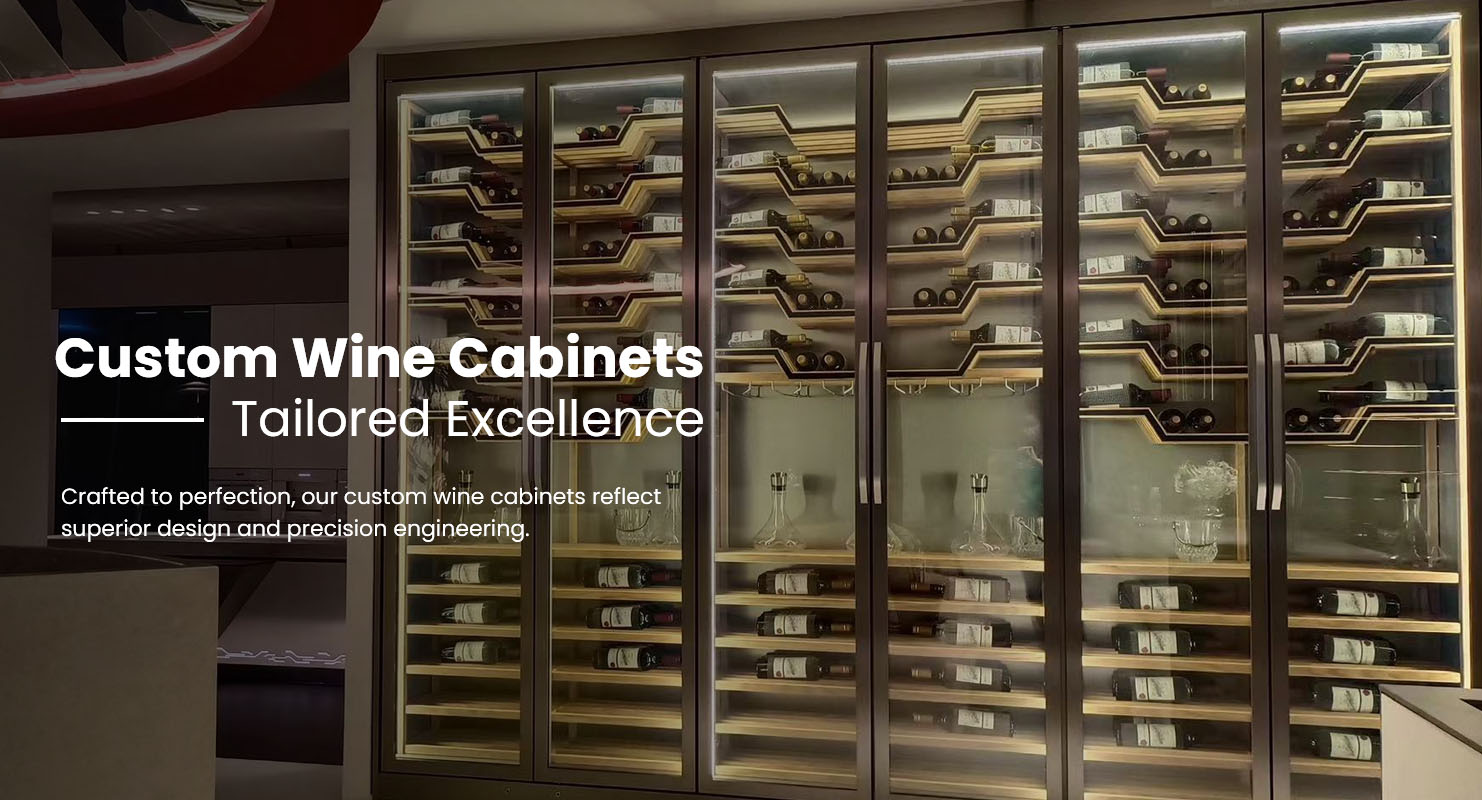
WINTON provides custom wine cabinets designed with temperature and humidity control systems, flexible layouts, and premium materials for residential and commercial wine storage. (WENTENG)
Design Proper Insulation And Structure
Insulation is essential because external temperature changes can affect internal storage conditions.
Important areas include:
Walls
Ceiling
Doors
Glass panels
Floor structure
A professional home wine cellar should consider:
| Component | Function |
|---|---|
| Insulated walls | Reduce heat transfer |
| Sealed doors | Maintain internal conditions |
| Double-layer glass | Improve insulation |
| Cooling system | Maintain stable temperature |
WINTON applies insulation engineering principles through integrated foaming insulation, cabinet sealing structures, and cooling system integration to improve temperature stability. (WENTENG)
Organize Wine Bottles Efficiently
A well-designed wine cellar should make bottles easy to manage.
Recommended organization methods:
Separate By Wine Type
Create different areas for:
Red wine
White wine
Sparkling wine
Rosé wine
Separate By Storage Period
Organize:
Ready-to-drink bottles
Short-term storage
Long-term aging collections
Create Inventory Management Areas
| Area | Purpose |
|---|---|
| Front shelves | Frequent access |
| Lower shelves | Long-term storage |
| Display sections | Premium presentation |
| Reserve areas | Special collections |
Most wine bottles should be stored horizontally to help maintain cork conditions during long-term storage.
Select Durable Materials For Wine Storage
A home wine cellar requires materials that provide both appearance and durability.
Common materials include:
| Material | Application |
|---|---|
| Stainless steel | Cabinet structure |
| Tempered glass | Display doors |
| Wood | Interior decoration |
| Insulation foam | Thermal protection |
Material selection affects:
Product lifespan
Energy efficiency
Appearance quality
Storage stability
WINTON uses configurations including stainless steel structures, double-layer glass doors, quality compressors, and insulated cabinet designs to support reliable wine preservation. (WENTENG)
Manufacturing Process Behind Professional Wine Cellars
A reliable wine storage solution depends on precise manufacturing control.
The production process includes:
Product design
Structural engineering
Material preparation
Sheet metal processing
Cabinet forming
Insulation foaming
Cooling system installation
Electrical assembly
Temperature testing
Final inspection
Important quality checkpoints include:
| Quality Control | Purpose |
|---|---|
| Material inspection | Confirm durability |
| Structure testing | Ensure accuracy |
| Cooling testing | Verify temperature performance |
| Electrical testing | Improve safety |
| Appearance inspection | Maintain quality |
WINTON’s manufacturing capabilities include shearing, bending, grooving, foaming, welding, and testing processes to control wine cabinet production quality. (WENTENG)
OEM And ODM Home Wine Cellar Solutions
Different homes require different designs, dimensions, and storage capacities.
A professional OEM and ODM process includes:
Project Requirement Analysis
Manufacturers evaluate:
Available installation space
Bottle capacity
Temperature requirements
Cabinet style
Material preference
Interior design
Prototype Development
Testing focuses on:
Cooling performance
Temperature consistency
Product appearance
Structural reliability
Bulk Production
Production management focuses on:
Component consistency
Manufacturing accuracy
Quality inspection
Packaging protection
WINTON provides customized wine storage solutions, including custom wine cabinets, bespoke cabinets, and built-in wine cooler solutions. (WENTENG)
Manufacturer vs Trader: Why Production Capability Matters
For home wine cellar projects, working with a manufacturer provides stronger control over design and quality.
A manufacturer can provide:
Custom product development
Material selection
Engineering support
Production control
Quality inspection
A trader mainly supplies existing products, while a manufacturer can adjust cabinet structures, cooling systems, and specifications according to project requirements.
WINTON focuses on research, development, production, and sales of wine cabinets and Cigar Cabinets, providing professional wine storage solutions. (WENTENG)
Bulk Supply And Project Sourcing Checklist
For luxury residences, hotels, restaurants, and commercial wine projects, preparation before bulk orders is important.
Confirm:
| Requirement | Purpose |
|---|---|
| Storage capacity | Match collection size |
| Temperature range | Protect wine quality |
| Cabinet dimensions | Fit installation space |
| Voltage requirements | Meet regional standards |
| Packaging method | Reduce transport risks |
| Delivery schedule | Support project progress |
A practical sourcing checklist includes:
Wine storage purpose
Installation environment
Bottle capacity
Cooling requirements
Cabinet materials
Surface finish
Quality standards
Export requirements