

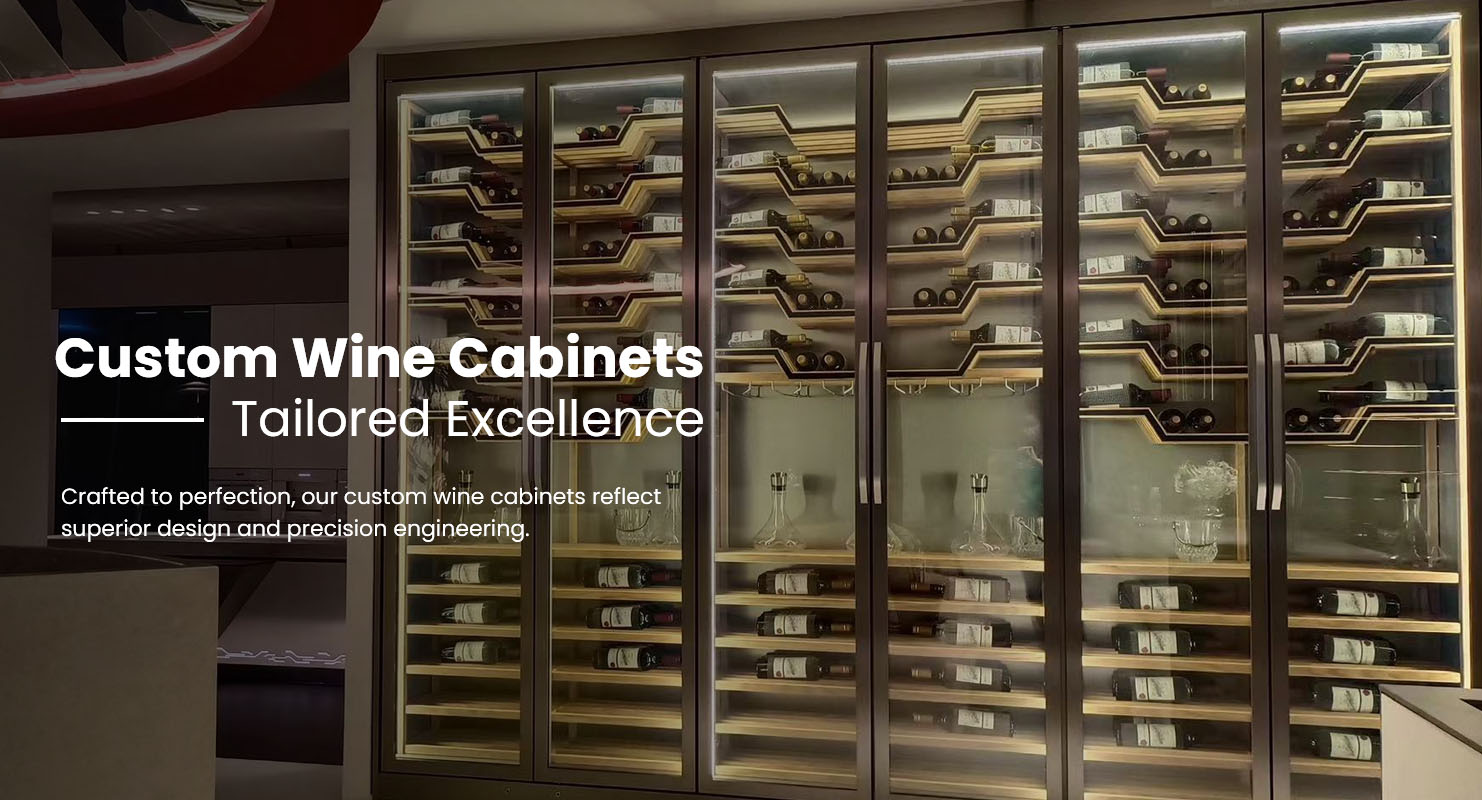
Climate control is the foundation of a professional wine cellar. A wine cellar is not simply a cold storage room; it is a carefully managed environment where temperature, humidity, airflow, lighting, and vibration must work together to protect wine quality over long periods.
-
2026-09-04
-
2026-09-02Building your own underground wine cellar is an ideal way to create a naturally stable wine storage environment while maximizing unused underground space. Traditional wine caves have used underground conditions for centuries because soil and rock provide natural insulation against outdoor temperature changes.
-
2026-09-01Building a wine cellar in a basement is one of the most practical ways to create a professional wine storage environment at home. Basements naturally provide advantages such as reduced sunlight exposure and more stable temperatures compared with above-ground rooms
-
2026-08-31Building a simple wine cellar is an effective way to create a dedicated storage space without complicated construction. Whether the goal is storing a personal collection or creating a premium display area, a successful wine cellar requires proper planning, stable temperature control, suitable materials, and efficient storage design.
-
2026-08-28Building a homemade wine cellar is an effective way to create dedicated wine storage while making better use of unused space in a home. However, a successful homemade wine cellar requires more than installing wine racks.
-
2026-08-27A glass wine cellar combines wine preservation with modern interior design, creating a visually attractive storage space for homes, hotels, restaurants, and luxury projects. However, building a glass wine cellar requires more than installing transparent walls
-
2026-08-26Building a cave for a wine cellar is one of the oldest wine storage concepts, using underground spaces to naturally reduce temperature fluctuations. However, transforming a cave into a professional wine cellar requires more than relying on natural conditions.
-
2026-08-25Building a wine cellar under your stairs is an excellent way to maximize unused space while creating a professional wine storage area inside a home or commercial environment. The space beneath stairs is often ignored, but with proper design, insulation, and temperature control, it can become an elegant and practical wine cellar solution.
-
2026-08-21Building a wine cellar under staircase is a smart way to transform unused home space into a functional wine storage area. The triangular area beneath stairs is often overlooked, but with proper planning, insulation, and temperature control, it can become an efficient wine preservation solution.
-
2026-08-20Building a wine cellar on a budget does not mean sacrificing wine storage quality. The key is choosing the right space, controlling the essential environmental factors, and selecting a practical storage solution instead of investing in unnecessary features.
-
2026-08-19Building a wine cellar in your backyard can transform an outdoor space into a dedicated wine storage area while adding value to residential and hospitality environments. However, a successful backyard wine cellar requires more than creating a storage room.
-
2026-08-18Building a wine cellar in a house requires more than adding wine racks to an empty room. A successful home wine cellar needs a controlled environment where temperature, humidity, lighting, insulation, and storage design work together to protect wine quality.